EN
EN


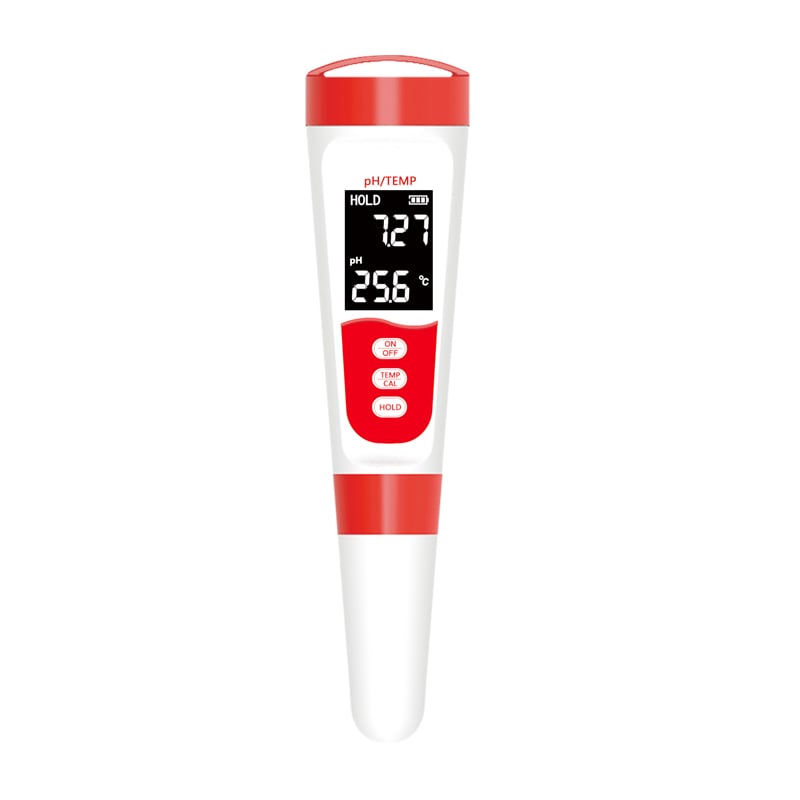
Selecting the right pH meter for food processing is fundamental to maintaining product quality, ensuring regulatory compliance, and protecting consumer safety. A pH meter measures the acidity or alkalinity of food products during manufacturing, storage, and quality control stages. Whether you're producing beverages, dairy products, sauces, or canned goods, the pH meter you choose directly impacts your ability to monitor critical parameters that affect shelf life, flavor stability, and microbial safety. Understanding what features matter most in a pH meter can significantly streamline your selection process and prevent costly operational mistakes.
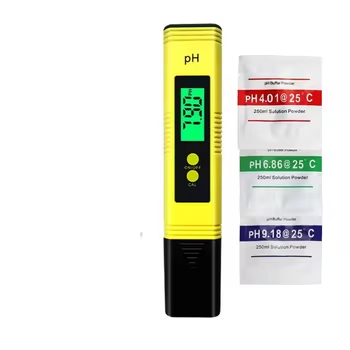
Food processing environments present unique challenges for pH measurement equipment. Your production line may expose instruments to temperature fluctuations, moisture, chemical residues, and frequent cleaning cycles. A pH meter designed for laboratory use alone may not withstand these industrial demands. Before making a purchase decision, you should evaluate how specific pH meter specifications align with your processing workflow, production volume, and quality assurance protocols.
Accuracy and Calibration Capabilities
Precision Requirements for Food Safety
Accuracy stands as the first critical criterion when evaluating any pH meter for food processing applications. Most regulatory standards, including FDA guidelines and international food safety protocols, require pH measurements within 0.1 to 0.2 pH units of the true value. A pH meter with accuracy specifications of ±0.01 to ±0.05 units provides the precision necessary for most food processing operations. This level of accuracy ensures that your product meets safety thresholds, particularly in low-acid foods where pH control prevents botulism and other pathogens. Without adequate accuracy, your pH meter may give false readings that compromise batch integrity or create liability risks.
Multi-Point Calibration and Buffer Solutions
The best pH meter for food processing supports multi-point calibration using standard buffer solutions. A quality pH meter typically offers two-point or three-point calibration options, allowing you to establish baseline accuracy across different pH ranges. This feature is essential because pH meters experience drift over time due to electrode aging, chemical exposure, and temperature changes. A pH meter with automatic buffer recognition and easy calibration procedures minimizes downtime and ensures consistent measurements throughout your production schedule. Look for a pH meter that comes with calibration solutions and clear calibration prompts to maintain measurement reliability across multiple production batches.
Electrode Design and Response Time
Glass Electrode Quality and Durability
The electrode is the sensing core of any pH meter, and its quality directly determines measurement reliability and lifespan. A high-quality pH meter uses a glass electrode with a robust reference junction designed to withstand food processing environments. Look for a pH meter with electrodes rated for temperature ranges matching your processing conditions, typically between 0°C and 60°C for most food applications. Some advanced pH meter models feature gel-filled electrodes that resist clogging and degradation better than liquid-filled alternatives, particularly in production settings with high particulate matter. The electrode material and construction quality you select for your pH meter will influence replacement frequency and overall cost of ownership.
Response Time and Measurement Speed
Response time defines how quickly a pH meter generates a stable reading after sample contact. In food processing lines operating at high throughput, a pH meter with fast response time, typically under 30 seconds for 90% accuracy, enables rapid quality checks without slowing production. Some modern pH meter designs incorporate advanced electronics that stabilize readings faster than traditional models, reducing operator wait time and improving workflow efficiency. When evaluating a pH meter's response time, consider both the speed and stability of the final reading—a pH meter that responds quickly but produces erratic numbers is less useful than one requiring slightly longer stabilization with consistent accuracy.
Durability and Environmental Resistance
Waterproofing and Chemical Resistance
Food processing facilities demand robust equipment that handles constant cleaning, sanitization, and exposure to water, oils, and acidic substances. A reliable pH meter must feature strong waterproofing, ideally rated IP65 or higher, protecting internal circuits from moisture infiltration. The housing material of your pH meter should resist corrosion from alkaline cleaners, acidic food residues, and sanitizing chemicals commonly used in food plants. A pH meter with stainless steel casing or similar corrosion-resistant materials maintains structural integrity and measurement accuracy over extended service periods. Additionally, look for a pH meter with sealed connectors and protected displays that prevent water and debris from compromising electronic components.
Temperature Compensation and Range
pH readings naturally shift with temperature fluctuations, which presents a significant challenge in dynamic food processing environments. An advanced pH meter incorporates automatic temperature compensation (ATC) that adjusts measurements to account for temperature effects, ensuring accuracy even when samples vary widely in temperature. Select a pH meter with temperature compensation spanning at least 0°C to 50°C to cover most food processing scenarios. If your operations involve heated products or ambient temperature variations, verify that your chosen pH meter includes both automatic compensation and manual adjustment capabilities. Temperature compensation in a pH meter prevents the false pH readings that could result from thermal effects alone, maintaining the integrity of your quality control decisions.
Practical Features and User Interface
Display Clarity and Data Logging
A pH meter used in fast-paced production environments needs a large, clear display that operators can read from a distance without removing protective gear. Look for a pH meter with a digital display showing readings to at least 0.01 pH unit precision, with backlighting for visibility in varying light conditions. Many modern pH meter models include data logging capability, storing multiple measurements with timestamps for traceability and regulatory documentation. This feature in a pH meter is invaluable for demonstrating compliance during food safety audits and identifying trends in product consistency over time. Select a pH meter with memory capacity sufficient for your batch sizes and quality check frequencies.
Portability and Maintenance Accessibility
Consider whether your food processing workflow requires a benchtop pH meter for fixed-location quality stations or a portable model for multiple testing points throughout the facility. A portable pH meter offers flexibility for rapid troubleshooting and on-site measurements, while benchtop units typically provide superior stability for high-volume testing. Regardless of type, your pH meter should feature removable electrodes for easy cleaning and replacement without expensive service calls. Access to replacement parts and maintenance accessories ensures your pH meter remains operational without extended downtime. Verify that the manufacturer supplies electrode cartridges, calibration buffers, and cleaning solutions readily, as these consumables directly affect your total cost of ownership for the pH meter.
FAQ
How often should I calibrate my pH meter in food processing?
Most food processing operations calibrate their pH meter daily at the start of production or before critical batches requiring precise pH control. Some facilities with high-speed lines or regulatory requirements calibrate their pH meter twice daily or between major production runs. The specific calibration frequency depends on your production volume, the electrode condition, and your facility's quality standards. Check your pH meter's documentation and your facility's standard operating procedures for the recommended calibration schedule.
What pH range is most important for food processing applications?
Most food processing applications require pH meter accuracy in the 2.0 to 8.0 range, covering beverages, dairy, sauces, and preserved foods. However, some specialty products like vinegar or certain fermented foods operate at pH extremes, requiring a pH meter capable of measuring beyond this standard range. Verify that your chosen pH meter covers the specific pH ranges relevant to your product line before purchase.
Can I use a laboratory pH meter in my food processing facility?
While a laboratory pH meter can provide accurate measurements, it may not withstand the rigorous conditions of food processing environments. Industrial-grade pH meter models are specifically designed for durability, chemical resistance, and rapid calibration cycles that laboratory instruments may not support. Investing in a pH meter rated for industrial food processing protects your equipment investment and ensures consistent performance under demanding operational conditions.