EN
EN


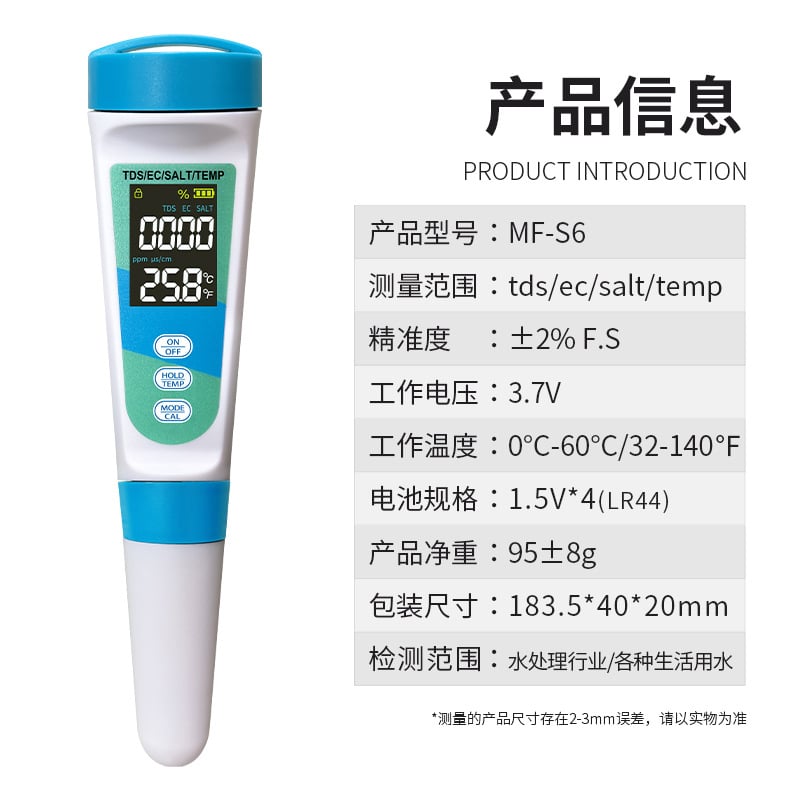
A reliable pH tester is essential for anyone managing hydroponic or aquaculture systems, as water pH directly affects nutrient availability, plant growth, and fish health. The right pH tester ensures accurate readings that help maintain optimal water conditions and prevent costly system failures. Understanding what makes a pH tester suitable for these specialized environments requires knowledge of sensor technology, accuracy requirements, durability standards, and practical usability in field conditions.
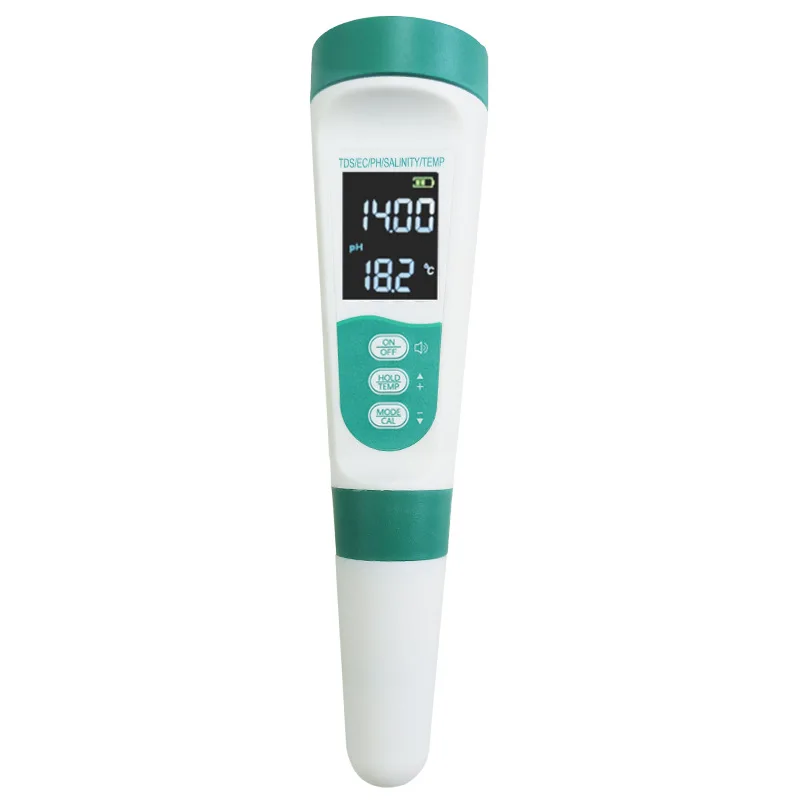
Whether you operate a commercial hydroponic farm, small home aquaponic system, or professional aquaculture facility, selecting the appropriate pH tester determines the precision of your water quality monitoring. A quality pH tester combines responsive sensor technology with user-friendly design, offering fast response times and consistent calibration stability. This guide explores the critical factors that distinguish a suitable pH tester from inferior alternatives in hydroponic and aquaculture applications.
Sensor Accuracy and Response Time in pH Testers
Understanding pH Sensor Technology
The core function of any pH tester is converting chemical pH levels into readable digital or analog displays. A high-quality pH tester uses glass electrode sensors that generate electrical signals proportional to hydrogen ion concentration. The pH tester's sensor accuracy depends on electrode material, reference cell design, and signal conditioning circuits. In hydroponic and aquaculture environments where pH fluctuations can cause rapid nutrient lockout or fish stress, sensor responsiveness becomes critically important for real-time monitoring.
A suitable pH tester for hydroponics demonstrates response times under two minutes for full accuracy, while aquaculture pH testers often need even faster readings due to dynamic water chemistry changes. Premium pH tester models incorporate advanced electrode designs that reduce measurement drift and extend sensor life in challenging water conditions. The pH tester you select should maintain accuracy across your target pH range, typically 4.0 to 9.0 for most hydroponic crops and 6.5 to 8.5 for aquaculture systems.
Calibration Stability and Maintenance
Calibration stability distinguishes a reliable pH tester from unreliable instruments. A professional-grade pH tester uses multi-point calibration (typically two or three-point), allowing adjustment across your normal operating range rather than relying on single-point calibration. This approach ensures a pH tester maintains accuracy even when water conditions drift over weeks or months of continuous use. Hydroponic and aquaculture operators must recalibrate their pH tester regularly, ideally weekly or based on manufacturer recommendations.
A suitable pH tester for these environments should feature quick calibration procedures, often completed in under five minutes using standard buffer solutions. Quality pH tester designs include protective electrode caps and drying cases that extend sensor longevity. The pH tester should also compensate for temperature variations automatically, since water temperature changes affect pH readings by approximately 0.03 pH units per degree Celsius.
Durability and Environmental Resistance
Protection Against Harsh Water Conditions
Hydroponic and aquaculture systems expose a pH tester to constantly wet environments, nutrient-rich solutions, and varying temperatures that demand superior durability. A suitable pH tester for these applications features waterproof construction rated IP67 or higher, protecting internal circuits from moisture damage during submersion or splash exposure. The pH tester's housing should resist corrosion from dissolved salts, fertilizer residues, and biological materials common in aquaculture water. Stainless steel or reinforced plastic bodies protect the pH tester while maintaining temperature stability during field use.
The electrode material in your pH tester must withstand exposure to high salinity waters without degradation. In aquaculture systems with elevated salt content, a standard pH tester may develop measurement errors or sensor failure within weeks. An appropriate pH tester for these conditions uses special salt-resistant electrodes and reference cells designed to operate reliably in saline solutions. Testing the pH tester's performance in your specific water chemistry before full implementation prevents costly errors during critical growth or breeding phases.
Temperature Range and Thermal Stability
Environmental temperature variations significantly impact pH tester performance and accuracy. A quality pH tester designed for hydroponics and aquaculture must operate reliably across 0 to 50 degrees Celsius, covering cold greenhouse mornings to hot summer conditions. The pH tester should include automatic temperature compensation (ATC) that adjusts readings based on real-time temperature sensing, ensuring consistent accuracy regardless of water temperature fluctuations. This feature is essential since aquaculture ponds and hydroponic reservoirs experience daily temperature cycles that would otherwise compromise your pH tester's readings.
Thermal stability in a pH tester prevents drift caused by temperature cycling. Premium pH tester models incorporate reference electrodes with minimal temperature sensitivity, reducing measurement variance across daily temperature ranges. Your pH tester should display both pH and temperature readings simultaneously, enabling you to identify whether changes reflect genuine pH shifts or thermal effects. This dual-parameter monitoring distinguishes a professional-grade pH tester from consumer-level instruments that only display pH values.
Practical Usability and Additional Features
Display Type and Data Logging Capabilities
A suitable pH tester for hydroponics and aquaculture balances technical capability with practical usability. Digital LCD displays on quality pH tester models provide clear readings visible in varying light conditions, while data logging features allow tracking pH trends over weeks or months. Some advanced pH tester designs store hundreds of measurements with timestamps, revealing patterns that help optimize nutrient and feeding schedules. A pH tester with Bluetooth connectivity enables remote monitoring across larger facilities, alerting operators to dangerous pH drifts before crop or livestock damage occurs.
The ideal pH tester for professional use includes hold function to freeze readings while extracting the probe from water, and recall function to review previous measurements. A well-designed pH tester interface requires minimal button programming, reducing errors during stressful system emergencies. Backlit displays ensure a pH tester remains readable during low-light conditions typical in greenhouses or nighttime aquaculture monitoring. These practical features directly influence whether your pH tester becomes a reliable daily tool or an instrument relegated to occasional verification checks.
Portability and Multi-Parameter Integration
Operational efficiency improves when a single pH tester integrates additional water quality parameters beyond pH measurement. Multi-parameter pH tester models simultaneously measure dissolved oxygen, electrical conductivity (EC), total dissolved solids (TDS), and temperature, eliminating need for separate instruments. A portable pH tester with combined functionality accelerates daily water quality checks, enabling operators to address multiple parameters during routine rounds. This efficiency becomes critical in commercial operations managing multiple tanks or growing zones where comprehensive testing must occur quickly.
A suitable pH tester for hydroponic and aquaculture work fits comfortably in hand, weighs under 200 grams, and connects to a protective carrying case. Ergonomic design ensures your pH tester can be gripped securely in wet hands without slipping, preventing accidents and sensor damage. Rechargeable battery options reduce operating costs compared to disposable battery-dependent pH tester models, making long-term system monitoring more economical. The best pH tester combines professional accuracy with field-practical design that supports daily use across diverse environmental conditions.
FAQ
What pH range should a pH tester measure for hydroponics?
A suitable pH tester for hydroponic systems should accurately measure pH between 4.5 and 8.0, with most crops thriving in the 5.5 to 6.5 range. Your pH tester must provide precise readings throughout this range because even 0.5 pH unit shifts can affect nutrient availability and plant health significantly. Choose a pH tester specifically calibrated for hydroponic nutrient solutions, as these formulations differ chemically from aqueous standards.
How often should you recalibrate a pH tester in aquaculture?
Professional aquaculture operations recalibrate their pH tester weekly or every 5 to 7 days of continuous use to maintain accuracy and reliability. Your pH tester may require calibration more frequently in high-salinity environments or systems with extreme temperature fluctuations. Always recalibrate your pH tester immediately after changing the electrode or if readings appear inconsistent with manual reference tests.
Can a standard laboratory pH tester work in aquaculture systems?
Standard laboratory pH testers often fail in aquaculture because they lack salt-resistant electrodes and waterproof construction needed for wet marine environments. A suitable pH tester for aquaculture must be specifically designed with salinity tolerance, thermal stability, and submersible durability that laboratory instruments typically lack. Attempting to use general-purpose pH testers in aquaculture settings leads to accelerated sensor degradation and unreliable readings within weeks.