EN
EN


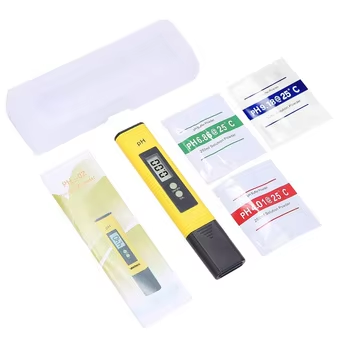
When selecting a pH tester for laboratory, industrial, or environmental applications, response time often receives less attention than accuracy specifications or measurement range. However, response time represents one of the most practical and consequential factors that determine whether your pH tester will deliver reliable results in real-world conditions. A slow pH tester introduces delays that compound measurement uncertainty, increase operational friction, and ultimately compromise the quality of your water testing outcomes. Understanding why response time matters fundamentally changes how you evaluate and deploy pH testing equipment.
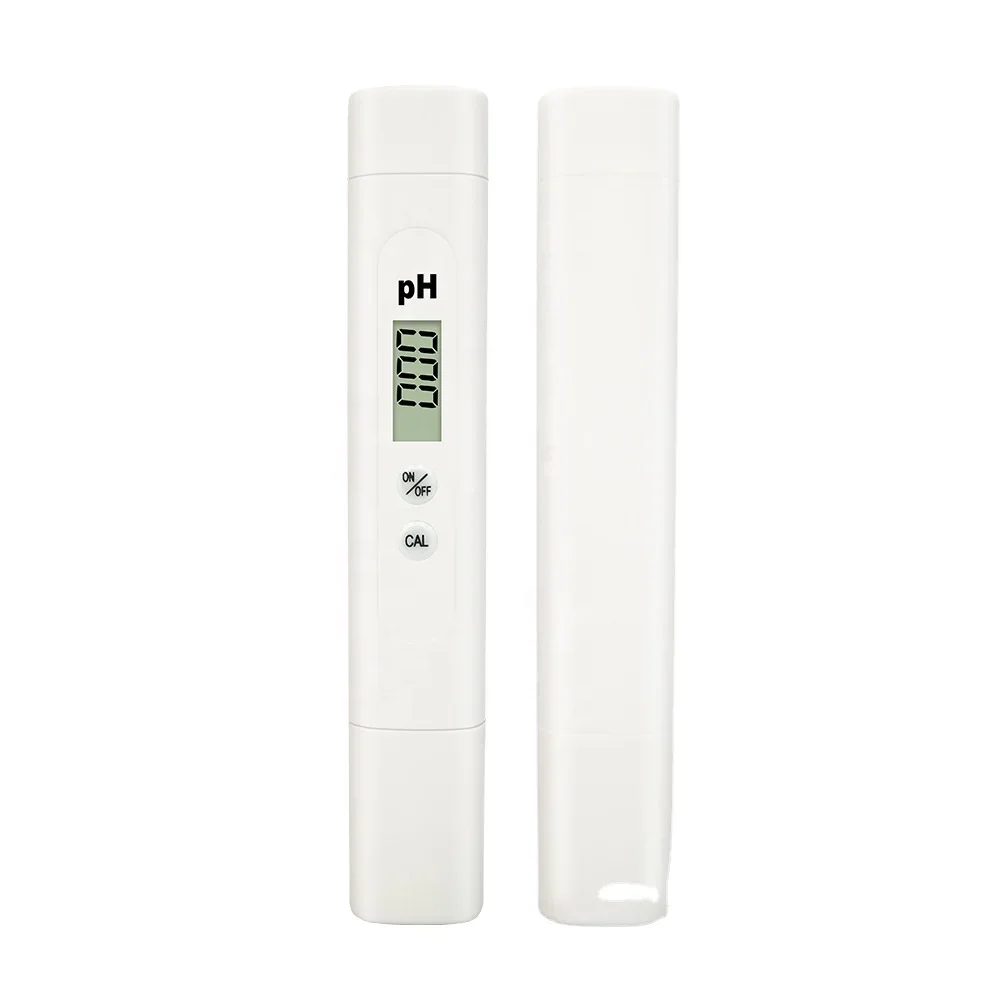
Response time, measured in seconds, indicates how quickly a pH tester reaches a stable reading after the electrode contacts a sample solution. This metric directly influences both the speed and confidence of your testing workflow. A pH tester with fast response time minimizes the window during which measurement drift occurs and reduces the risk of misreading unstable chemical states. For industries like water treatment, food processing, and pharmaceutical manufacturing, where rapid quality control decisions determine production schedules and regulatory compliance, response time becomes a critical operational lever.
The Physics Behind Response Time in pH Measurement
How Electrode Membranes Affect pH Tester Speed
Every pH tester depends on an ion-selective electrode that responds to hydrogen ion concentration through a semi-permeable membrane. When you immerse a pH tester electrode into a new solution, the membrane must equilibrate with the sample's ionic composition. The time required for ions to diffuse through the membrane and establish electrical potential determines your pH tester's response time. Thicker membranes provide durability but respond slowly, while thinner designs accelerate measurement but reduce electrode lifespan. This fundamental trade-off means choosing a pH tester requires balancing speed against practical maintenance costs.
Temperature and Solution Composition Effects
Response time for any pH tester varies significantly based on environmental conditions. Cold solutions dramatically increase response time because ion mobility decreases at lower temperatures. A pH tester that responds in three seconds at 25°C may require eight to ten seconds at 5°C. Similarly, viscous solutions, high ionic strength samples, or solutions containing suspended particles all extend the time your pH tester needs to establish equilibrium. Understanding these variables prevents operators from misinterpreting slow readings as equipment failure and helps teams select a pH tester appropriately matched to their typical operating conditions.
Why Fast Response Time Reduces Testing Errors
Minimizing Drift and Instability in Measurements
Measurement drift represents one of the most insidious sources of error in pH testing. When a pH tester response time exceeds the chemical stability window of your sample, the solution itself may shift toward equilibrium while you wait for the electrode to stabilize. This creates a cascading problem where your pH tester is measuring a moving target rather than the intended sample state. Fast response time from your pH tester captures the authentic solution condition before significant drift occurs, eliminating this systematic error source entirely. Industrial operators consistently report that upgrading to a faster pH tester reduces repeat testing and improves first-pass accuracy by five to fifteen percent.
Real-Time Decision Support in Quality Control
Quality control teams in pharmaceuticals, beverage production, and wastewater treatment require rapid feedback to make real-time process adjustments. A pH tester with slow response time introduces operational delays that cascade through production schedules. If your pH tester requires thirty seconds to stabilize per sample and you test twenty samples per shift, that represents ten minutes of idle waiting time daily. Beyond time waste, slow response becomes psychologically fatiguing for operators, increasing the risk of data entry errors or skipped verification steps. A modern pH tester with response times under five seconds eliminates this friction and enables teams to maintain confidence in rapid testing protocols.
Industry-Specific Response Time Requirements
Water Treatment and Environmental Monitoring
Municipal water treatment plants operate on tight timelines where operators must verify pH levels continuously throughout the treatment train. Each decision to add acid, base, or buffering agents depends on rapid, reliable pH tester feedback. A slow pH tester introduces lag that makes dose correction impossible, leading to overcorrection and wasted chemicals. Environmental monitoring teams testing field samples also benefit from fast pH tester response because samples may degrade or lose volatile components during extended measurement windows. Regulatory bodies increasingly emphasize that professional pH tester selection must account for response time as a quality assurance metric, not merely as a convenience factor.
Laboratory and Research Applications
Research scientists evaluating chemical reactions, titrations, or enzymatic processes require a pH tester capable of capturing accurate measurements during dynamic processes. A slow pH tester cannot track rapid pH shifts that occur during chemical reactions, forcing researchers to work with time-averaged data that obscures kinetic insights. High-performance laboratories now specify pH tester response time under three seconds as standard, recognizing that faster measurements unlock more precise experimental conclusions. Analytical protocols in pharmaceutical research explicitly require pH tester equipment meeting defined response time thresholds to ensure method reproducibility and regulatory acceptance.
FAQ
What is considered a good response time for a pH tester?
A response time of three to five seconds is considered excellent for general-purpose pH tester applications. Laboratory-grade pH tester instruments often achieve response times under two seconds, while basic portable pH tester models may require ten to fifteen seconds. Your specific requirement depends on your application: environmental monitoring might tolerate slower response than pharmaceutical quality control. Consulting your sample conditions and process requirements helps determine whether your pH tester's response time specification meets practical operational needs.
How does response time differ between analog and digital pH testers?
Digital pH tester designs typically respond faster than analog instruments because electronic signal processing stabilizes more quickly than mechanical pointer movement. A modern digital pH tester with microprocessor averaging algorithms can establish reliable readings in three to five seconds, while analog pH tester models may require twice that time. Additionally, digital pH tester displays often include stability indicators that alert operators when measurements are still drifting, whereas analog pH tester users must estimate stability visually. For applications prioritizing speed, selecting a digital pH tester over analog equipment provides measurable advantages in both response time and operator confidence.
Can I improve my existing pH tester's response time?
Response time fundamentally depends on electrode membrane properties and instrument electronics, both of which cannot be retrofitted into older pH tester designs. However, you can optimize practical response time by maintaining your pH tester electrode in excellent condition through proper storage, regular calibration, and prompt replacement of worn membranes. Temperature control also matters significantly, as warming cold samples before pH tester measurement reduces equilibration time substantially. If your current pH tester consistently fails to meet response time needs, upgrading to a newer model designed for fast measurement provides the most reliable solution for improving testing workflows.