EN
EN


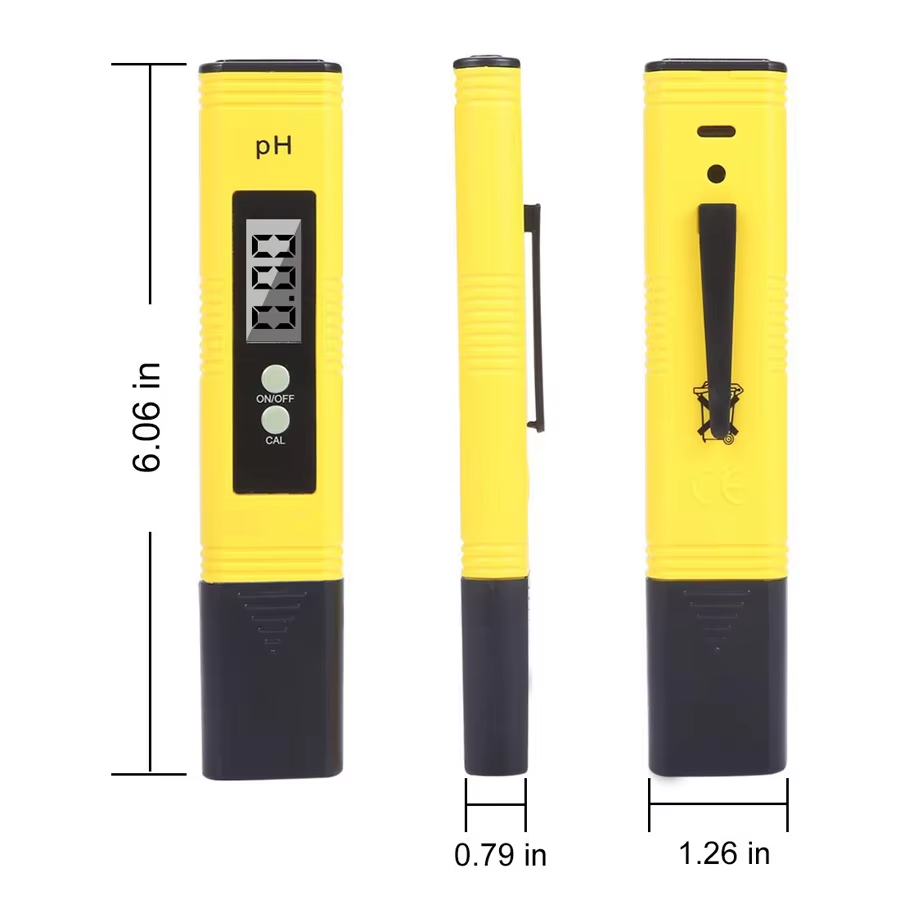
Environmental conditions play a critical role in determining how accurately a pH tester performs in the field. Temperature fluctuations, humidity levels, light exposure, and atmospheric pressure all influence the electrochemical sensors and calibration stability that enable a pH tester to deliver reliable measurements. Understanding these environmental factors is essential for anyone relying on pH testing equipment for water quality analysis, laboratory work, or industrial process control.
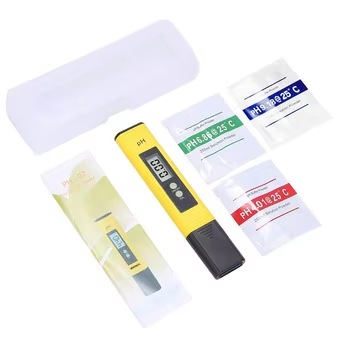
A pH tester operates through a delicate electrochemical mechanism that responds to hydrogen ion concentration in solution. The reference electrode, glass electrode, and internal circuitry of a pH tester are all sensitive to environmental stress. When conditions drift outside optimal ranges, a pH tester may exhibit calibration drift, slow response times, or systematic measurement errors that compromise data integrity and decision-making accuracy.
Temperature Effects on pH Tester Accuracy
How Temperature Influences pH Tester Performance
Temperature is one of the most significant environmental factors affecting pH tester reliability. The electrochemical behavior of the glass membrane in a pH tester changes with temperature because the ionic conductivity and electrode potential shift when thermal energy increases or decreases. Most pH tester specifications include a temperature compensation range, typically 0°C to 50°C, but accuracy degradation accelerates outside this window.
When a pH tester is exposed to rapid temperature swings, the internal reference solution viscosity changes, slowing the ion diffusion within the electrode. This lag directly impacts the response time and calibration stability of a pH tester. In cold environments, a pH tester becomes sluggish and may require extended equilibration periods. In hot environments, a pH tester risks accelerated electrode aging and potential reference solution evaporation, both of which degrade long-term performance.
Practical Temperature Management for pH Tester Use
To maintain optimal pH tester performance, allow the instrument to acclimate to the ambient temperature for at least 15 to 30 minutes before taking critical measurements. Store a pH tester in a climate-controlled environment when not in use, ideally between 15°C and 25°C. If field testing is unavoidable in extreme temperatures, consider using an insulated carrying case to minimize thermal shock to the pH tester electrodes.
Automatic temperature compensation (ATC) built into modern pH tester devices helps mitigate temperature-related errors, but it works best when the thermal environment is stable. Manual pH tester calibration before each use in variable temperature zones adds an extra layer of confidence in results and compensates for any residual temperature drift that ATC alone may not fully address.
Humidity and Moisture Ingress in pH Tester Operation
Humidity's Impact on pH Tester Electronics
High humidity poses a direct threat to the electronic components inside a pH tester. Moisture can condense on circuit boards, corrode connectors, and degrade the insulation properties of internal wiring. When a pH tester is stored or operated in damp environments, moisture ingress can cause intermittent faults, sensor drift, or complete circuit failure over time. This risk is especially pronounced if a pH tester is not properly sealed or if it lacks adequate IP rating for the intended use environment.
The reference electrode inside a pH tester also experiences humidity-related challenges. If the pH tester housing allows condensation to form inside the electrode chamber, the reference solution can become diluted or contaminated. This contamination directly undermines the stability of a pH tester calibration and introduces systematic bias into all subsequent measurements. Protecting a pH tester from high-humidity conditions is as important as temperature control.
Protective Measures Against Moisture for pH Tester Longevity
Always store a pH tester in a dry cabinet or carrying case equipped with desiccant packs. After field use in humid conditions, wipe down the pH tester exterior and allow it to dry completely before sealing. If a pH tester is regularly used in wet environments, select a model with a higher IP rating—ideally IP67 or higher—which provides better sealing against moisture infiltration and temporary submersion.
Calibration solutions used with a pH tester should be kept in sealed containers away from humidity. Exposure of buffer solutions to humid air causes them to absorb moisture, which dilutes the buffer concentration and reduces the accuracy of any pH tester calibration performed with compromised solutions. Replace calibration buffers regularly and inspect the pH tester electrode regularly for signs of moisture damage or crystalline salt deposits.
Light Exposure and Electrode Stability in pH Tester Systems
Why Light Affects pH Tester Sensor Behavior
Direct sunlight and intense artificial light can degrade the glass electrode membrane inside a pH tester over time. UV radiation can break down the silicate structure of the glass, making the pH tester electrode more prone to mechanical fracture and ion exchange irregularities. Prolonged light exposure also accelerates the aging of the reference solution inside a pH tester, changing its ionic composition and destabilizing the electrode potential that anchors all pH tester measurements.
Many users overlook light as an environmental stressor for a pH tester, yet it ranks alongside temperature and humidity as a critical factor in long-term electrode reliability. A pH tester sitting on a bright laboratory bench or in direct sunlight in the field experiences cumulative photochemical degradation that subtly shifts calibration over weeks and months, making the pH tester appear functional while slowly becoming less accurate.
Best Practices for Light Protection of pH Tester Equipment
Store a pH tester in an opaque carrying case or protective pouch when not in use. Most pH tester cases are designed with dark interiors specifically to shield electrodes from light damage. During field measurements, keep a pH tester in shade when possible or use an umbrella or shade cloth if testing in direct sunlight. Avoid leaving a pH tester exposed on laboratory benches under fluorescent or LED lighting for extended periods.
If a pH tester is used in applications requiring frequent light exposure, schedule electrode replacement more frequently than typical maintenance intervals suggest. Visible signs of electrode degradation from light include yellowing of the glass membrane or loss of calibration stability even after fresh calibration. Investing in a pH tester model with protective electrode caps and a fully enclosed carrying solution demonstrates best-practice handling and extends the working life of the equipment significantly.
FAQ
Can environmental conditions cause permanent damage to a pH tester electrode?
Yes, prolonged exposure to extreme temperatures, high humidity, strong light, and contaminated solutions can cause permanent damage to a pH tester electrode. The glass membrane may crack, the reference solution may become unusable, and internal electronics can corrode beyond repair. However, if a pH tester is stored and handled properly between uses and calibrated regularly, electrode lifespan typically ranges from two to five years depending on usage intensity.
How often should I recalibrate a pH tester used in variable environmental conditions?
A pH tester used in unstable environmental conditions should be calibrated before every critical measurement session, at minimum daily. If your pH tester is exposed to rapid temperature swings or high humidity, consider mid-day recalibration as well. Under stable laboratory conditions, weekly calibration is usually sufficient, but always check your pH tester manufacturer's guidance for your specific model and application.
Does a waterproof pH tester eliminate environmental condition concerns?
A waterproof pH tester with high IP ratings reduces moisture risk significantly, but does not eliminate all environmental concerns. Temperature fluctuations, light exposure, and pH tester calibration drift still occur in waterproof models. The key advantage is that a waterproof pH tester can be used reliably in wet environments without electronics failure, but best-practice storage, calibration, and temperature management remain essential for accuracy.