EN
EN


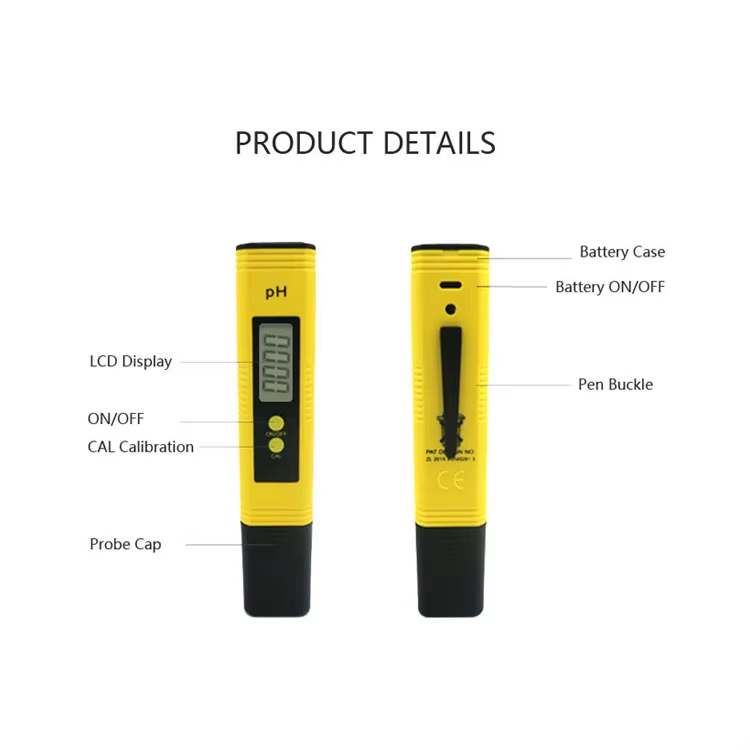
A pH tester is an essential instrument for anyone working with water quality, whether in laboratories, swimming pools, aquariums, or industrial applications. However, owning a pH tester is only half the battle—maintaining it properly determines whether it delivers accurate readings consistently or becomes unreliable over time. Many users invest in quality pH tester equipment but neglect the care routines that keep it functioning at peak performance. This article explores the maintenance routines that ensure your pH tester remains dependable, accurate, and long-lasting.
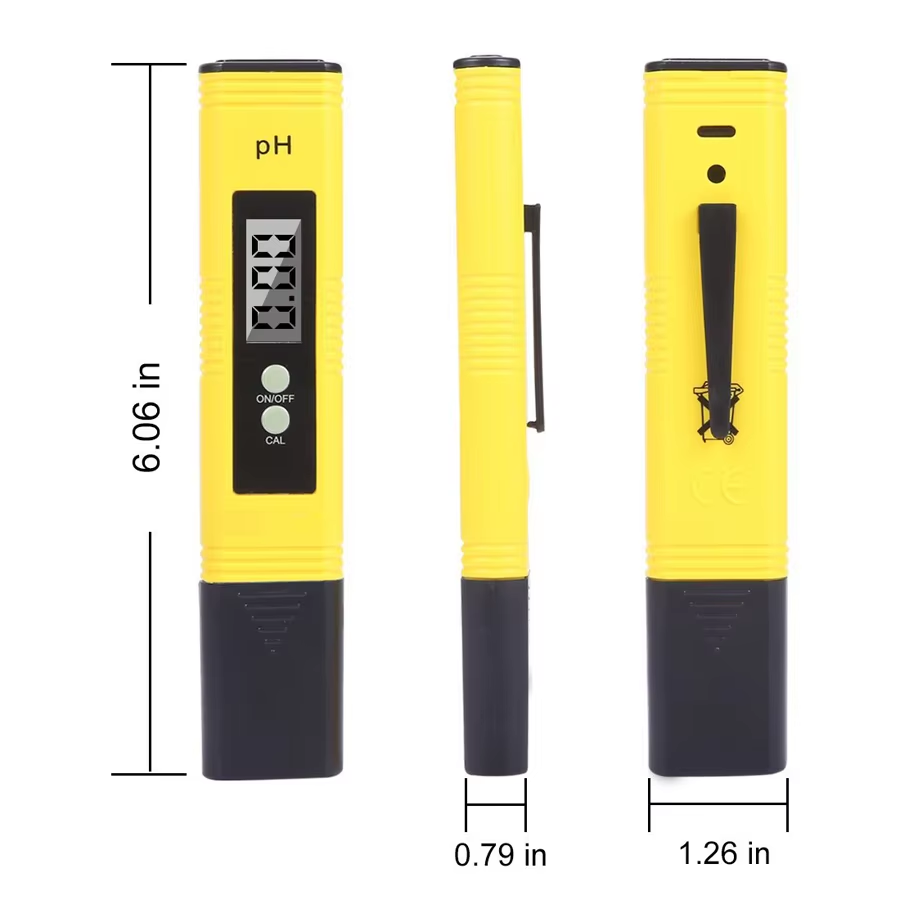
Regular maintenance of a pH tester is not complicated, but it does require commitment and understanding of what your instrument needs. The electrode, the sensing heart of every pH tester, is fragile and sensitive to neglect. Without proper care routines, electrode response times slow, readings drift away from true values, and your pH tester eventually becomes unreliable. The good news is that following structured maintenance practices costs far less than replacing an expensive pH tester prematurely.
Daily Care Routines for Your pH Tester
Proper Storage and Protection
Every pH tester should be stored correctly when not in use. The electrode of your pH tester is never meant to dry out completely—exposure to air for extended periods damages the delicate sensing membrane. Store your pH tester in a protective case or container between uses, and ensure the electrode cap remains securely fastened. If your pH tester includes a storage solution, keep it available. Many manufacturers recommend storing the pH tester in a solution that maintains electrode hydration and readiness for the next measurement. This simple daily habit prevents irreversible electrode degradation.
Rinsing After Each Use
Immediately after using your pH tester to measure a sample, rinse the electrode thoroughly with distilled water. Tap water or sample residue left on the electrode leads to drift and contamination over time. Gently pat the pH tester dry with a soft, lint-free cloth—never wipe aggressively, as this can scratch the sensitive electrode surface. Rinsing is the single most important daily maintenance step for a pH tester. This routine takes less than one minute but prevents buildup that would otherwise require intensive cleaning or electrode replacement.
Weekly and Monthly Maintenance for pH Tester Accuracy
Calibration and Buffer Solution Checks
Calibration is the most critical maintenance routine for a pH tester. Most digital pH tester models require calibration at least weekly, and daily calibration is standard in professional environments. Calibration involves testing your pH tester against known buffer solutions—typically pH 7.0 and either pH 4.0 or 10.0, depending on your expected measurement range. Each time you calibrate your pH tester, you're verifying accuracy and adjusting the instrument to account for electrode drift. Calibration routine ensures your pH tester readings remain trustworthy. Always use fresh, stored buffer solutions; old buffers lose potency and produce unreliable calibration values for your pH tester.
Electrode Inspection and Cleaning
Weekly inspections of your pH tester electrode reveal early signs of fouling, crystals, or discoloration. If the electrode appears dirty or coated, prepare a gentle cleaning routine for your pH tester. Soak the electrode in distilled water for five to ten minutes, then use a soft brush or cotton swab to carefully remove deposits. For stubborn buildup, a dilute hydrochloric acid solution may be necessary, but always follow manufacturer guidance before attempting this. Never use harsh chemicals or abrasive materials on your pH tester electrode. This weekly inspection routine keeps your pH tester performing optimally and catches problems early.
Quarterly and Annual Maintenance for pH Tester Longevity
Electrode Renewal and Replacement Planning
Even with perfect maintenance, the electrode inside your pH tester has a finite lifespan—typically one to two years depending on usage intensity. Quarterly review of your pH tester performance helps you anticipate replacement needs before failure occurs. Watch for symptoms like slower response times, reduced accuracy range, or difficulty achieving stable readings; these signal that your pH tester electrode is nearing end-of-life. Planning replacement well in advance prevents unexpected downtime. Keep spare electrodes on hand if your pH tester is critical to operations. This proactive maintenance routine for your pH tester eliminates the panic of sudden instrument failure.
Complete pH Tester Inspection and Recalibration
Annually, perform a comprehensive inspection of your pH tester. Check the connector pins for corrosion or loose connections; clean gently with a dry cloth if needed. Verify that the pH tester display remains clear and readable. Test the battery or charging system to ensure reliable power. Conduct a full three-point calibration routine on your pH tester using pH 4.0, 7.0, and 10.0 buffers to verify the instrument's accuracy across its full range. Document all results; this record helps you track drift patterns over time and plan for electrode replacement before failure. This annual maintenance routine keeps your pH tester documentation current and performance predictable.
Environmental and Usage Factors Affecting pH Tester Maintenance
Temperature Control and Storage Environment
The environment where you store and use your pH tester directly impacts maintenance needs. Temperature extremes accelerate electrode degradation—store your pH tester in a climate-controlled space between 15 and 25 degrees Celsius when possible. High humidity can corrode connectors and circuitry over time, so avoid damp storage areas for your pH tester. If your pH tester operates in outdoor or industrial environments, invest in weatherproof storage and protective cases. Environmental control is a passive but essential maintenance routine that extends the lifespan of your pH tester significantly.
Usage Pattern and Testing Frequency
A pH tester used heavily for daily sampling requires more intensive maintenance routines than one used occasionally. High-frequency use generates more electrode buildup, faster drift, and accelerated wear. If your pH tester operates under high demand, adopt daily calibration, weekly deep cleaning, and quarterly electrode inspection rather than the minimal routine. Conversely, occasional users can extend maintenance intervals slightly but should never skip calibration checks. Understanding your pH tester usage pattern helps you customize the maintenance schedule that keeps your instrument reliable without over-servicing. This practice-aware approach to pH tester maintenance ensures cost-effective care.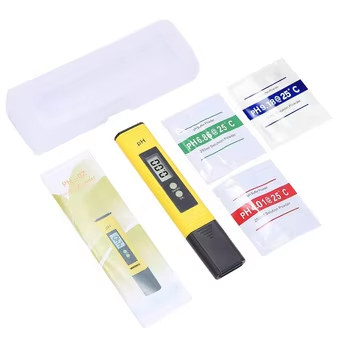
FAQ
How often should I calibrate my pH tester?
Calibration frequency depends on usage and accuracy requirements. Daily calibration is the standard for professional laboratory and industrial applications where precision is critical. For regular water quality monitoring or hobbyist use, weekly calibration of your pH tester is sufficient. After storing your pH tester for extended periods or after measuring extreme pH samples, recalibration before use is advisable. Professional environments often require logged calibration records, so implement a pH tester calibration maintenance routine that matches your industry standards and organizational requirements.
What should I do if my pH tester readings become inconsistent?
Inconsistent readings from your pH tester typically signal electrode problems or calibration drift. First, perform a complete calibration routine using fresh buffer solutions. If readings remain scattered, rinse and inspect the electrode for fouling or deposits—soak it in distilled water or perform a gentle cleaning routine. Check that the pH tester battery has adequate charge. If inconsistency persists after these maintenance steps, the electrode likely requires replacement. Never ignore unstable readings from your pH tester; they indicate the maintenance routine has become inadequate and action is needed to restore reliability.
Can I repair my pH tester myself, or should I send it to a professional?
Most pH tester maintenance routines—calibration, cleaning, storage, and rinsing—are designed for user care and require no special expertise. However, complex repairs like internal circuit damage, display malfunction, or connector soldering should be handled by the manufacturer or certified technicians. Many maintenance issues can be prevented with consistent daily care of your pH tester. If your pH tester fails despite proper maintenance, professional service or electrode replacement is usually more cost-effective than DIY repair attempts. Know the boundaries between user maintenance routines and professional service to keep your pH tester operating reliably.