EN


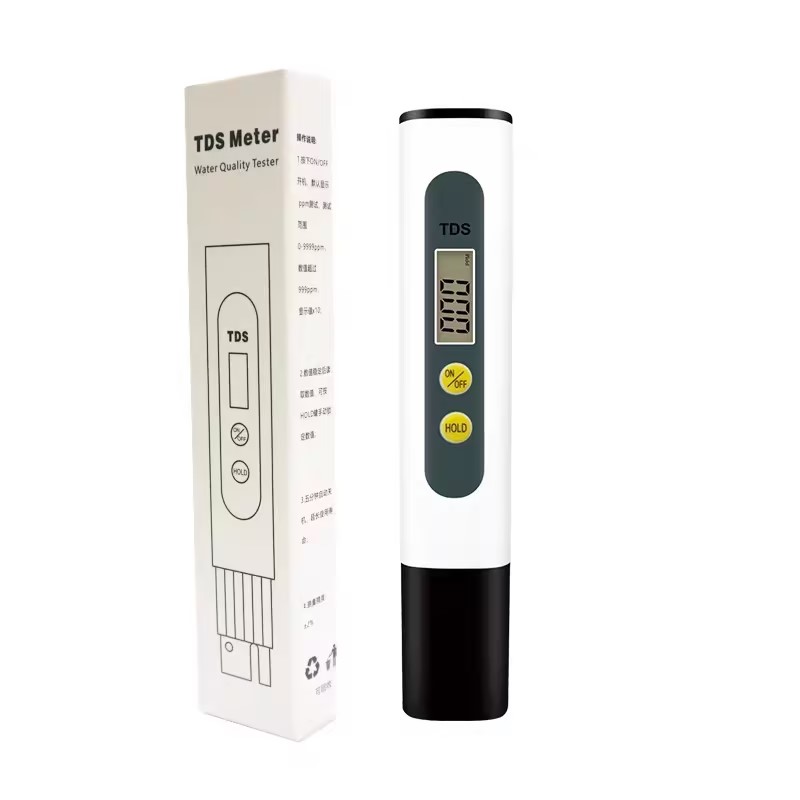
A professional tds meter differs from a consumer version in more than price or appearance. The important distinctions are how reliably the instrument supports repeated measurements, how well it fits a defined testing workflow, and whether its construction suits regular use. A consumer tds meter can be practical for occasional checks, while a professional tds meter is chosen to make routine decisions more consistent.
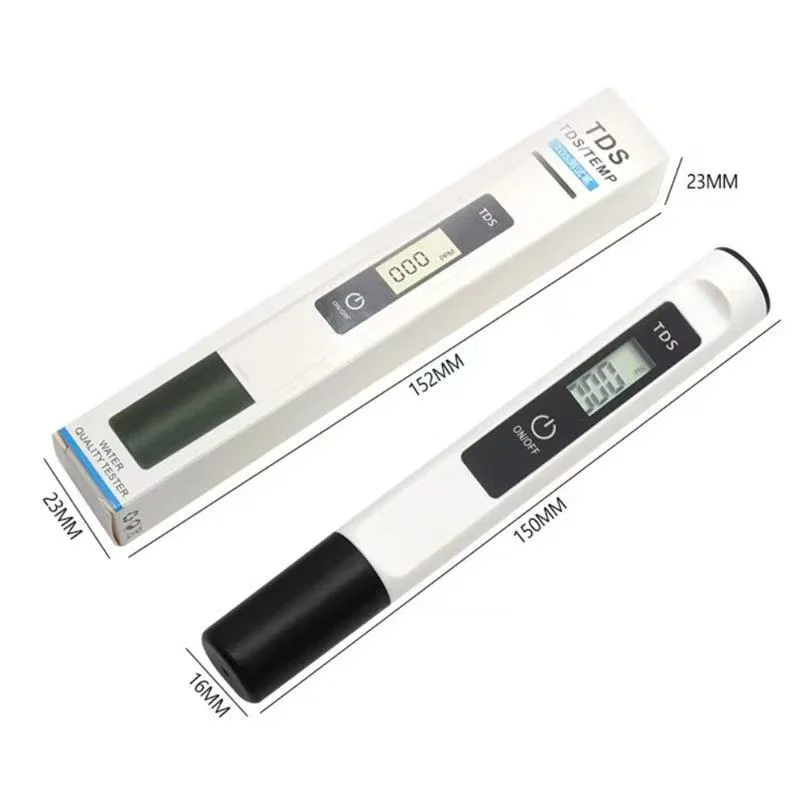
The right distinction depends on the job being done. A tds meter estimates total dissolved solids from electrical conductivity; it does not identify each dissolved substance. Comparing professional and consumer designs therefore means examining measurement control, operating conditions, maintenance, and documentation—not assuming that one category makes every reading accurate. These differences help buyers match an instrument to the consequences of a test.
Measurement performance in routine water checks
Resolution, range, and repeatability
A professional tds meter is generally selected with a specific measurement range in mind. Its display resolution should be useful for the expected samples, rather than simply showing more digits. A consumer tds meter may serve a broad household purpose, but a professional user needs to know whether its scale and resolution suit process checks, aquariums, hydroponics, or other routine applications.
Repeatability matters when staff compare readings across shifts or use results to investigate a change. A professional tds meter should support a consistent method, including stable probe placement and adequate settling time. With a consumer tds meter, readings can still be useful, but users should avoid treating small fluctuations as meaningful until they have repeated the test under the same conditions.
Calibration and temperature effects
Calibration practices separate a controlled measurement process from an informal spot check. A professional tds meter may be used within a documented calibration schedule, with suitable reference solutions and recorded checks. A consumer tds meter can also be calibrated if its design allows, but the operator must confirm the procedure and interval rather than assume factory settings remain suitable indefinitely.
Conductivity changes with temperature, so compensation and sample handling affect interpretation. A professional tds meter should be assessed for its temperature compensation method and operating instructions. A consumer tds meter may automate compensation, yet the result still depends on the sample reaching a stable condition. Comparing readings is meaningful only when the measurement method and temperature context are reasonably consistent.
Construction and workflow for repeated use
Probe design, handling, and maintenance
A professional tds meter is often judged by how easily it can be integrated into repeated sampling. Probe protection, a clear display, manageable controls, and a practical cleaning routine can reduce avoidable variation. A consumer tds meter may be compact and straightforward, which is convenient for occasional use, but frequent handling makes probe care and the availability of clear maintenance guidance more important.
The probe is part of the measurement system, not a disposable detail. Residue, dried deposits, or careless storage can affect readings regardless of instrument category. A professional tds meter should be used with a defined rinse and storage method suited to its instructions. A consumer tds meter also benefits from careful rinsing, gentle handling, and a check for damage before results guide operational decisions.
Documentation and record keeping
In a workplace, a reading may need to be understood after the person who collected it has left the task. A professional tds meter supports a workflow in which operators note the sample point, date, conditions, and result. Even when a consumer tds meter has no data-storage function, a simple record can make trends visible and clarify whether a change is real or procedural.
Documentation is especially useful when measurements inform adjustments to a water treatment, growing, or maintenance process. A professional tds meter is valuable only when users apply it consistently and understand what its reading represents. A consumer tds meter can support the same basic discipline, but teams should define who checks it, how often it is verified, and how unusual readings are confirmed.
Selection criteria for the intended application
Match the instrument to the decision
Start with the decision a reading will influence. If a tds meter is used for occasional screening, a straightforward consumer model may provide an appropriate level of information. If readings are frequent, compared over time, or used to prompt a process response, evaluate whether a professional tds meter better supports the required range, repeatability, verification, and record keeping.
Consider the sample environment as well as the measurement. A tds meter used near tanks or production equipment may need practical protection from splashes and a design that staff can handle with gloves. A consumer tds meter can be suitable where sampling is light and conditions are controlled. For more demanding routines, compare the instrument’s stated operating limits and care requirements with actual site conditions.
Set expectations for what the reading means
Total dissolved solids is an estimated aggregate value, commonly derived from conductivity using a conversion factor. It cannot confirm which ions or contaminants are present, and two samples with different compositions may produce similar readings. A professional tds meter does not remove this limitation. Use it for suitable screening and trend monitoring, then choose a specific laboratory or analytical method when composition must be identified.
Before purchase, check that staff can follow the operating and calibration instructions and that the displayed units match the team’s reporting practice. A professional tds meter should fit the decision process, not just offer additional features. If a consumer tds meter is adequate for the task, a more involved instrument may add maintenance without improving the decision. Select according to use frequency, consequences, and verification needs.
FAQ
Does a professional tds meter identify specific contaminants?
No. A tds meter estimates dissolved solids from conductivity and cannot identify individual substances. A professional tds meter can support consistent screening, but confirm suspected contaminants with an appropriate analytical test. A consumer tds meter has the same basic limitation, even if its display provides a precise-looking number.
Can a consumer tds meter be used in a workplace?
Yes, when its range, operating conditions, and repeatability suit the task. A consumer tds meter may work for occasional checks, while a professional tds meter may be preferable for frequent, documented measurements. In either case, define a consistent method and verify results when a decision has significant operational consequences.
What should buyers compare before choosing?
Compare expected range, resolution, calibration instructions, temperature compensation, probe care, and how results will be recorded. A tds meter should match the sample and decision, not just a desired feature set. Choose a professional tds meter when its workflow and verification support justify it; choose a consumer model when it reliably meets a simpler need.