EN


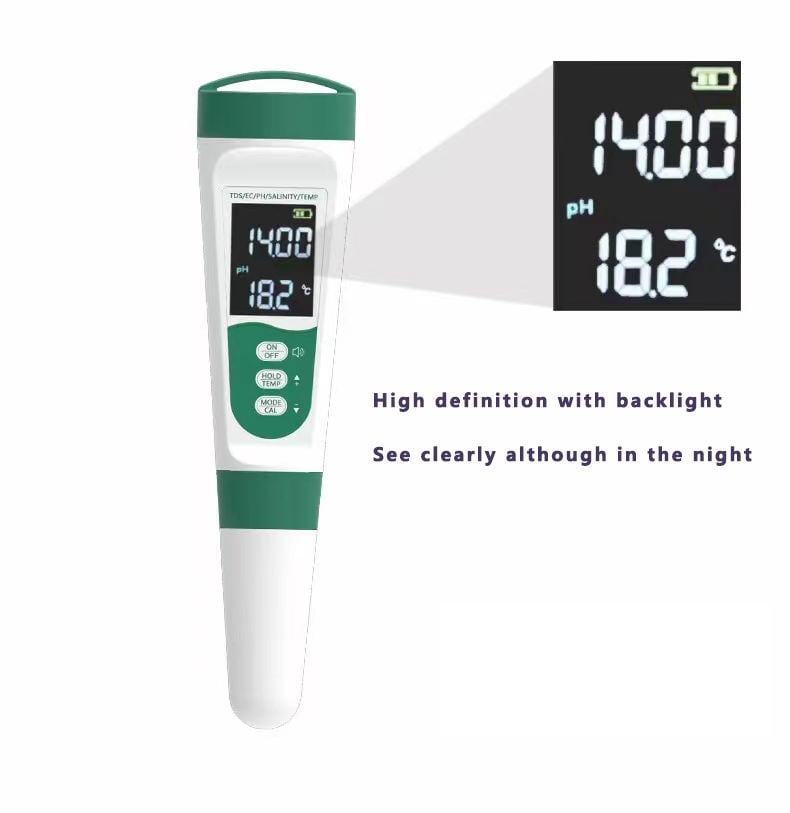
A tds tester is useful for checking whether a reverse osmosis system is reducing dissolved ions, but it does not provide a complete assessment of water safety or membrane condition. Its reliability depends on measurement technique, calibration, water composition, and consistent comparison between feed and product water. For routine RO performance checks, it is a practical screening instrument when its limits are understood.
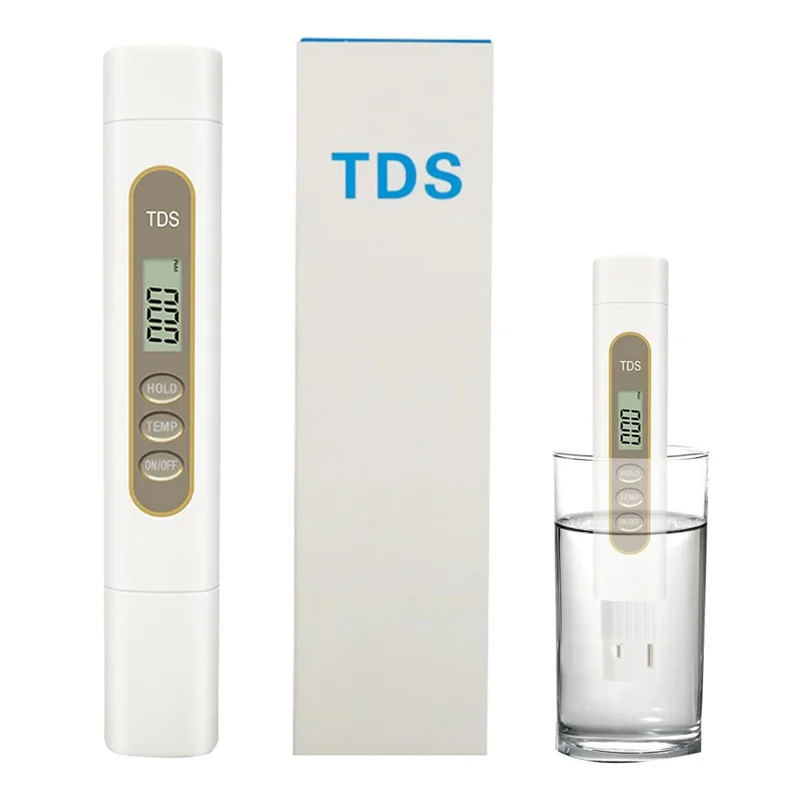
The best way to interpret a tds tester reading is as a trend and a ratio, not as a standalone pass-or-fail verdict. A stable result from a tds tester can support routine operating decisions, while an unexpected change should prompt a repeat measurement and investigation. Knowing what the instrument measures helps distinguish a real RO issue from sampling or measurement variation.
What a TDS Reading Says About RO Performance
Conductivity provides an indirect estimate
A tds tester measures electrical conductivity and converts that value into an estimated concentration of dissolved material. In ordinary water, many dissolved salts conduct electricity, so the estimate is useful for comparing incoming water with RO permeate. However, the conversion is not a direct count of every dissolved substance. A tds tester therefore indicates a change in ionic content, not the identity or health risk of each compound.
For an RO check, measure feed water and product water under comparable conditions, then calculate rejection using the difference relative to the feed reading. A tds tester can make this comparison quick, especially when operators record readings over time. The percentage is meaningful only when both samples are collected correctly and the same instrument setting is used. A low permeate reading alone does not establish a universal quality standard.
Rejection trends are more useful than one number
A single tds tester result gives a snapshot; a sequence of comparable measurements reveals direction. Record feed and permeate values, date, operating conditions, and any maintenance performed. If the permeate value rises while feed conditions remain similar, the tds tester has identified a signal worth checking. If both values rise together, changing source-water composition may explain the shift without proving that the membrane has failed.
Compare readings only after the RO unit has run long enough to stabilize, following the system’s operating guidance. A tds tester used immediately after startup may capture water that sat in the line or tank and does not represent steady operation. For dependable records, take repeat samples in clean containers and note whether the sample came directly from the permeate line or a storage tank. These details make a trend interpretable.
Factors That Affect Measurement Reliability
Calibration, temperature, and sample handling
Calibration affects whether a tds tester gives repeatable, useful estimates. Check the instrument according to its instructions and use an appropriate conductivity standard when calibration is supported. Rinse the probe with clean water between samples, avoid touching its sensing area, and allow excess rinse water to drain. Contamination on a probe or in a sample cup can shift a tds tester result enough to confuse a small performance change.
Temperature can influence conductivity, so automatic compensation and measurement conditions matter. A tds tester with temperature compensation adjusts the reading according to its design, but compensation does not remove every source of error. Let samples reach a consistent temperature where practical, and avoid comparing warm water with cold water as though conditions were identical. Follow the device instructions rather than assuming every tds tester handles temperature in the same way.
Water chemistry and instrument limitations
Different dissolved ions conduct electricity differently, so the conversion factor used by a tds tester can make its estimated concentration differ from a laboratory result. This matters when source water changes, when unusual chemistry is present, or when a precise concentration is required. The instrument is most dependable for routine relative comparisons in a stable process, not for identifying specific contaminants. Treat a tds tester as an operational indicator rather than a chemical analysis method.
Readings near the instrument’s resolution limit may fluctuate, while readings beyond its specified range may be unreliable. Check the measurement range, resolution, and care requirements before relying on any tds tester for a process decision. Battery condition and a damaged or dirty probe can also affect consistency. When results appear implausible, repeat the measurement with fresh samples and inspect the instrument before making adjustments to the RO system.
Using Results to Make Sound RO Decisions
Build a repeatable checking routine
A clear routine improves the value of each tds tester check. Take feed and permeate samples from defined points, use clean cups, and record readings under similar operating conditions. Rinse the probe between samples and wait for the display to stabilize. With those steps, a tds tester can help staff notice gradual changes without turning normal measurement variation into an unnecessary service response.
Set a baseline after installation, membrane replacement, or a confirmed period of normal operation. Record source-water conditions and any relevant changes in pressure, flow, or pretreatment status alongside the readings. When the tds tester shows a sustained shift from that baseline, repeat the check before acting. Reviewing the pattern with operating records gives maintenance teams a stronger basis for deciding whether to inspect the membrane, seals, valves, or upstream treatment.
Know when another test is needed
A tds tester cannot confirm that water is free of pathogens, organic compounds, or specific hazardous substances. It also cannot diagnose every cause of poor RO performance. Use the reading to screen for changes in dissolved ionic content, then choose a suitable confirmatory test when a process specification, regulation, or health question requires more detail. The tds tester is one part of a monitoring plan, not a replacement for required laboratory analysis.
Escalate when repeated readings remain outside the system’s documented operating expectations, when permeate quality changes alongside flow or pressure, or when the water will be used for a regulated process. A tds tester can indicate that investigation is warranted, but the next step depends on the application and the suspected cause. Consult system documentation or qualified technical support before changing operating settings, and verify corrective work with measurements taken using the same method.
FAQ
Can a tds tester confirm that an RO system is working?
A tds tester can show whether dissolved-ion levels are lower after RO treatment and help track changes over time. It cannot confirm every aspect of system function or water safety, so pair readings with operating checks and any application-specific testing.
Why do two tds tester readings sometimes differ?
Differences can come from temperature, sample contamination, probe condition, calibration, or changing water chemistry. Use consistent sampling and repeat measurements with the same tds tester before concluding that the RO system has changed.
How often should a tds tester be used for RO checks?
Choose a schedule based on system criticality, operating guidance, and how quickly source water can vary. Regular baseline comparisons using a tds tester are more informative than occasional measurements taken under inconsistent conditions.