EN


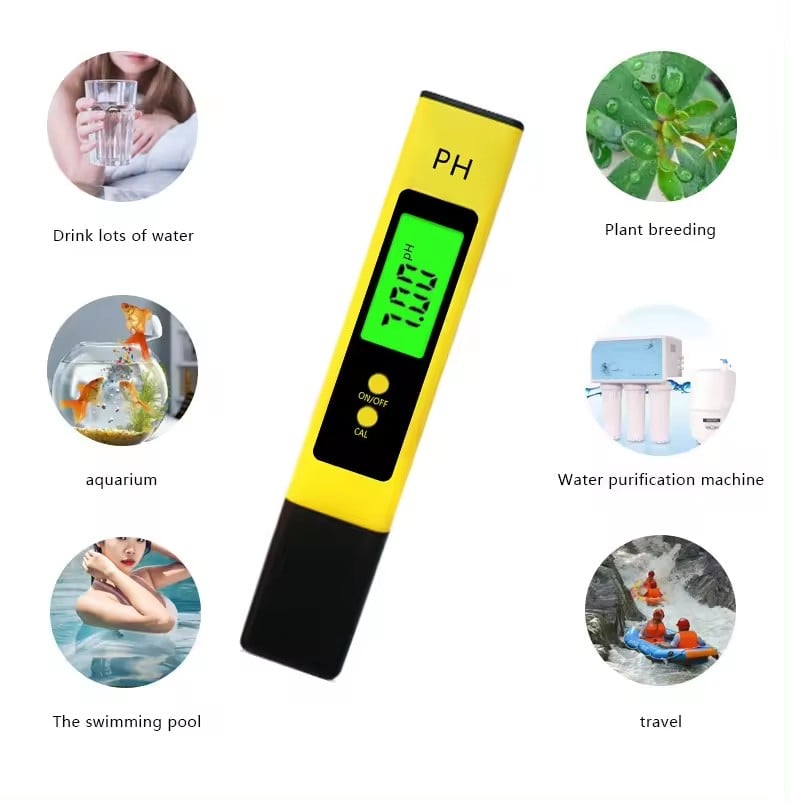
A tds tester is used in many industries to screen water and process streams for changes in total dissolved solids. It gives operators a quick conductivity-based reading, helping them identify conditions that may require investigation. For compliance work, a tds tester is a monitoring aid, not a substitute for every required laboratory method.
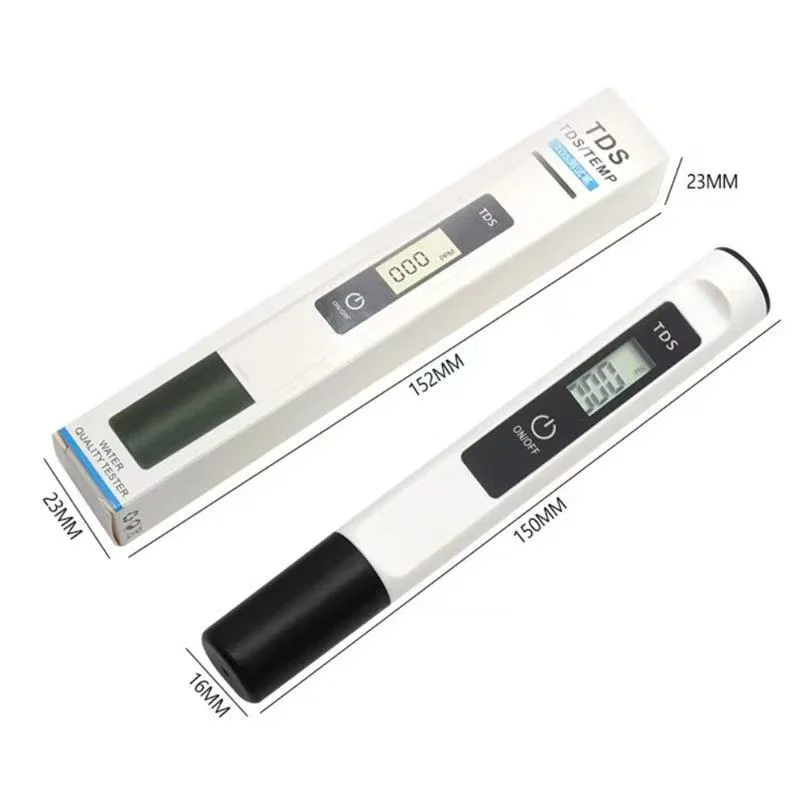
Industries use a tds tester when dissolved mineral content is relevant to operating limits, product quality, or water management. The specific purpose depends on the applicable rules and site procedures. Understanding how a tds tester fits into each sector helps teams select sampling points, respond to readings, and keep compliance records defensible.
Industries monitoring water and effluent
Utilities and wastewater operations
Drinking water utilities may use a tds tester during routine checks of source water, treatment stages, and distribution systems. Readings can flag a change in dissolved ionic content for operators to investigate. A tds tester supports process awareness, while compliance decisions still follow the approved sampling plan and analytical requirements.
Wastewater facilities can use a tds tester to track influent, treated effluent, or reuse water as part of operational monitoring. A rising result may indicate a change in the incoming stream or treatment conditions. The tds tester does not identify individual contaminants, so staff use it alongside suitable tests and documented procedures.
For both sectors, consistent technique is essential. Teams should use a calibrated or verified tds tester, collect samples from defined locations, and record date, time, operator, and result. When readings approach an internal trigger or depart from a normal pattern, the tds tester helps prompt follow-up rather than serving as proof of a specific cause.
Food and beverage production
Food and beverage plants monitor water used as an ingredient, for cleaning, and in utilities such as boilers. A tds tester can provide a fast check for changes that may affect process consistency. In a compliance program, the tds tester contributes supporting information, while microbiological or chemical hazards require their own validated methods.
Breweries, bottlers, and processors may establish site-specific ranges for water used at key stages. A tds tester helps operators notice a departure and hold a process for review when procedures call for it. It is not a universal acceptance test: a tds tester reading must be interpreted against the product specification and relevant regulation.
Sampling controls matter as much as the instrument. Staff should use clean containers where sampling requires them, rinse the probe as directed, and avoid transferring residue between samples. A tds tester used consistently can strengthen trend records, but a questionable result should be repeated or confirmed under the facility's quality system.
Industries controlling process and product water
Pharmaceutical and laboratory environments
Pharmaceutical production and laboratories require controlled water systems suited to the intended process. A tds tester may help monitor changes in a utility stream or provide a preliminary check between formal tests. It cannot establish that water meets a pharmacopeial specification, so the tds tester remains subordinate to validated methods and documented release criteria.
In these settings, instrument status, traceability, and response rules are central. A tds tester should be identified in the site procedure, with its use and verification frequency defined. If its result conflicts with a required laboratory measurement, staff must follow the approved escalation path rather than allowing the tds tester to replace the specified analysis.
Laboratories may also use a tds tester for general-purpose water checks, equipment care, or troubleshooting, provided those uses are clearly distinguished from regulated release testing. Recording the sample point and method lets reviewers understand what a tds tester result means. Context prevents a screening number from being mistaken for a complete compliance finding.
Boilers, cooling systems, and manufacturing
Manufacturing sites monitor dissolved solids in boiler feedwater, cooling circuits, and rinse systems because changing concentrations can affect operations. A tds tester offers a quick indicator for routine checks. Operators may compare readings with internal limits, and use the tds tester to decide when further sampling or maintenance review is warranted.
Cooling tower programs often manage cycles of concentration and discharge under site rules or permit conditions. A tds tester can help track routine changes, but it does not measure every parameter required for safe operation or environmental reporting. Teams should use the tds tester within a broader plan that specifies other tests, limits, and corrective actions.
In rinse and cleaning operations, a tds tester may help evaluate whether a final rinse has returned near a defined baseline. This can support process control when the facility has validated the approach. A tds tester reading alone does not demonstrate that a surface is sanitary or that residues of concern are absent.
Applying readings responsibly in compliance programs
A screening tool within a documented method
The appropriate role for a tds tester depends on the regulation, permit, customer specification, and site quality plan. Some programs use a reading as an operational check; others require laboratory results for formal reporting. Before using a tds tester as evidence, confirm that the governing procedure accepts the measurement for that purpose.
A sound procedure defines sampling locations, frequency, temperature handling, probe care, verification, and response thresholds. It also explains when a tds tester result requires confirmation by a more specific method. These controls make readings comparable over time and help prevent informal checks from being presented as official compliance results.
Because dissolved solids are inferred from electrical conductivity and a conversion factor, readings are not a direct inventory of every dissolved substance. Different ionic mixtures can produce similar results. A tds tester is therefore useful for trends and screening, but identification and quantification of particular substances call for appropriate analytical techniques.
Choosing practical uses and maintaining records
When deciding where to deploy a tds tester, identify the decision it will inform. It may support a routine process check, detect an unexpected shift, or trigger confirmatory sampling. If no action follows a reading, the monitoring point may have limited value. Clear purpose makes the tds tester more useful to operators and auditors.
Teams should document instrument identification, verification results, sample details, readings, and actions taken. A tds tester with a suitable measurement range and clear operating instructions can fit into a practical monitoring workflow. Procurement should consider the site's water conditions and procedure, rather than assuming one instrument suits every application.
When a result is unusual, first check sample handling, probe condition, and the measurement procedure. Repeat the reading if the method allows, then compare it with historical data and required laboratory findings. The tds tester can help identify a need for investigation, while a documented review establishes whether the change affects compliance or operations.
FAQ
Which industries commonly use a tds tester?
Utilities, wastewater facilities, food and beverage plants, pharmaceutical operations, laboratories, and manufacturers may use a tds tester for water screening or process monitoring. The tds tester has a different role in each setting, so the applicable procedure determines whether readings are operational checks or supporting compliance evidence.
Can a tds tester prove that water meets regulations?
Not by itself in every case. A tds tester measures a conductivity-based estimate of dissolved solids and cannot identify individual substances. Whether its result is accepted depends on the governing requirement; a tds tester often supports monitoring while prescribed laboratory methods establish formal compliance.
How should a facility respond to an unusual reading?
Follow the site's written response procedure: verify the instrument and sample method, repeat the measurement where appropriate, and arrange confirmatory testing if required. Record findings and actions. A tds tester can flag a change, but the tds tester result should be interpreted with other evidence before decisions are made.