EN


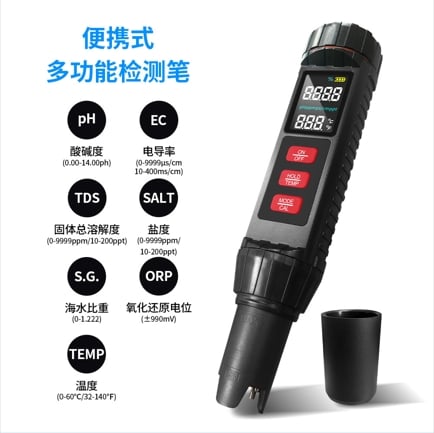
Electrode material matters in a tds tester because the electrodes form the sensing interface with the water. Their surface and chemical stability can influence conductivity measurement, repeatability, cleaning, and service life. Understanding that relationship helps buyers choose a tds tester suited to the water conditions and testing routine they actually face.
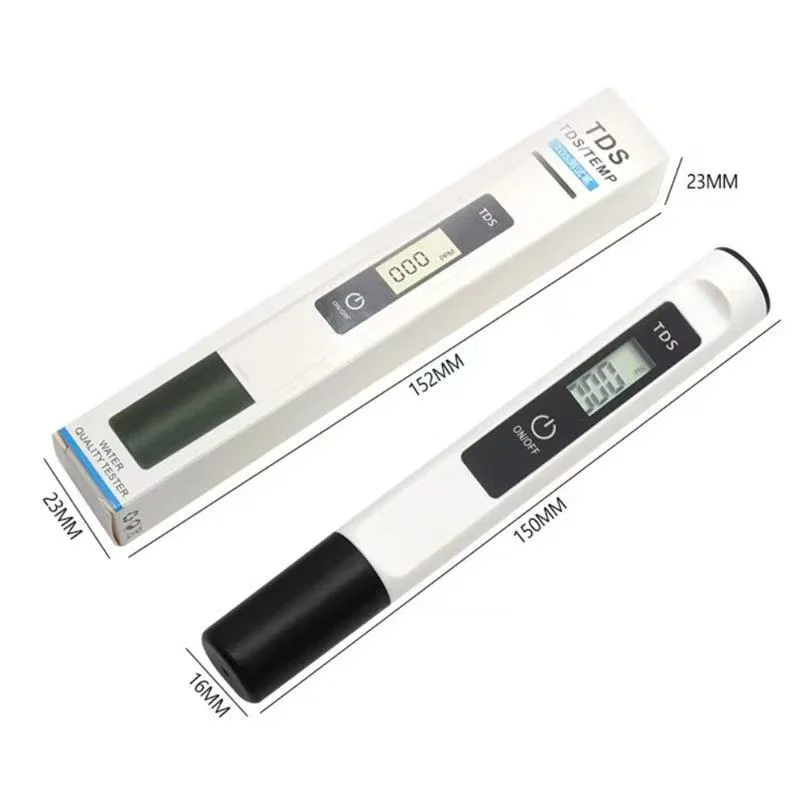
A tds tester does not directly identify every dissolved substance; it measures electrical conductivity and uses a conversion factor to estimate total dissolved solids. Electrode material affects the quality of that underlying measurement, not the chemistry-specific meaning of the displayed estimate. When evaluating a tds tester, therefore, consider material alongside calibration, temperature compensation, and intended use.
How Electrode Material Influences Measurement
Conductivity begins at the electrode surface
A tds tester applies an electrical signal through a pair of electrodes immersed in a sample. Dissolved ions carry current between the surfaces, and the instrument interprets the resulting conductance. Electrode material and finish can affect how consistently that electrical contact occurs, especially when repeated readings are expected across samples with different mineral content.
The geometry and spacing of the electrodes also matter, so material alone cannot guarantee accuracy. Still, a suitable surface helps a tds tester maintain dependable contact with the liquid while resisting unwanted reactions. Buyers should review material as one part of the sensor design, rather than treating it as a standalone specification that explains every reading.
Surface stability supports repeatable readings
An electrode exposed to water, dissolved salts, and cleaning routines may gradually accumulate deposits or show surface changes. Those changes can affect the way a tds tester responds, creating drift or less consistent measurements if the probe is poorly maintained. A stable electrode surface makes routine care more predictable and supports repeatable use over time.
For a tds tester used on a production floor or in a busy lab, repeatability matters because operators compare readings between batches, process stages, or shifts. Differences caused by residue or surface wear can be mistaken for a real change in water quality. Appropriate materials, careful rinsing, and periodic verification help separate instrument behavior from actual sample variation.
Material Choices and Operating Conditions
Match material properties to sample exposure
Electrode designs may use conductive materials selected for electrical behavior, corrosion resistance, cost, and maintenance needs. A tds tester intended for routine checks of relatively clean water may face different exposure than one used around mineral-rich process water or frequent cleaning. The relevant question is not which material is universally superior, but whether the construction fits the sample and handling conditions.
When comparing a tds tester for a specific application, check the stated probe materials and operating guidance. Consider whether the sample contains deposits that can build up, whether cleaning agents are used, and how often the probe will be immersed. These details help determine whether the electrode can be kept clean without exposing it to unsuitable treatment.
Consider measurement range and temperature
Conductivity changes with temperature, and the displayed TDS estimate depends on the conversion method used by the instrument. The electrode material does not replace temperature compensation or calibration, but stable electrode behavior helps the tds tester collect the signal those functions rely on. Confirm that the instrument’s working range and temperature provisions match the samples being checked.
A tds tester used for drinking water checks, aquariums, hydroponics, pools, or process monitoring may encounter different temperature patterns and dissolved-ion levels. Select the instrument for the actual measurement range rather than assuming one probe suits every task equally. Review the manual’s sample-handling guidance, and allow readings to stabilize where the procedure calls for it.
Selection, Care, and Practical Use
Evaluate the complete probe design
Choosing a tds tester means looking beyond a material label. Review electrode construction, probe protection, calibration procedure, displayed units, measurement range, and replacement or care instructions together. This helps a purchasing team judge whether the instrument fits the people, samples, and frequency of checks in its workflow.
For a handheld tds tester, handling is part of the design decision. Operators may need to rinse the probe between samples, avoid touching the sensing surfaces, and store the instrument as instructed. If several employees take readings, clear procedures can reduce differences caused by inconsistent immersion, contamination, or waiting time.
Protect the electrodes through routine care
After use, rinse a tds tester probe with clean water when the manufacturer’s instructions recommend it, then remove excess liquid without abrading the electrode. Do not scrape deposits with an unapproved tool or use a cleaning chemical simply because it is convenient. Such treatment may change the surface and make later readings less dependable.
Calibration and verification remain important even when the electrode appears clean. Use the specified standard and process to check that a tds tester responds as expected, and record results if measurements support operational decisions. If readings drift, first check sample temperature, contamination, calibration, and handling before concluding that electrode material is the only cause.
Connect material choice to the purchasing decision
A buyer can compare a tds tester against the application by documenting sample type, expected range, measurement frequency, cleaning routine, and conditions of use. Then confirm that probe materials and care requirements are compatible with those conditions. This practical review is more useful than selecting a device based on a single material description.
For general field checks, a compact tds tester can be considered when its range and instructions align with the task. A material decision should still account for cleaning and repeat-use needs. Confirm specifications and operating limits before deploying any meter in a controlled process.
FAQ
Does electrode material change the TDS conversion factor?
No. Electrode material affects the conductivity sensing interface, while the tds tester estimates dissolved solids using its conversion factor. The factor and the types of ions in a sample influence how conductivity relates to estimated TDS, so the display is not a direct identification of each dissolved substance.
Can electrode material alone ensure accurate readings?
No. A tds tester also depends on calibration, electrode geometry, temperature handling, sample preparation, and correct use. Suitable materials can support stable sensing, but they cannot compensate for a dirty probe, incorrect procedure, or an instrument used outside its stated range.
How should operators maintain electrodes?
Follow the instrument’s care instructions, rinse the tds tester probe as directed, and avoid abrasive cleaning or unapproved chemicals. Check calibration or performance at the intervals appropriate to the work. Consistent handling helps preserve the sensing surface and makes readings easier to compare.