EN
EN


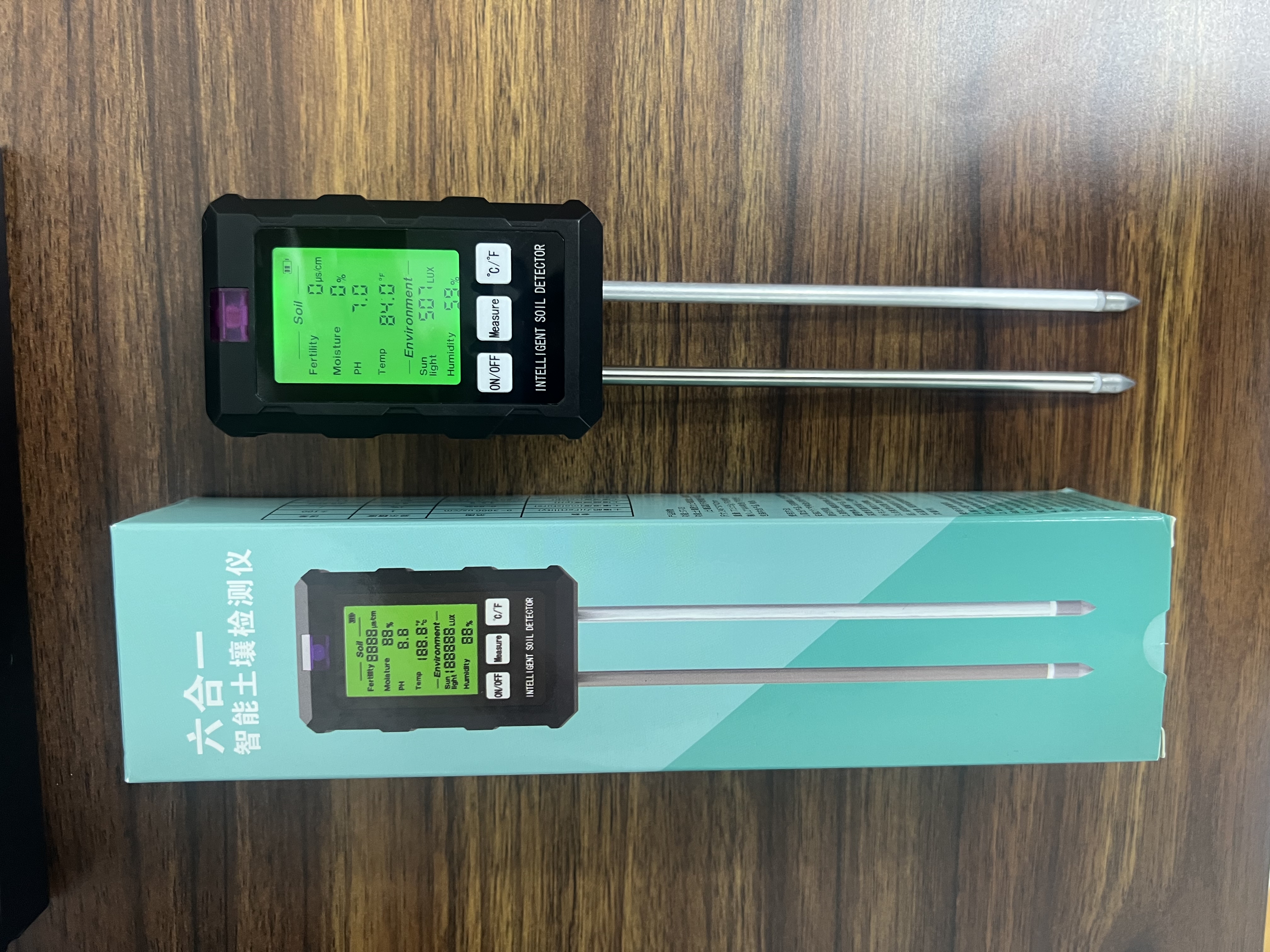
Managing vineyard soil effectively requires precise measurement and understanding of soil conditions, and a soil pH meter is fundamental to this process. Vineyard success depends heavily on soil chemistry, particularly pH levels, which directly influence nutrient availability, microbial activity, and ultimately grape quality and yield. A soil pH meter helps vineyard managers monitor these critical parameters with accuracy and consistency. Choosing the right soil pH meter involves understanding which features deliver the most value for vineyard-specific challenges and long-term soil health strategies.
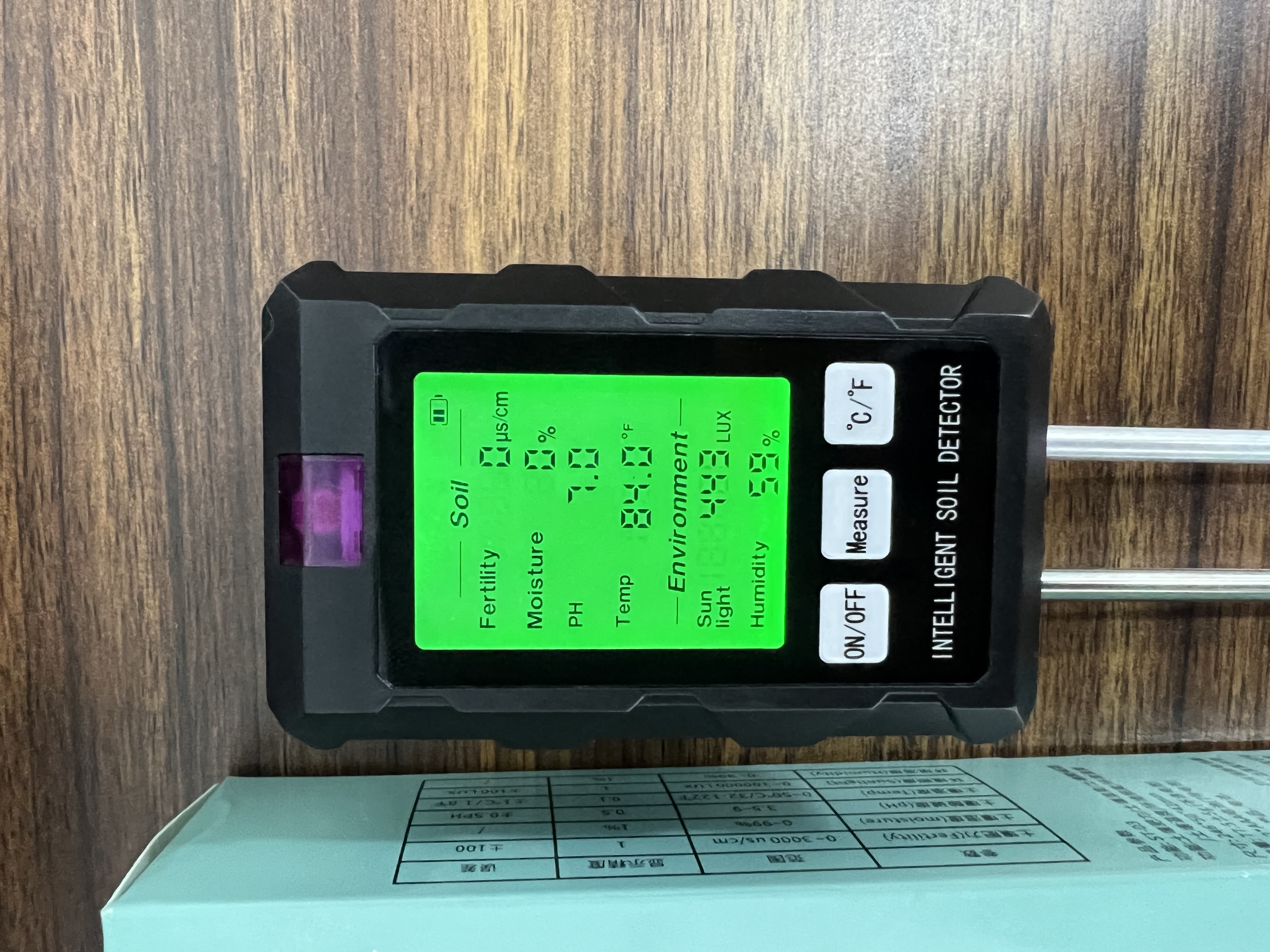
Vineyard soils vary significantly based on geography, climate, and historical management practices, making regular soil pH meter assessments essential for maintaining optimal growing conditions. The right soil pH meter provides reliable data that informs decisions about lime application, sulfur amendments, and other corrective measures. Understanding which features truly matter in a soil pH meter enables vineyard operators to invest in equipment that delivers consistent, actionable insights rather than generic or limited measurement capabilities.
Core Measurement Accuracy and Range
pH Accuracy Standards for Vineyard Soils
A soil pH meter must deliver measurement accuracy within 0.1 to 0.2 pH units to be reliable for vineyard management decisions. This level of precision is critical because even small pH variations significantly affect nutrient availability for grapevines. Soil pH meter accuracy depends on sensor quality, calibration frequency, and design robustness. Vineyard soils typically range from 5.5 to 8.5 pH, with premium wine regions often targeting specific narrow ranges based on varietal requirements. When selecting a soil pH meter, verify that its stated accuracy range covers the expected pH spectrum of your vineyard blocks and that the manufacturer provides clear calibration protocols.
Measurement Range and Multi-Parameter Capability
Beyond pH measurement, a comprehensive soil pH meter that measures moisture content, temperature, and nutrient indicators provides vineyard managers with a complete soil profile in single-visit assessments. A soil pH meter with extended measurement capability reduces time in the field and minimizes decision-making delays. Many modern soil pH meter models include moisture sensors that reveal soil water retention capacity, which directly impacts irrigation scheduling and root zone health. Temperature measurement within a soil pH meter helps correlate readings with seasonal variations and soil microbiome activity. The most effective soil pH meter for vineyard use combines precise pH sensing with these complementary measurements in a single, portable instrument.
Durability, Calibration, and Field Reliability
Build Quality and Environmental Resistance
Vineyard environments expose testing equipment to soil abrasion, moisture, temperature extremes, and seasonal weather stress, making durability a non-negotiable soil pH meter feature. A soil pH meter designed for agricultural use must have a stainless steel probe, waterproof electronics, and sealed connectors that resist corrosion from acidic soils and prolonged moisture exposure. The housing of a soil pH meter should be impact-resistant and ergonomically designed for repeated outdoor use across multiple vineyard blocks. Probe length is another critical soil pH meter specification; a probe long enough to reach the root zone (typically 10–20 cm) ensures representative soil sampling at the depth where nutrient uptake occurs. Look for a soil pH meter with replaceable probes and batteries to extend instrument lifespan and reduce long-term ownership costs.
Calibration Protocols and Maintenance Requirements
A soil pH meter requires regular calibration to maintain accuracy, and user-friendly calibration protocols directly impact field adoption and data reliability. Ideally, a soil pH meter should support two-point or three-point calibration using standard buffer solutions, which takes under five minutes and requires no specialized skills. Some soil pH meter models include automatic temperature compensation, which adjusts readings based on soil temperature to eliminate a major source of measurement error. The best soil pH meter for vineyard work includes clear digital displays, intuitive menus, and built-in guides for calibration steps. Maintenance requirements should be straightforward: probe cleaning, occasional calibration, and battery replacement. A soil pH meter that minimizes calibration downtime keeps vineyard managers focused on data collection rather than equipment troubleshooting.
Data Utility and Integration Features
Display Quality and Real-Time Feedback
A soil pH meter with a large, backlit digital display enables immediate data interpretation in varying light conditions and allows field managers to make quick assessment decisions without returning to a lab. Real-time feedback from a soil pH meter accelerates on-site decision-making for vineyard block prioritization and amendment scheduling. Some soil pH meter models include color-coded readouts that classify pH values as acidic, neutral, or alkaline, providing instant visual context for non-technical staff. Data resolution matters too; a soil pH meter displaying readings to 0.1 pH unit precision provides enough detail for vineyard management without overwhelming operators with unnecessary decimal places. The interface of a soil pH meter should be intuitive enough that seasonal workers or consultants can operate it consistently without extensive training.
Data Storage and Recordkeeping Capability
Modern vineyard management relies on historical soil pH meter data to track changes over multiple seasons and correlate soil amendments with subsequent plant performance. A soil pH meter with internal data logging or cloud connectivity enables systematic record-keeping without manual transcription errors. Some soil pH meter models offer Bluetooth connectivity that syncs readings to mobile apps or farm management software, streamlining workflow and data aggregation across vineyard parcels. Digital records from a soil pH meter create accountability trails and support decisions about future amendments or replanting strategies. Even basic soil pH meter models should allow operators to timestamp and geotag readings for spatial analysis of soil pH variation within vineyards. This recordkeeping capability transforms a soil pH meter from a simple diagnostic tool into a strategic management asset that informs multi-year vineyard development plans.
Application-Specific Considerations for Vineyard Contexts
Sensor Design for Vineyard Soil Types
Vineyard soils range from light sandy loams to heavy clay and rocky terroir, each requiring a soil pH meter probe design that maintains reliable contact and avoids measurement errors. A soil pH meter with a slim, tapered probe penetrates compacted or rocky soils more easily than blunt designs, reducing measurement delays in challenging vineyard blocks. Probe material matters significantly; stainless steel soil pH meter probes resist rust from slightly acidic vineyard soils, while gold-plated electrodes on premium soil pH meter models reduce noise and improve signal clarity. Some vineyard operators prefer a soil pH meter with replaceable gel-filled probes rather than liquid-filled designs because gel probes withstand temperature fluctuations better during seasonal transitions. Testing a soil pH meter prototype in your specific vineyard soil type before bulk purchase ensures the instrument performs reliably in your actual growing environment.
Workflow Integration and User Experience
A soil pH meter that fits seamlessly into existing vineyard management workflows reduces adoption friction and ensures consistent use across all blocks. Lightweight, battery-powered soil pH meter models enable single-person sampling campaigns without requiring a second person to record data or manage equipment. Fast stabilization time—where a soil pH meter reaches a stable reading within 10–15 seconds—minimizes sampling time and allows comprehensive monitoring of large vineyards within reasonable timeframes. Training requirements for a soil pH meter should be minimal; clear labeling, digital guidance, and intuitive controls allow seasonal staff to operate the instrument after brief orientation. The best soil pH meter for vineyards balances advanced features with simplicity, delivering professional-grade data without overwhelming complexity that discourages regular use.
FAQ
What pH range is ideal for most grapevine varieties?
Most grapevine varieties thrive in soil pH between 6.0 and 7.0, though premium wine regions often target narrower ranges specific to varietal expression and terroir characteristics. A soil pH meter helps you monitor and maintain these optimal ranges by providing precise measurements that guide amendment decisions. Soil pH below 5.5 requires lime application, while pH above 8.0 may indicate calcium excess that restricts nutrient availability. Regular soil pH meter monitoring prevents costly pH drift that compromises grape quality or vine health over multiple growing seasons.
How often should vineyard managers use a soil pH meter?
Soil pH meter monitoring should occur at least annually, ideally in late winter or early spring before active root growth resumes. Many vineyards with intensive management practices or variable soil conditions conduct soil pH meter surveys twice yearly to track seasonal shifts and validate amendment effectiveness. A soil pH meter assessment program covering multiple blocks systematically ensures no area is overlooked and provides comprehensive baseline data for long-term trend analysis. Frequency may increase during drought years or after major amendments, using soil pH meter data to confirm that corrective measures achieved intended results.
Can a soil pH meter replace traditional laboratory soil testing?
A soil pH meter provides rapid field assessment of pH and related parameters but should complement, not entirely replace, comprehensive laboratory soil testing that measures extractable nutrient levels and organic matter content. A soil pH meter excels at frequent monitoring and spatial mapping within vineyards, while laboratories deliver detailed nutrient balance information essential for amendment planning. Combining regular soil pH meter field assessments with annual or bi-annual laboratory tests creates a balanced strategy that captures immediate pH trends and detailed nutrient profiles needed for informed vineyard management decisions.