EN
EN


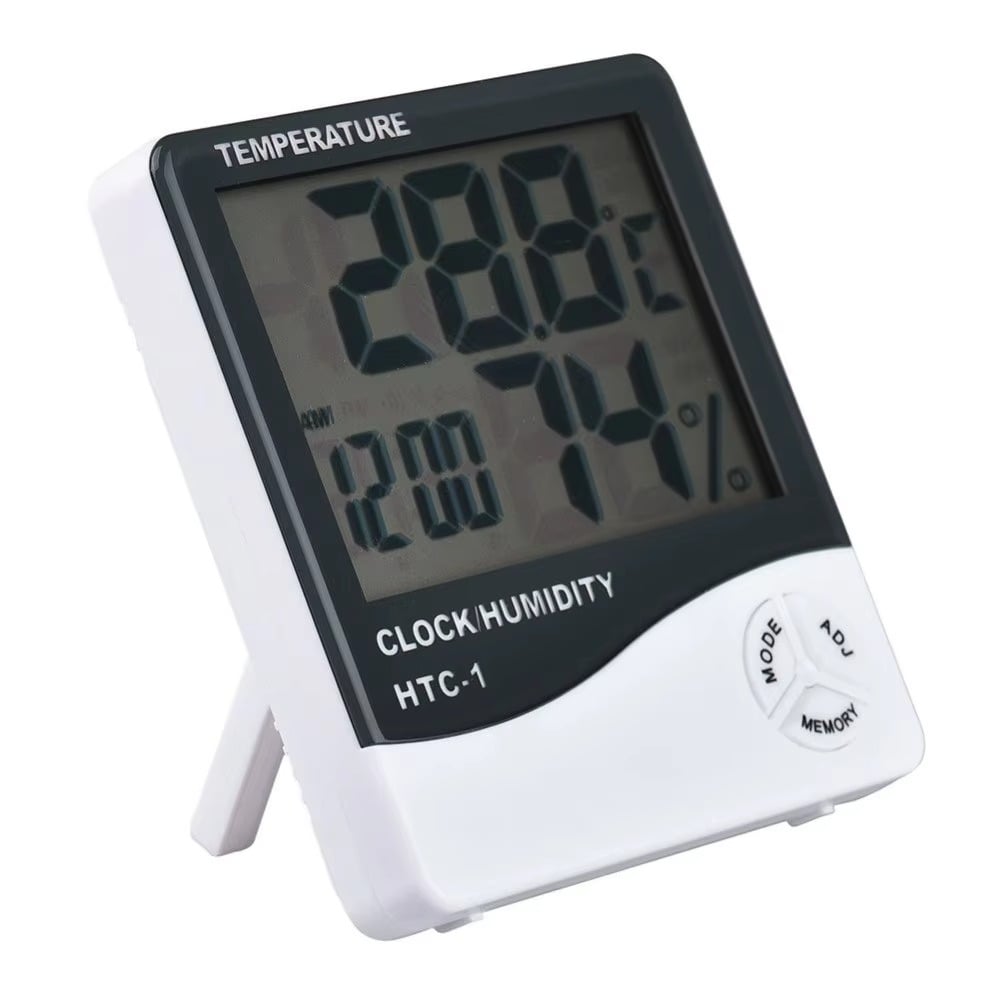
Indoor environmental monitoring depends critically on accurate temperature measurement, yet many facilities struggle with inconsistent thermometer readings caused by ambient interference. When a thermometer fails to deliver precise data, operational decisions become unreliable, affecting everything from climate control to product preservation. Understanding how ambient interference compromises thermometer performance is essential for anyone responsible for maintaining stable indoor conditions.
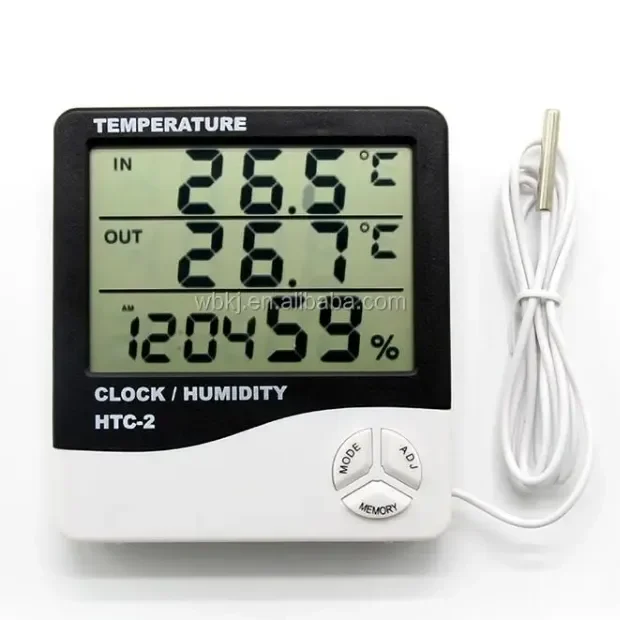
Ambient interference refers to external environmental factors that distort what a thermometer measures. These factors operate independently of the actual air temperature and can cause significant measurement drift. A thermometer exposed to electromagnetic radiation, direct sunlight, or air currents will report values disconnected from true environmental conditions, leading to costly operational errors.
Sources of Ambient Interference on Indoor Thermometer Performance
Electromagnetic Radiation and Electronic Devices
Electronic equipment generates electromagnetic fields that can interfere with thermometer sensors, especially models using wireless transmission. A thermometer positioned near microwave ovens, Wi-Fi routers, cell phone towers, or high-voltage electrical panels experiences signal degradation or sensor noise. This electromagnetic interference (EMI) causes a thermometer to either misread temperature or fail to transmit data reliably. The proximity to these devices matters significantly; placing a thermometer within three feet of a router or microwave amplifies interference effects dramatically.
In industrial settings, a thermometer near manufacturing equipment or server rooms faces continuous EMI exposure. Even office environments with multiple networked devices create enough electromagnetic noise to affect sensitive thermometer circuits. This type of interference proves particularly problematic for wireless thermometer models because the same frequencies used for data transmission can be disrupted by competing signals, making the thermometer appear to malfunction when the actual problem is environmental.
Thermal Radiation and Light Sources
Direct sunlight and artificial lighting create thermal radiation that artificially elevates what a thermometer reads. Incandescent bulbs, halogen lamps, and even LED arrays emit infrared radiation that can be absorbed by a thermometer sensor, causing temperature overestimation. This thermal interference becomes pronounced in south-facing windows or rooms with high-intensity work lighting. A thermometer exposed to direct afternoon sunlight might read five to ten degrees Fahrenheit higher than actual ambient temperature, completely invalidating any climate control adjustments based on that reading.
Glass surfaces near a thermometer can concentrate and reflect thermal radiation, compounding the problem. In warehouses or production facilities with skylight installations, a thermometer positioned near the skylight will consistently overestimate temperature due to solar gain. Similarly, a thermometer mounted near heating elements, steam pipes, or thermal equipment absorbs radiant heat that skews readings upward regardless of what the surrounding air temperature actually is.
How Air Movement and Ventilation Disrupt Thermometer Accuracy
Direct Air Drafts and HVAC Systems
Air currents from HVAC vents, ceiling fans, or open windows cause a thermometer to read localized temperature conditions rather than true ambient conditions. When cold air blows directly onto a thermometer sensor, the device records that cooler temperature even if the room overall is warmer. This thermometer interference creates phantom temperature fluctuations that trigger unnecessary heating or cooling cycles, wasting energy while failing to maintain desired conditions. The effect intensifies with high-velocity air streams, such as those from portable fans or air conditioning discharge vents.
Proper thermometer placement away from direct airflow is critical, yet many facilities mount a thermometer directly in line with HVAC registers without realizing the consequence. A thermometer measuring discharge air temperature instead of room temperature provides misleading feedback to climate control systems. This type of interference explains why a thermometer in one corner of a room reads very differently from another, creating confusion about whether climate systems are functioning properly or whether the thermometer itself is faulty.
Convection Currents and Thermal Stratification
In rooms with significant height differences or mixed thermal zones, a thermometer captures localized convection patterns rather than representative conditions. Heat rises naturally, so a thermometer mounted on a wall near ceiling height reads warmer than one at mid-wall height, even in the same room. This thermometer interference occurs because warm air naturally rises away from the measurement point, making the sensor respond to cooler air flowing downward. Facilities managing critical environments like server rooms or data centers must account for this thermal stratification when positioning thermometer sensors.
Industrial facilities with large open spaces face this challenge acutely. A thermometer in a warehouse might read completely different values depending on whether it is positioned in a thermal plume above heated equipment or in cooler ambient air. Multiple thermometer units strategically placed can map thermal gradients, but a single thermometer cannot reveal the full picture if environmental stratification exists.
Practical Solutions for Eliminating Thermometer Interference
Optimal Thermometer Placement Strategy
Choosing the right location for a thermometer is the first defense against ambient interference. Mount the thermometer away from direct sunlight, artificial light sources, and HVAC discharge vents. Position a thermometer at mid-wall height, roughly four to six feet from the floor, where it captures representative room temperature. Avoid corners, alcoves, and areas near doors or windows where temperature swings are greatest. A thermometer placed in an open area with natural air circulation provides the most reliable readings without being subjected to localized interference.
For a thermometer in industrial environments, maintain at least three feet of clearance from electronic equipment and high-voltage electrical panels. Shield a thermometer from direct thermal radiation using reflective barriers or shading if the location cannot be changed. Installing a thermometer inside a protective enclosure with ventilation holes allows air temperature measurement while blocking direct radiant heat and light. This approach ensures the thermometer remains responsive to ambient conditions without being corrupted by localized interference sources.
Sensor Technology and Signal Management
Modern thermometer designs with shielded sensor housings and filtered data processing help mitigate ambient interference. A thermometer with digital signal processing can average readings over time, smoothing out momentary electromagnetic spikes or thermal fluctuations. Choosing a thermometer specifically designed for industrial or medical-grade accuracy ensures the device includes EMI suppression circuitry and temperature compensation algorithms. These features make the thermometer more resistant to the interference that would compromise simpler analog models.
Wireless thermometer systems benefit from frequency-hopping technology and error-checking protocols that reduce interference impacts. A thermometer using dedicated industrial frequency bands rather than consumer Wi-Fi frequencies experiences fewer collisions with other signals. Dual-sensor thermometer configurations that cross-reference readings can detect when a thermometer is experiencing interference and flag potentially unreliable data for operator review.
Environmental Monitoring and Data Validation
Implementing multiple thermometer sensors in different locations reveals interference patterns through comparison. If one thermometer reads significantly different from others in the same space, that particular thermometer is likely experiencing localized interference. A thermometer showing sudden, unexplained spikes or drops typically indicates momentary interference rather than genuine temperature change. Logging thermometer data over extended periods allows facilities to identify systematic interference patterns and adjust placement or add protective measures accordingly.
Regular thermometer calibration against known reference standards detects sensor drift caused by cumulative interference exposure. A thermometer that drifts consistently in one direction may be experiencing chronic interference from a nearby source. Changing the thermometer location and recalibrating reveals whether the problem was environmental interference or sensor degradation. This diagnostic approach prevents relying on a potentially compromised thermometer for critical climate control or product monitoring decisions.
FAQ
Can electromagnetic interference damage a thermometer permanently?
Electromagnetic interference typically does not cause permanent damage to a well-designed thermometer, but it can cause temporary signal disruption or measurement errors. The thermometer will resume normal operation once removed from the interference source. However, prolonged exposure to extremely strong electromagnetic fields could theoretically degrade internal components over time, so protecting a thermometer through proper placement and shielding is still important for long-term reliability.
How far should a thermometer be placed from a wireless router to avoid interference?
A general guideline is to place a thermometer at least three to six feet away from wireless routers and other electronic devices that emit electromagnetic radiation. However, the optimal distance depends on the specific thermometer model and router power output. Some industrial-grade thermometer units with better shielding can tolerate closer proximity, while consumer-grade thermometer models may need greater separation. Testing thermometer readings at various distances from your router can reveal the interference threshold for your particular equipment.
Why does my thermometer read differently in summer versus winter despite stable room conditions?
Seasonal changes alter ambient interference patterns that affect your thermometer. In summer, increased sunlight through windows creates more thermal radiation that artificially elevates thermometer readings. In winter, heating systems generate different convection patterns and thermal stratification that change how ambient air reaches the thermometer sensor. Additionally, HVAC system operation changes seasonally, creating different airflow patterns around the thermometer. Relocating the thermometer to a more sheltered, representative location often resolves seasonal reading inconsistencies.