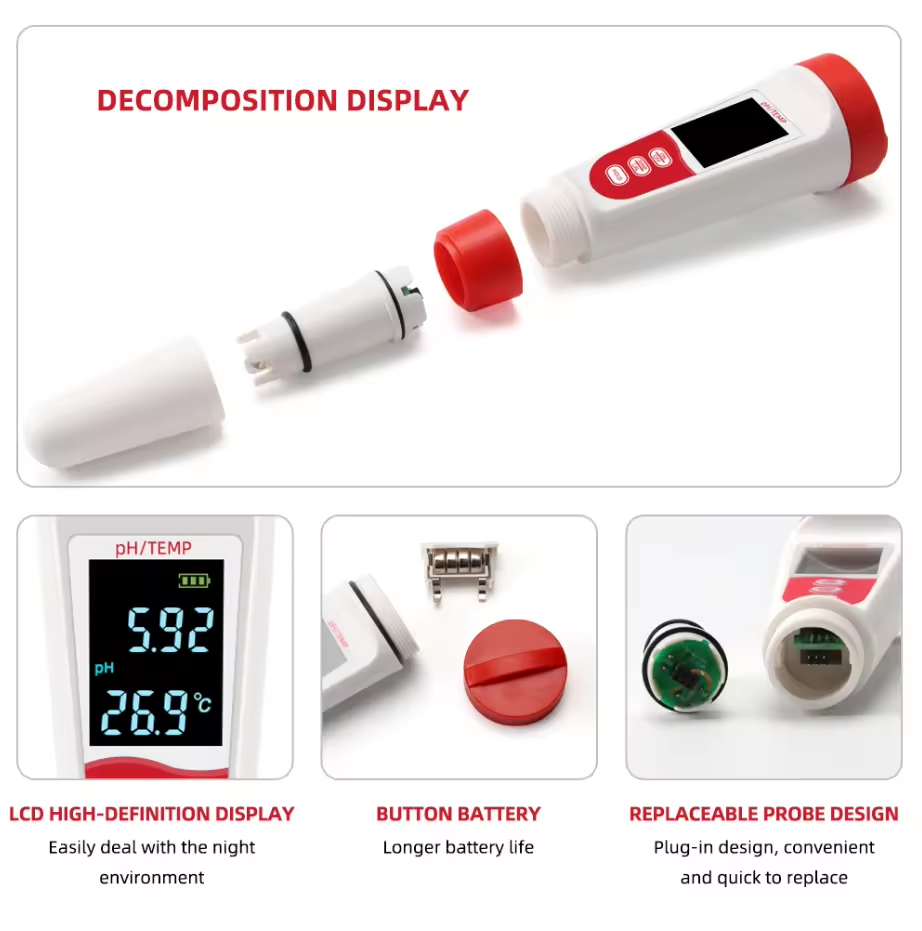
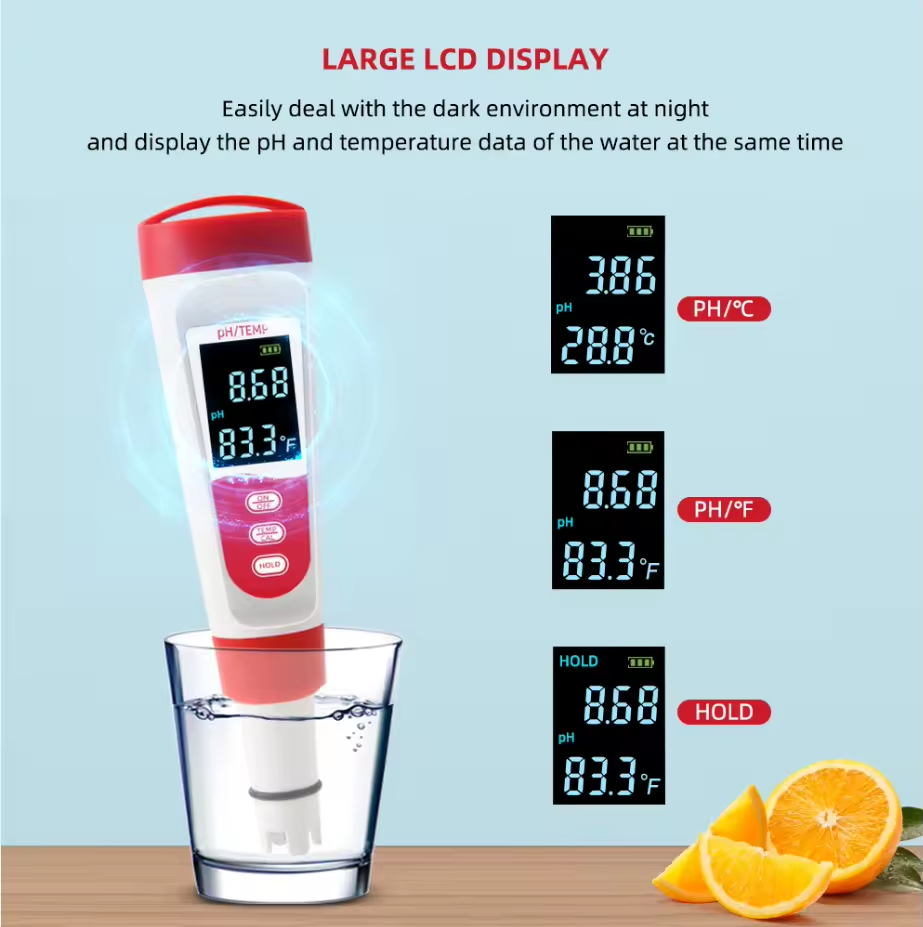
electronic water tester
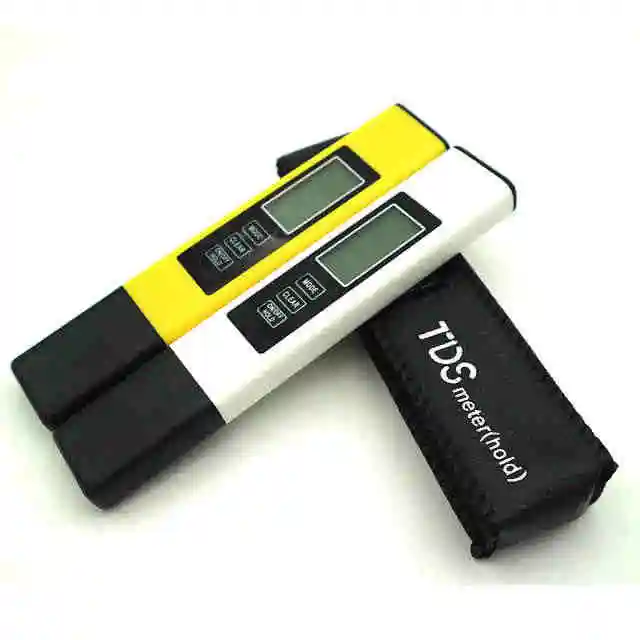
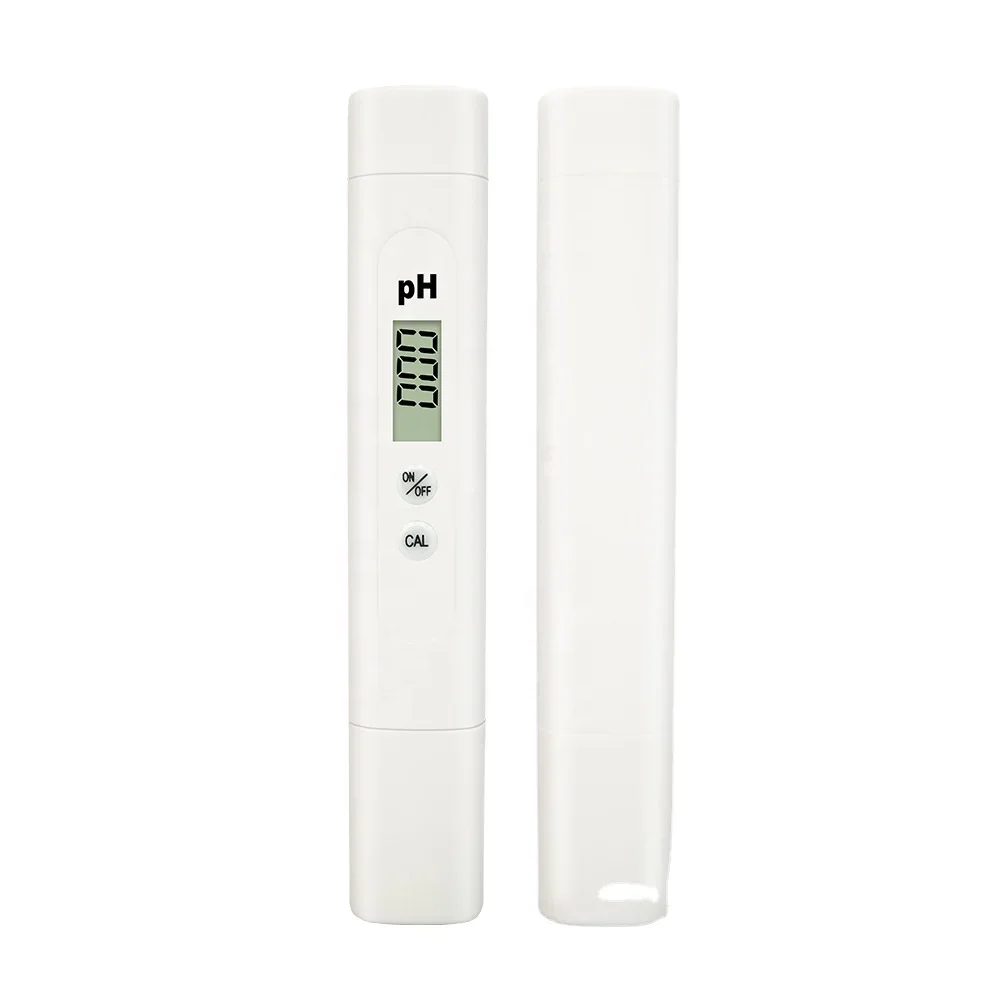
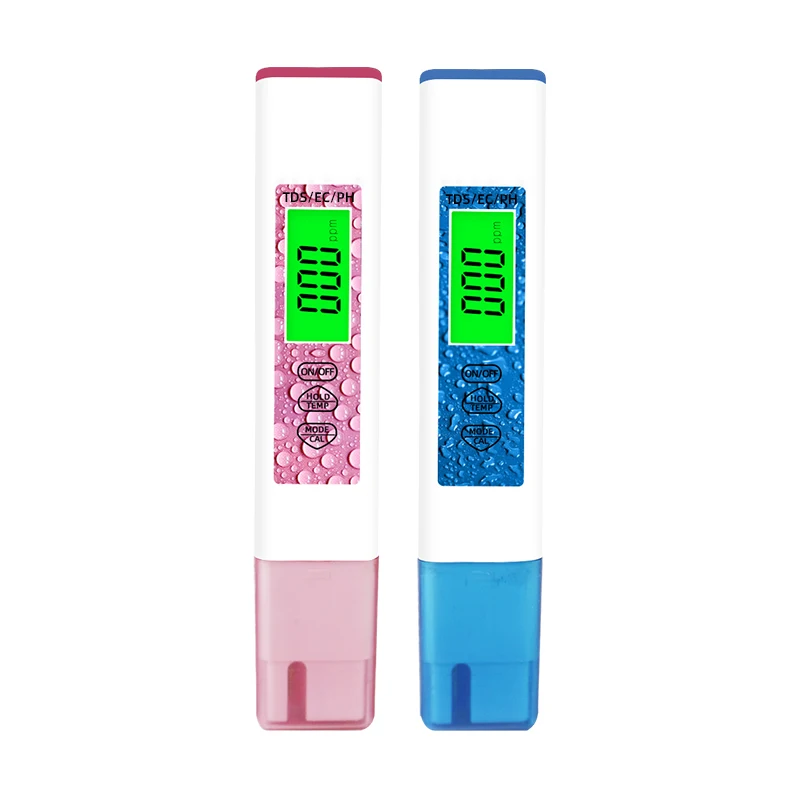
An electronic water tester is a sophisticated instrument designed to measure and analyze the quality of water in various environments. This device provides accurate readings of critical water parameters that determine whether water is safe for consumption, suitable for industrial processes, or appropriate for recreational use. The electronic water tester works by detecting dissolved minerals, chemicals, and contaminants present in water samples.
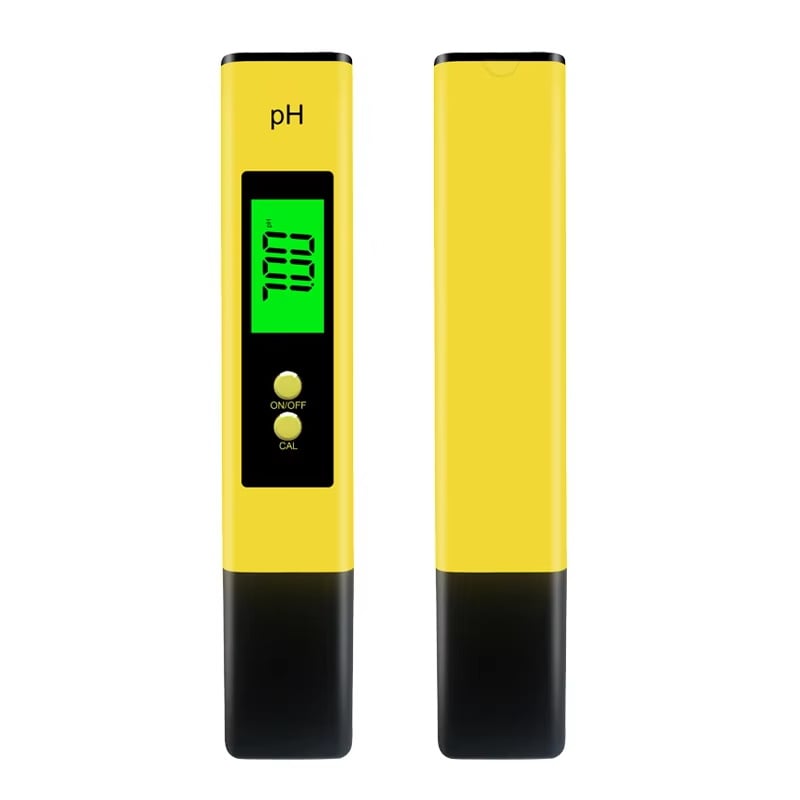
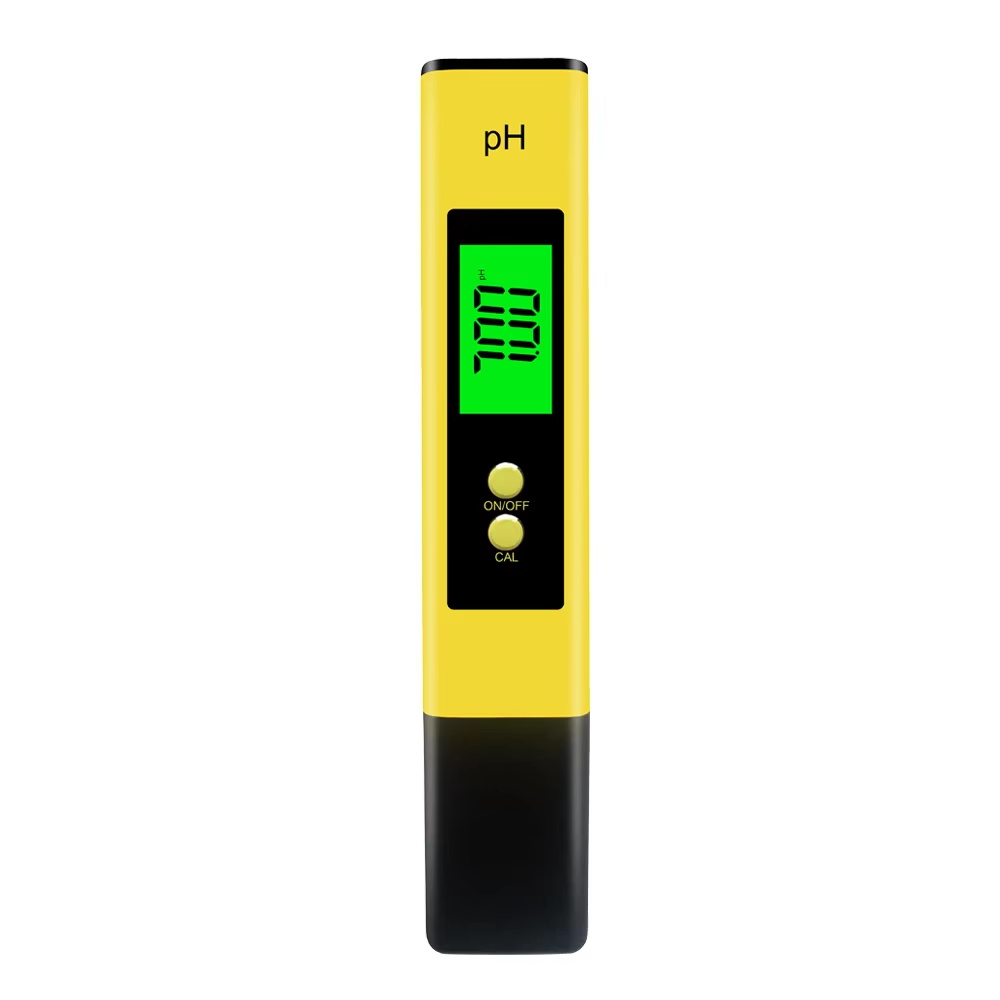
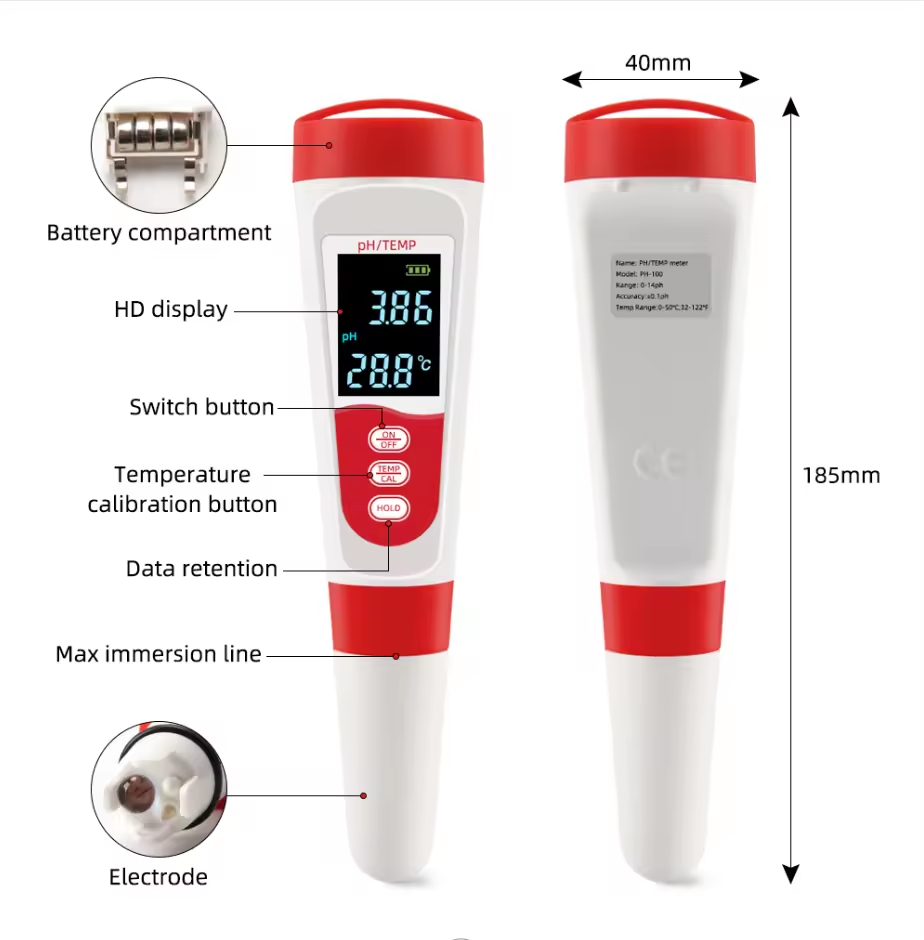
The main functions of an electronic water tester include measuring pH levels, total dissolved solids (TDS), conductivity, temperature, and salinity. These measurements help users understand water composition and identify potential problems. Modern electronic water testers feature digital displays that show results instantly, eliminating guesswork and manual calculations.
Technologically, an electronic water tester incorporates advanced sensors and microprocessor technology to deliver precise measurements within seconds. The device uses electrodes that react to specific water properties, converting these reactions into numerical values displayed on the screen. Many models include automatic temperature compensation, ensuring accurate results regardless of water temperature variations.
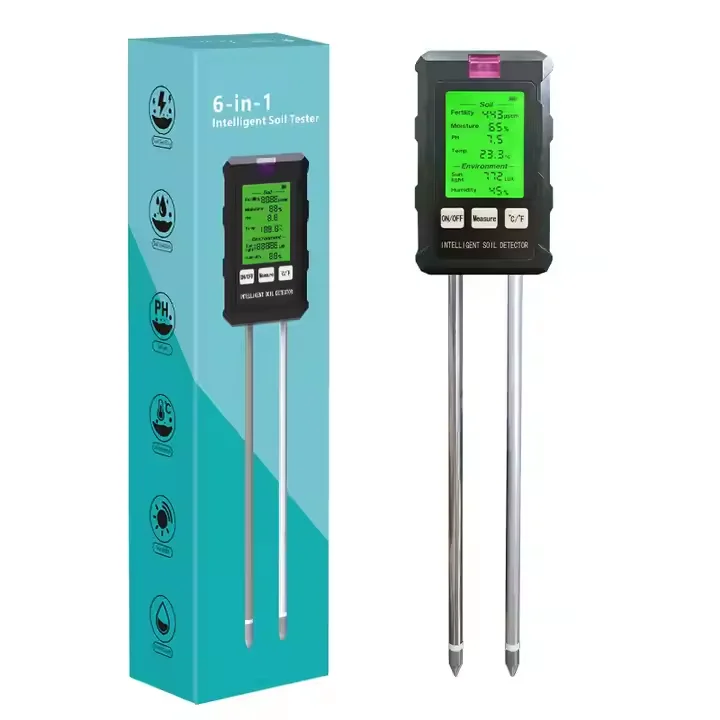
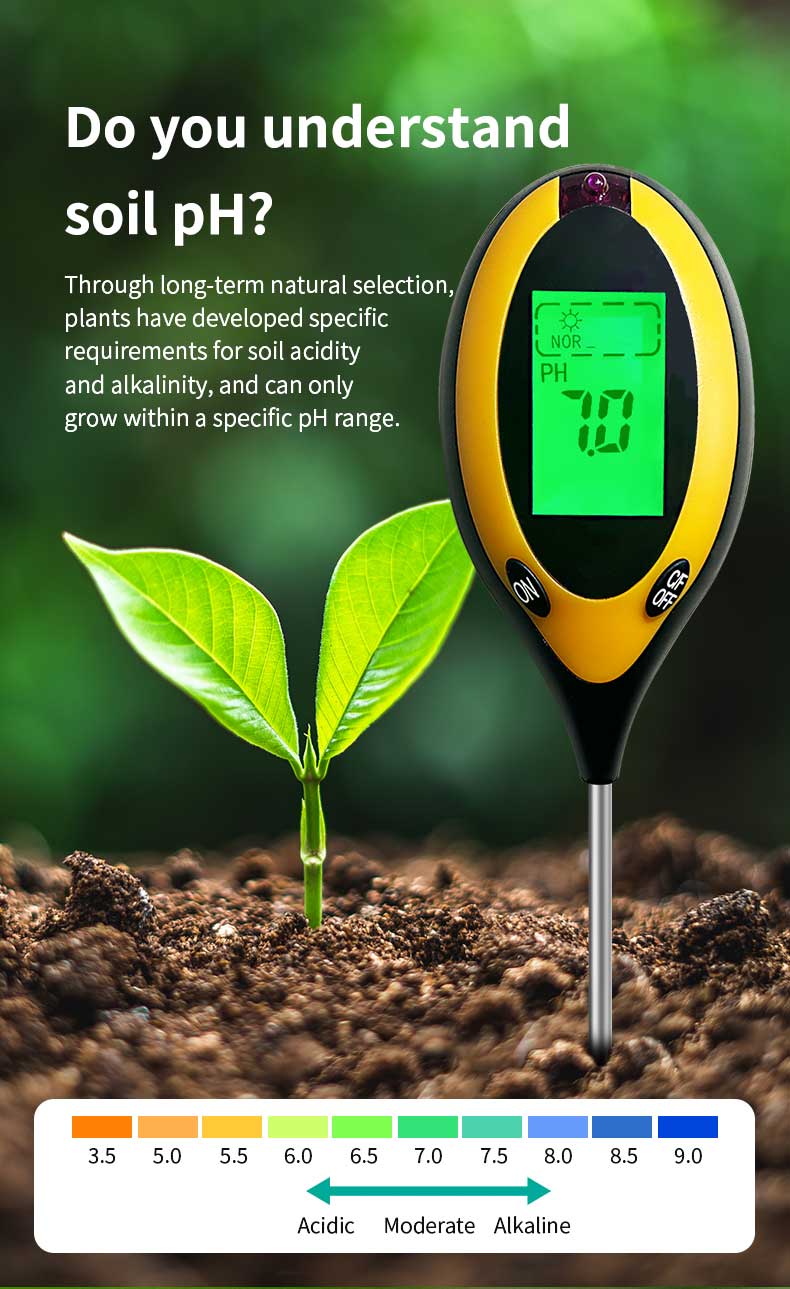
Applications for an electronic water tester are extensive and diverse. Home users employ them to test drinking water quality and aquarium conditions. Farmers utilize them to monitor irrigation water and soil moisture. Industrial facilities depend on electronic water tester data for quality control processes. Laboratories and research institutions use these devices for environmental monitoring and scientific studies. Water treatment facilities rely on electronic water tester readings to maintain compliance with safety standards and regulations, making this tool indispensable across multiple sectors.
 EN
EN