soil temperature sensor
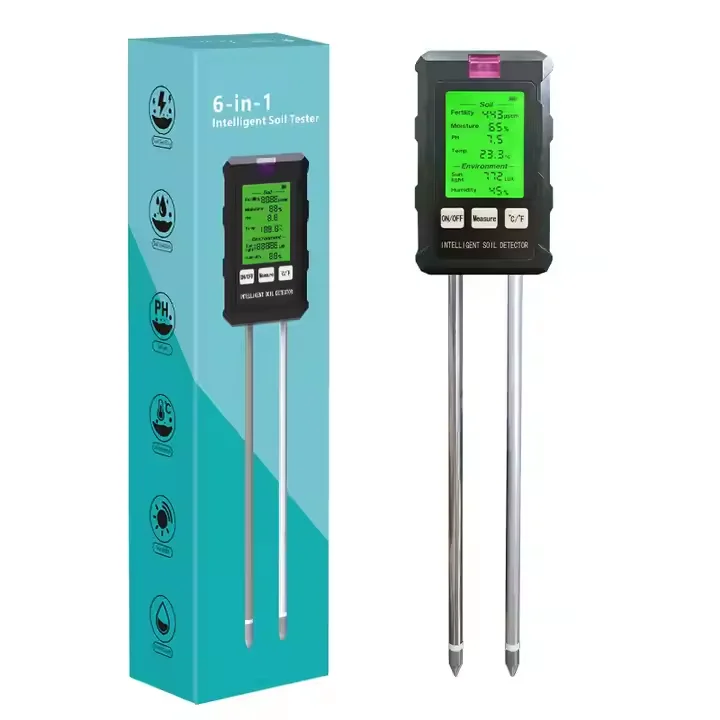
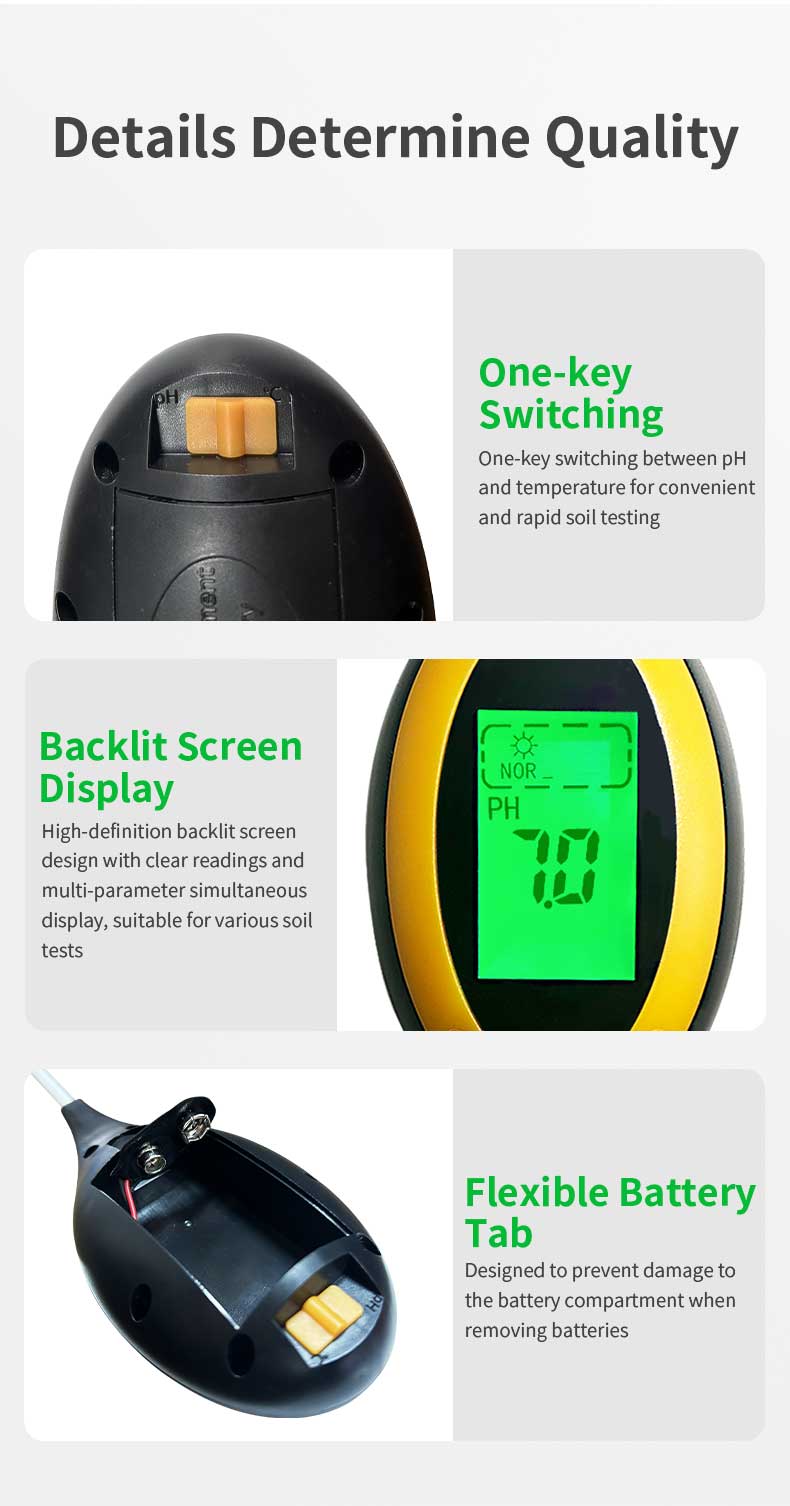
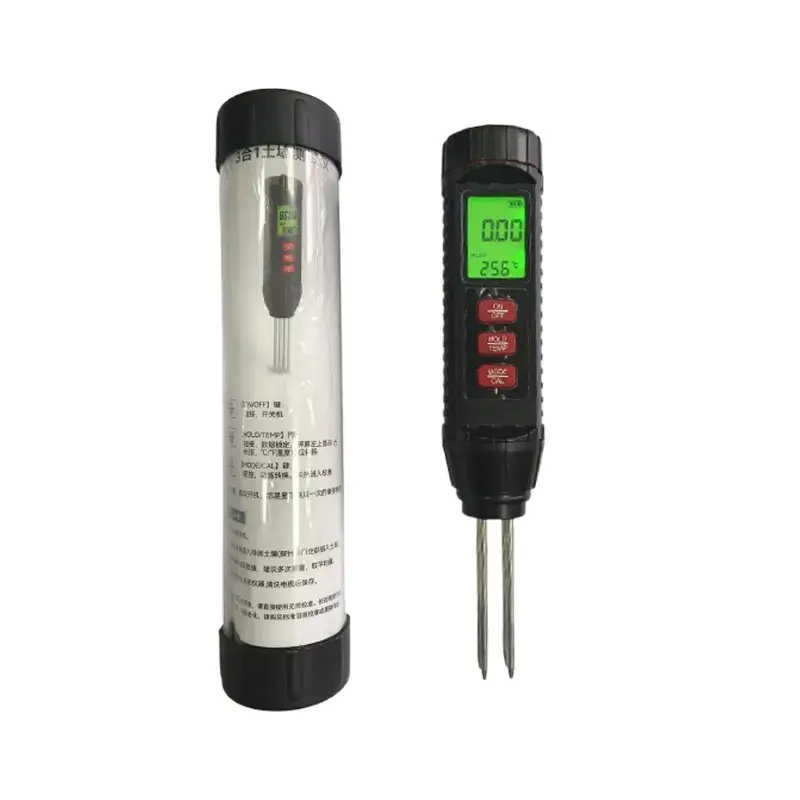
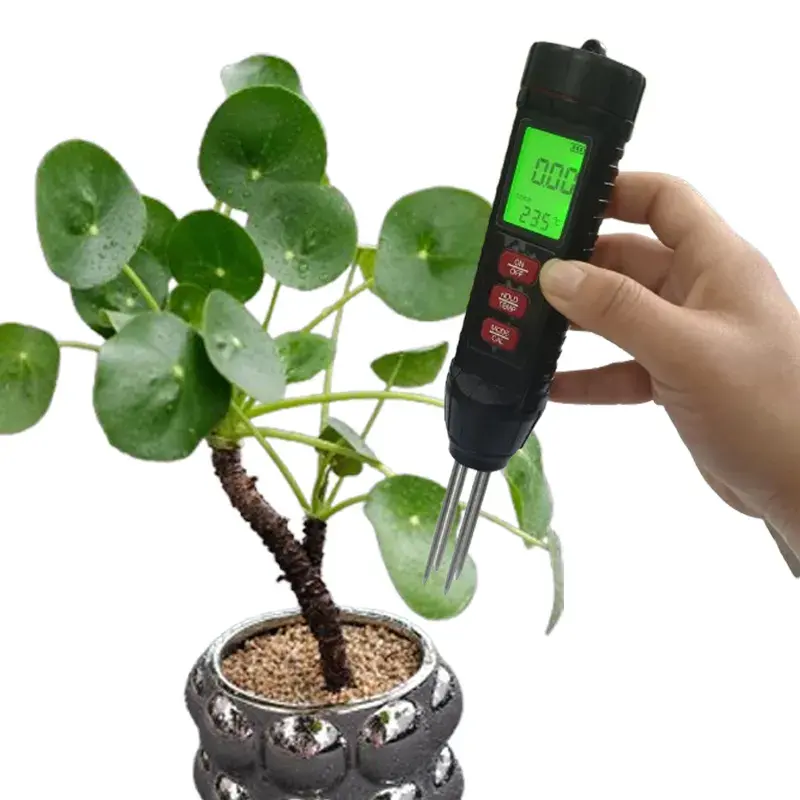
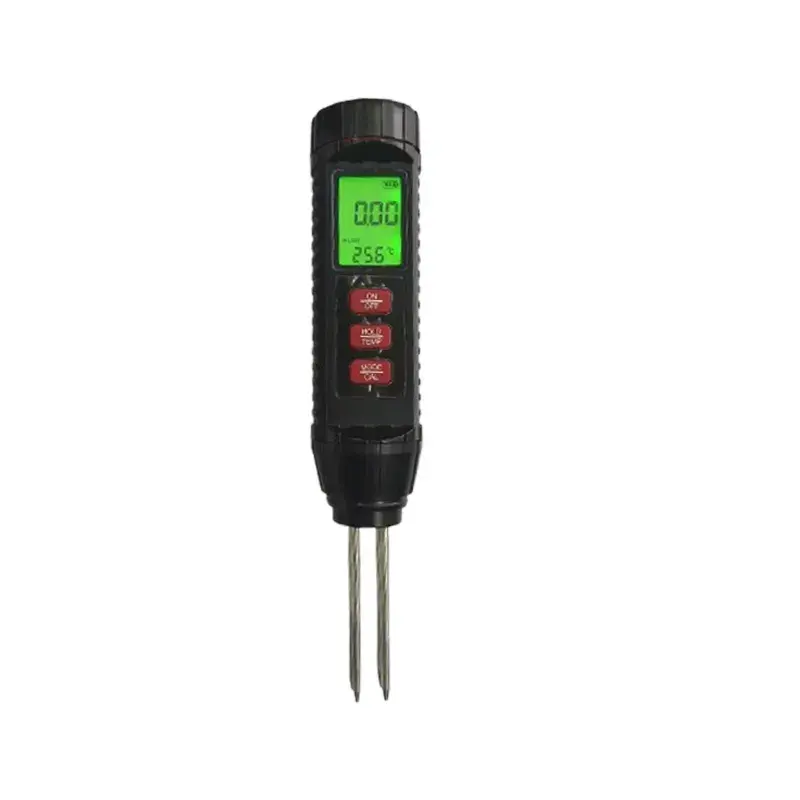
A soil temperature sensor is a precision instrument designed to measure and monitor ground temperature variations in real-time. This sophisticated device plays a critical role in agriculture, environmental monitoring, and scientific research by providing accurate thermal data essential for informed decision-making. The soil temperature sensor operates by detecting heat changes within the soil profile, converting these measurements into electronic signals that can be analyzed and recorded. Modern soil temperature sensors utilize advanced thermistor or resistance temperature detector (RTD) technology to ensure reliable performance across diverse environmental conditions. These sensors are particularly valuable because soil temperature directly influences seed germination, nutrient availability, microbial activity, and overall crop development. A soil temperature sensor enables farmers to optimize planting schedules, irrigation timing, and fertilizer application by understanding precise soil thermal conditions. The technology features robust construction capable of withstanding harsh underground environments, including corrosive soils and extreme weather. Installation of a soil temperature sensor is straightforward, requiring minimal technical expertise while delivering immediate benefits. Applications for a soil temperature sensor extend across multiple industries, including precision agriculture, greenhouse management, sports turf maintenance, and climate research. By integrating a soil temperature sensor into your monitoring system, you gain comprehensive insights into subsurface conditions that directly affect productivity and resource efficiency. The sensor's ability to provide continuous, accurate measurements makes it indispensable for modern agricultural practices and environmental stewardship.
 EN
EN