EN


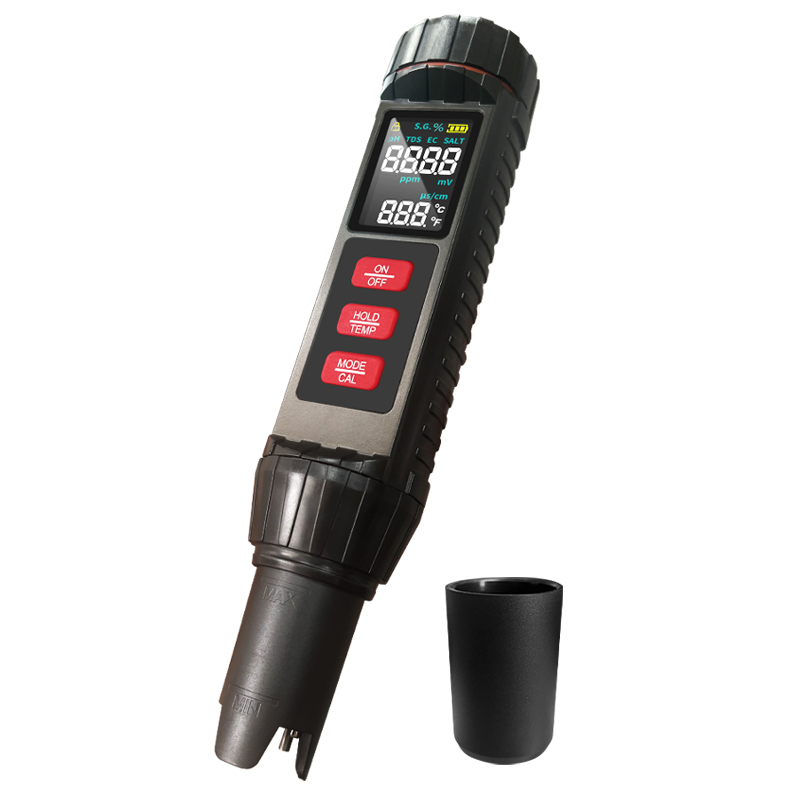
Managing a saltwater aquaculture farm requires precision monitoring of multiple water parameters, and among these, salinity stands as one of the most critical factors influencing fish and shrimp survival rates. A salinity meter serves as an essential tool for aquaculture operators who need to maintain optimal salt concentrations in their farming systems. Without accurate salinity measurement, farms face significant risks including poor growth rates, disease outbreaks, and complete stock loss. This article explores how a salinity meter directly contributes to successful farm management and why this technology has become indispensable for modern saltwater aquaculture operations.
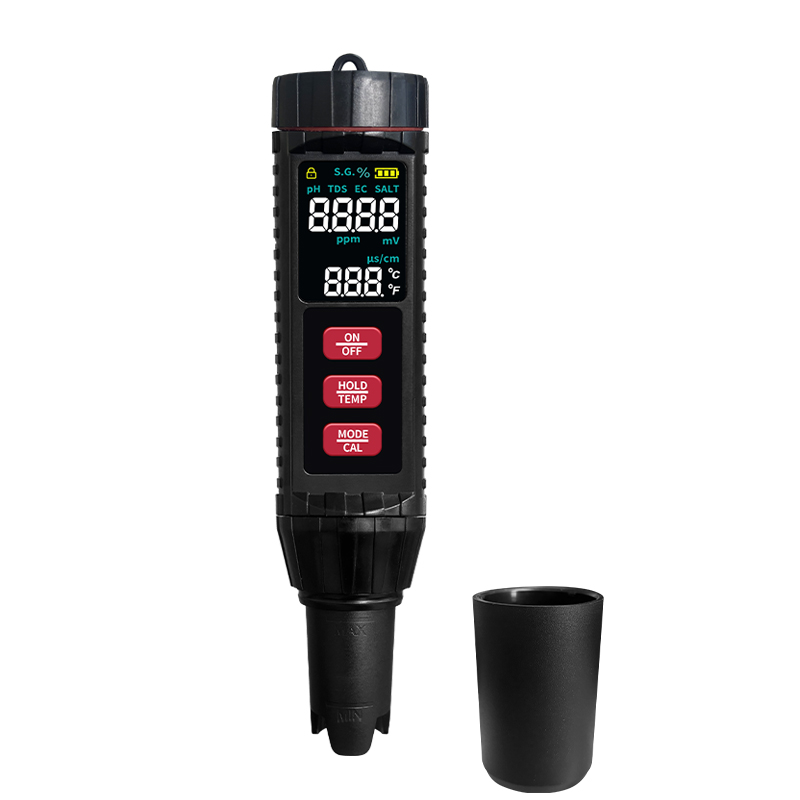
Aquaculture farms operating in saltwater environments must balance numerous chemical and biological factors to create conditions where aquatic species thrive. A salinity meter provides real-time data that informs every management decision, from water exchange schedules to feed timing and stock density adjustments. By understanding how a salinity meter functions and integrating its readings into daily farm protocols, operators can dramatically reduce production losses and improve overall profitability. The investment in reliable salinity measurement technology quickly pays for itself through improved harvest outcomes and reduced mortality rates.
Understanding Salinity Meter Technology and Function
Core Operating Principles of a Salinity Meter
A salinity meter works by measuring the electrical conductivity of water and converting this measurement into a salinity reading expressed in practical salinity units (PSU) or parts per thousand (ppt). The sensor probe contains electrodes that detect dissolved salt ions, and since saltwater conductivity correlates directly with salt concentration, the salinity meter can calculate exact salt levels within seconds. This electronic detection method replaces older manual titration techniques, offering aquaculture operators instant feedback rather than waiting hours for laboratory results. Modern salinity meter devices often integrate multiple sensors, measuring salinity alongside pH, temperature, and dissolved oxygen in a single handheld unit designed for field use.
Types of Salinity Meters Available for Farm Operations
Aquaculture farms can choose from several salinity meter configurations depending on operational needs and budget constraints. Handheld salinity meter units offer portability and quick spot-checking capabilities, making them ideal for rapid daily assessments across different pond sections. Stationary salinity meter probes connected to monitoring systems provide continuous data logging, allowing operators to track salinity fluctuations over hours and identify trends before problems develop. Optical refractometer-style salinity meter devices work through light refraction without electricity, offering a low-tech backup option when electronic systems fail. Conductivity-based salinity meter systems remain the most common choice for commercial operations because they deliver accuracy within 0.1 ppt and integrate easily with automated farm management software.
How a Salinity Meter Maintains Optimal Farming Conditions
Preventing Osmotic Stress in Aquaculture Species
Fish and shrimp in saltwater aquaculture systems exist in a delicate osmotic balance with their environment, and when salinity fluctuates outside species-specific tolerance ranges, organisms experience stress that suppresses immune function and growth. A salinity meter allows farm managers to detect even small deviations from target ranges before they trigger physiological stress responses. Most commercial marine species require salinity between 32 and 35 ppt for optimal health, and maintaining this range through regular salinity meter monitoring prevents the costly cascade of problems including bacterial infections, reduced feed conversion efficiency, and unexpected mortality spikes. By checking a salinity meter at consistent intervals throughout each day, operators create a comprehensive record that reveals whether their water exchange rates, evaporation compensation, and rainfall runoff management are maintaining the correct balance.
Optimizing Feed Conversion and Growth Performance
When salinity remains stable within target parameters, aquaculture species exhibit superior feed conversion ratios and accelerated growth rates compared to systems with fluctuating conditions. A salinity meter enables operators to understand how salinity variations correlate with feed intake and growth metrics in their specific farms. Species raised in water where a salinity meter readings indicate consistent conditions show higher survival rates and faster weight gain, directly reducing the feed cost per pound of harvested biomass. Farm records demonstrate that operations using regular salinity meter monitoring as a management tool report 8 to 15 percent improvements in feed efficiency over farms that monitor salinity only occasionally or rely on estimates rather than measurements.
Practical Implementation of Salinity Meter Monitoring in Daily Operations
Establishing Salinity Meter Testing Protocols for Multiple Pond Systems
Effective salinity meter use requires developing systematic testing schedules that capture spatial and temporal variation across the farm. Operators managing multiple ponds should establish a protocol where a salinity meter is used to test water samples from each pond at consistent times, typically in early morning before feeding and again in late afternoon. This twice-daily approach using a salinity meter reveals patterns in how salinity changes during the operational day, helping managers identify which water sources contribute salt load variation. Maintaining a log of all salinity meter readings creates a database that shows seasonal patterns and helps distinguish between normal fluctuation and equipment drift that might indicate sensor degradation in the salinity meter itself.
Responding to Salinity Meter Readings and Adjusting Farm Conditions
When a salinity meter indicates readings above optimal ranges, farm operators must increase water exchange rates or add fresh water depending on whether excess salt or evaporation caused the elevation. A salinity meter reading below target suggests increased freshwater inflow, typically from heavy rainfall or inadequate pond design, requiring operators to adjust drainage or modify intake water sources. Integrating salinity meter data with weather forecasts allows proactive management, where operators increase water exchange before predicted rainfall to prevent salinity dilution. Some advanced aquaculture operations now connect their salinity meter sensors to automated systems that trigger water pumping adjustments or valve openings without requiring manual intervention, though direct oversight of salinity meter readings remains important for detecting equipment malfunction or unexpected environmental changes.
FAQ
How frequently should a salinity meter be calibrated to ensure accuracy in aquaculture applications?
A salinity meter should be calibrated at least monthly for operations in demanding saltwater aquaculture environments, or more frequently if the meter shows drift in readings or if environmental conditions vary dramatically. Most quality salinity meter devices include calibration solutions, and performing this maintenance task takes only five to ten minutes. Some operations with critical production requirements calibrate their salinity meter daily or after each cleaning to maintain measurement accuracy within 0.1 ppt, ensuring that farm decisions remain based on reliable data.
Can a single salinity meter adequately monitor multiple ponds on a large aquaculture farm?
A portable salinity meter can be used across multiple ponds by moving it between sampling locations, but farms with more than three or four ponds typically benefit from installing multiple salinity meter probes or permanent monitoring stations. This approach ensures that each pond's salinity meter data is captured independently and prevents cross-contamination between samples. Large commercial operations often maintain a dedicated salinity meter at each pond facility to enable continuous monitoring and real-time alerts when conditions drift outside acceptable ranges.
What is the relationship between salinity meter readings and other critical water quality parameters in aquaculture?
While a salinity meter specifically measures salt concentration, salinity levels directly influence dissolved oxygen availability, pH buffering capacity, and the activity of beneficial bacteria in the pond ecosystem. A salinity meter reading combined with pH and temperature measurements from integrated multi-parameter meters provides complete context for understanding water quality status. Operators should not rely on a salinity meter alone but instead use it as one component of a comprehensive water quality monitoring program that includes testing for ammonia, nitrite, and other biological markers critical to aquaculture success.
Table of Contents
- Understanding Salinity Meter Technology and Function
- How a Salinity Meter Maintains Optimal Farming Conditions
- Practical Implementation of Salinity Meter Monitoring in Daily Operations
-
FAQ
- How frequently should a salinity meter be calibrated to ensure accuracy in aquaculture applications?
- Can a single salinity meter adequately monitor multiple ponds on a large aquaculture farm?
- What is the relationship between salinity meter readings and other critical water quality parameters in aquaculture?