EN
EN


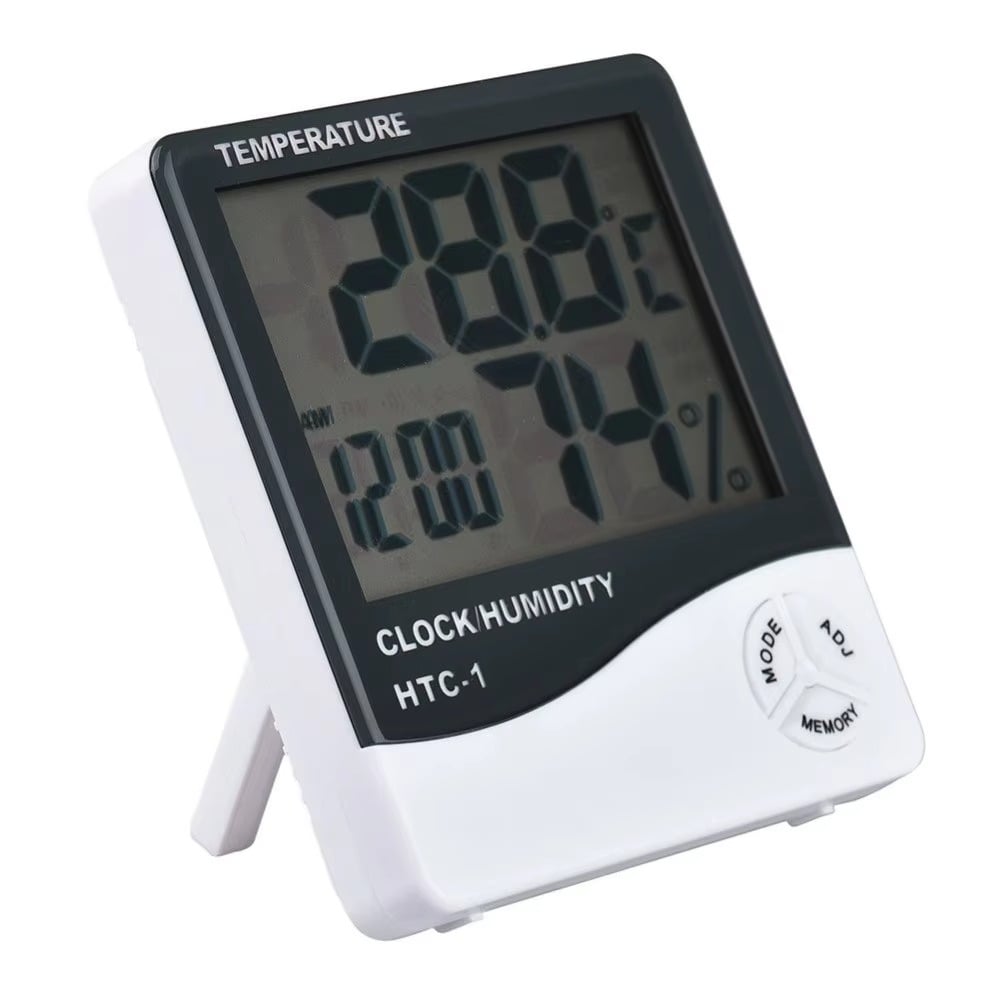
Laboratory operations depend on precise temperature measurement, and regulatory compliance hinges on using certified equipment that meets strict industry standards. A thermometer used in scientific research, pharmaceutical testing, food safety, or industrial quality control must possess proper certifications to guarantee measurement accuracy and legal compliance. Understanding which thermometer certifications are required protects your laboratory from regulatory violations, data integrity issues, and operational failures that could compromise test results or trigger costly audits.
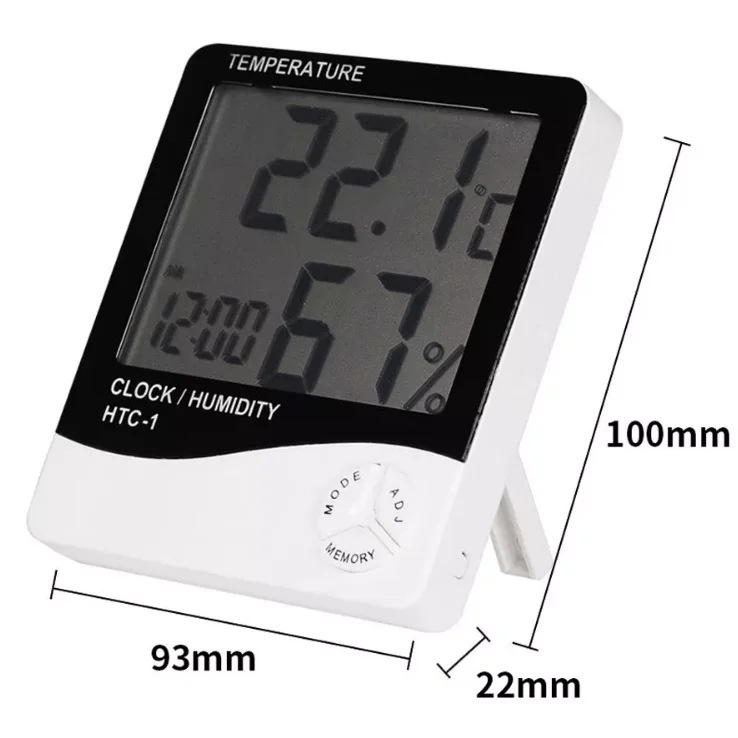
The specific thermometer certifications required depend on your laboratory's industry, the testing protocols you follow, and the regulatory bodies that oversee your work. Different sectors such as pharmaceuticals, food processing, environmental testing, and clinical diagnostics each have distinct thermometer certification requirements. This guide explains the major thermometer certifications, their importance, and how to verify that your measurement equipment meets all necessary compliance standards.
ISO Standards and Thermometer Certification
ISO 1770 and Industrial Thermometer Requirements
ISO 1770 establishes the design and performance specifications for resistance thermometers used across industrial and laboratory applications. A thermometer certified to ISO 1770 meets precise accuracy requirements, durability standards, and reproducibility criteria that ensure consistent measurement performance. This thermometer certification confirms that your equipment will function reliably within defined temperature ranges and maintain calibration stability over extended use periods. Laboratories in pharmaceutical manufacturing, chemical processing, and materials testing frequently require ISO 1770 certified thermometer devices to satisfy their quality management systems.
ISO 1273 for Liquid-in-Glass Thermometers
ISO 1273 governs liquid-in-glass thermometer specifications, including accuracy classes, scale divisions, and manufacturing tolerances. Many traditional laboratory settings still rely on liquid-in-glass thermometer instruments because they require no electrical power and provide straightforward visual readings. A thermometer meeting ISO 1273 certification has undergone rigorous testing to verify scale accuracy, thermometric liquid properties, and bulb strength. This thermometer standard applies widely in academic research, quality control labs, and facilities where analog measurement instruments are preferred or mandated by established protocols.
NIST Traceability and Thermometer Calibration
Understanding NIST Certification for Thermometer Accuracy
The National Institute of Standards and Technology (NIST) does not issue direct thermometer certifications, but NIST traceability is a critical compliance requirement that ensures your thermometer measurements connect to national and international measurement standards. A thermometer with NIST traceability has been calibrated against reference standards maintained by NIST or through an accredited calibration laboratory that follows NIST protocols. This thermometer traceability requirement guarantees that temperature readings remain accurate and defensible in regulatory audits, legal proceedings, or quality dispute resolutions. Most regulated industries require that laboratory thermometer equipment carry documentation proving NIST traceability back through the calibration chain.
Accredited Calibration Certificates for Thermometer Compliance
Your thermometer must be calibrated by an accredited laboratory that holds ISO/IEC 17025 accreditation, which verifies the calibration facility's competence and adherence to measurement standards. When a calibration service issues a thermometer calibration certificate with ISO/IEC 17025 accreditation, it provides legal evidence that your thermometer meets required accuracy specifications. The thermometer calibration certificate must clearly state the measurement uncertainty, the calibration date, and the next recommended calibration interval. Regulatory bodies, auditors, and quality inspectors specifically look for this thermometer accreditation evidence when evaluating laboratory compliance.
Industry-Specific Thermometer Certifications and Requirements
Pharmaceutical and FDA Thermometer Requirements
Pharmaceutical laboratories and manufacturers must comply with FDA regulations that require thermometer devices used in drug manufacturing and stability testing to meet specific accuracy and calibration standards. FDA guidance documents specify that a thermometer used in pharmaceutical applications must be calibrated against NIST-traceable standards or equivalent and documented in quality control records. The thermometer certification requirements for pharmaceutical work often exceed basic ISO standards because pharmaceutical regulations demand higher measurement precision and more frequent calibration intervals. Many pharmaceutical facilities use only thermometer equipment explicitly approved for GMP (Good Manufacturing Practice) environments, which requires formal validation studies demonstrating thermometer performance under actual laboratory conditions.
Food Safety and Environmental Thermometer Standards
Food safety laboratories must comply with HACCP (Hazard Analysis Critical Control Points) protocols that require regularly calibrated thermometer instruments to monitor critical control points like cooking temperatures and cold storage conditions. A thermometer used in food safety applications must meet FDA thermometer standards and carry calibration records proving NIST traceability at intervals specified by your facility's HACCP plan. Environmental testing laboratories follow EPA protocols that mandate thermometer accuracy within defined tolerances for water quality, air quality, and soil analysis work. These thermometer certification requirements ensure that food safety decisions and environmental compliance data remain legally defensible and scientifically valid.
Clinical and Medical Thermometer Certifications
Clinical laboratories and medical facilities require thermometer equipment that meets patient safety and diagnostic accuracy standards set by regulatory bodies like CLIA (Clinical Laboratory Improvement Amendments) and ISO 13485 for medical device quality. A clinical thermometer used in laboratory settings must be FDA-cleared, calibrated against NIST standards, and maintained according to medical device regulations. The thermometer certification pathway for clinical use is more stringent than industrial requirements because measurement errors could directly affect patient health outcomes. Many healthcare facilities require annual thermometer recalibration and documented validation that the thermometer remains suitable for clinical use.
FAQ
What happens if my laboratory uses an uncertified thermometer?
Using an uncertified thermometer exposes your laboratory to multiple compliance risks including failed regulatory audits, rejected data in quality disputes, invalidated test results, and potential legal liability if decisions based on that thermometer measurement cause harm or financial loss. Regulatory agencies and accreditation bodies will not accept data generated from an uncertified thermometer, which could result in work stoppages, license suspension, or mandatory retesting of prior samples. Additionally, an uncertified thermometer provides no assurance of measurement accuracy, which undermines the scientific validity of your laboratory results and damages your facility's reputation.
How often must a laboratory thermometer be recalibrated?
Thermometer recalibration intervals depend on your industry, the specific thermometer model, usage frequency, and regulatory guidance for your application. Most regulated labs require annual thermometer recalibration, while some pharmaceutical or clinical facilities mandate calibration every six months or more frequently if the thermometer is used continuously. The thermometer manufacturer and your quality management system should specify the required calibration interval, and your accredited calibration laboratory will recommend appropriate thermometer recalibration schedules based on NIST standards and your facility's historical performance data.
Can I use a general-purpose thermometer in a regulated laboratory?
No, a general-purpose thermometer purchased from a retail supplier lacks the necessary certifications, accuracy specifications, and calibration documentation required for regulated laboratory work. Regulated industries specifically require a thermometer with documented ISO certification, NIST traceability, and formal calibration certificates proving compliance with industry standards. Using a non-certified thermometer violates regulatory requirements and disqualifies your laboratory results from acceptance in quality audits, legal proceedings, or regulatory submissions, so you must invest in a proper laboratory-grade thermometer that meets all applicable certification and compliance standards.