EN
EN

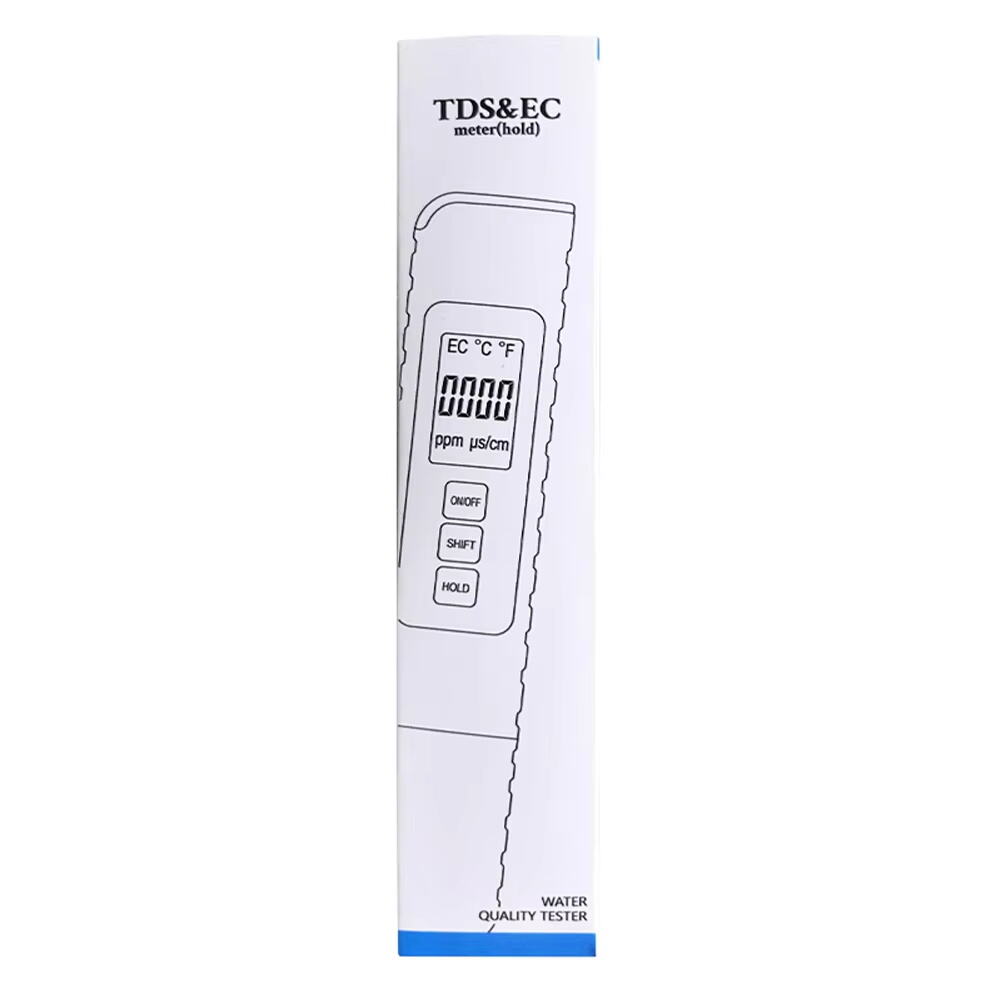
Industrielle vannbehandlingsprosesser utgjør ryggraden i mange produksjonsoperasjoner og sikrer at vannkvaliteten oppfyller strenge krav for produksjon, sikkerhet og miljømessig etterlevelse. Blant de kritiske parametrene som avgjør egnetheten til vannet står pH-, TDS- og EC-testing som en grunnleggende kravstilling som direkte påvirker driftseffektiviteten og produktkvaliteten. Disse tre sammenhengende målingene gir viktige innsikter i vannets kjemi og gjør det mulig for driftsansvarlige å ta informerte beslutninger om behandlingsprotokoller og vedlikehold av anlegg.
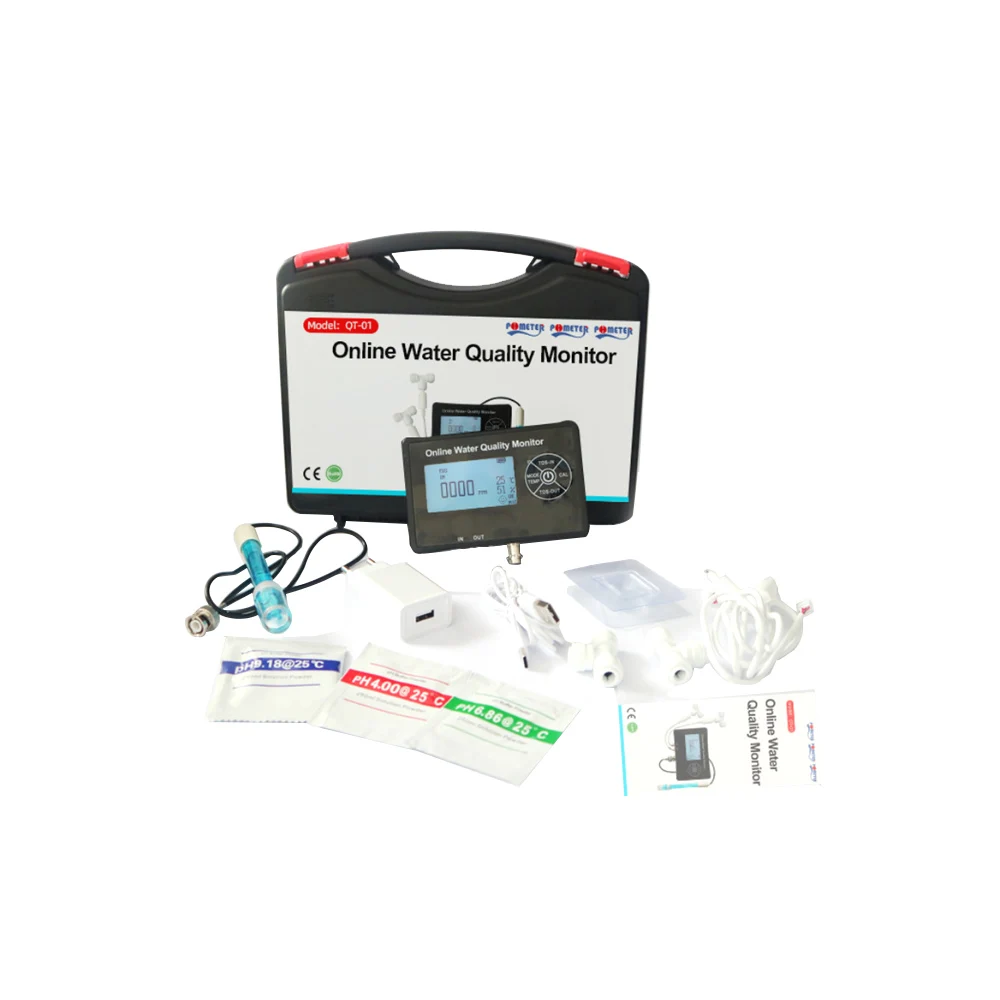
Betydningen av pH-, TDS- og EC-testing strekker seg langt forbi en grunnleggende vurdering av vannkvaliteten og omfatter kritiske aspekter som utstyrsbeskyttelse, prosessoptimering og etterlevelse av reguleringer. Produksjonsanlegg som ser bort fra disse parametrene står ofte overfor kostbare utstyrsfeil, produksjonsforsinkelser og potensielle reguleringsovertramp. Å forstå den innviklede sammenhengen mellom pH-verdier, konsentrasjonen av totale oppløste faste stoffer (TDS) og målinger av elektrisk ledningsevne (EC) gir operatører mulighet til å opprettholde optimale vannforhold gjennom hele deres renseanlegg.
Moderne industrielle anvendelser krever nøyaktig kontroll av vannkvaliteten, der selv små avvik i disse parameterne kan føre til betydelige driftsforstyrrelser. Innføringen av omfattende pH-, TDS- og EC-testprotokoller sikrer konsekvent overvåkningskapasitet som støtter både umiddelbare driftsbehov og langsiktig strategisk planlegging for vannbehandlingsanlegg.
Forståelse av pH-verdier i industrielle vannsystemer
Påvirkning av pH på utstyrskorrosjon og avleiring
pH-verdier fungerer som en primær indikator på vannets surhet eller alkalitet og påvirker direkte utstyrets levetid og driftseffektiviteten i industrielle vannbehandlingssystemer. Når pH-verdiene avviker fra de optimale områdene – vanligvis mellom 6,5 og 8,5 for de fleste industrielle anvendelser – utsettes utstyrsdelene for akselerert korrosjon eller mineralavleiring. Sure forhold med lave pH-verdier fremmer oppløsning av metall, noe som fører til rørnedbrytning, pumpebeskadigelse og svikt i systemkomponenter, og som kan koste anlegg flere tusen dollar i reservedeler og driftsstop.
Omvendt skaper alkaliske forhold, karakterisert ved høye pH-verdier, miljøer som fremmer mineralavleiring og skorpe dannelse på varmevekslere, kjelrrør og overflater i kjølesystemer. Denne avleiringen reduserer varmeoverføringseffektiviteten, øker energiforbruket og krever hyppige vedlikeholdsintervensjoner. Regelmessig pH-, TDS- og EC-testing gir operatører mulighet til å identifisere pH-svingninger før de forårsaker uopprettelig skade på kritiske infrastrukturkomponenter.
De økonomiske konsekvensene av pH-relatert utstyrsbeskadigelse strekker seg langt forbi umiddelbare reparasjonskostnader og omfatter produksjonstap, kostnader for nødvedlikehold og potensielle sikkerhetsrisikoer. Anlegg som holder en konsekvent pH-overvåking gjennom omfattende testprotokoller opplever typisk 30–40 % lengre levetid for utstyret sammenlignet med anlegg med spredt overvåking.
pH-kontrollstrategier for prosessoptimalisering
Effektiv pH-kontroll krever en sofistikert forståelse av kjemiske interaksjoner i vannbehandlingsanlegg, der bufferkapasitet, alkalinitet og sytrådneutraliseringspotensial avgjør passende justeringsstrategier. Industrielle anlegg bruker ulike metoder for pH-justering, inkludert kjemisk tilsetningsanlegg, ionbytteprosesser og membranfiltreringsteknologier, hvor hver metode krever nøyaktig overvåking for å sikre optimal ytelse. Valg av passende pH-kontrollmetoder avhenger i stor grad av egenskapene til inntaksvannet, som avdekkes gjennom pH-, TDS- og EC-testanalyser.
Automatiserte pH-styringssystemer integrerer kontinuerlig overvåkningskapasitet med justeringer av kjemikalietilførsel i sanntid, og opprettholder stabile pH-nivåer selv ved variasjoner i kvaliteten på inntaksvannet eller systemets belastningsforhold. Disse systemene er avhengige av nøyaktige pH-målinger for å utløse passende tilsetning av kjemikalier, og forhindre både utilstrekkelig behandling og overdosering, som kan svekke vannkvaliteten eller øke driftskostnadene.
Strategisk pH-styring tar også hensyn til krav fra nedstrøms prosesser, der spesifikke produksjonsoperasjoner kan kreve smale pH-intervaller for optimal produktkvalitet. Matprosesseringsanlegg, farmasøytisk produksjon og halvlederproduksjon har alle strenge pH-spesifikasjoner som direkte påvirker endelige produktegenskaper og etterlevelse av regulativ krav.
Overvåking og styring av totale oppløste faste stoffer
TDS’ innvirkning på industriell prosesseffektivitet
Konsentrasjonen av totale oppløste faste stoffer (TDS) representerer en samlet måling av alle uorganiske og organiske stoffer som er oppløst i vann, og gir avgjørende innsikt i vannets generelle renhet og effektiviteten av vannbehandlingsprosesser. Forhøyede TDS-nivåer indikerer tilstedeværelsen av mineraler, salter, metaller og andre oppløste forbindelser som kan forstyrre industrielle prosesser, redusere utstyrets virkningsgrad og svekke kravene til produktkvalitet. I produksjonsoperasjoner som krever vann med høy renhet – for eksempel elektronikkproduksjon eller farmasøytisk fremstilling – opprettholdes strenge TDS-grenser, ofte under 50 ppm.
Forholdet mellom TDS-konsentrasjon og prosessytelse varierer betydelig mellom ulike industrielle anvendelser, der noen operasjoner tåler høyere nivåer av oppløste faste stoffer, mens andre krever vannkvalitet som nærmer seg destillert vann. Køletårnsdrift fungerer vanligvis effektivt med TDS-nivåer opp til 2000 ppm, mens fyllvann til dampkjele krever TDS-konsentrasjoner under 500 ppm for å unngå avsettinger og sikre effektiv varmeoverføring. Regelmessig pH-, TDS- og EC-testing gir operatører mulighet til å optimalisere behandlingsprosesser basert på spesifikke anvendelseskrav.
Økonomiske hensyn knyttet til TDS-styring omfatter både behandlingskostnader og virkninger på driftseffektiviteten, der for høye konsentrasjoner av oppløste faste stoffer øker kjemikalieforbruket, energibehovet og vedlikeholdsfrekvensen. Anlegg som implementerer omfattende TDS-overvåking oppnår vanligvis 15–25 % reduksjon i totale vannbehandlingskostnader gjennom optimalisert kjemikaliebruk og forlengede serviceintervaller for utstyr.
TDS-reduserende teknologier og anvendelser
Industrielle vannbehandlingsanlegg bruker ulike teknologier for reduksjon av TDS, inkludert omvendt osmose, ionbytte, destillasjon og elektrokjemiske prosesser, der hver enkelt teknologi tilbyr spesifikke fordeler for bestemte anvendelser og vannkvalitetsforhold. Anlegg basert på omvendt osmose fjerner effektivt 95–99 % av oppløste faste stoffer, noe som gjør dem ideelle for anvendelser som krever ultra-rennt vann, mens ionbytteprosesser gir selektiv fjerning av spesifikke ioniske arter. Valget av passende TDS-reduksjonsteknologi avhenger av egenskapene til inngående vann, krav til kvaliteten på ferdigbehandlet vann og økonomiske hensyn, som avdekkes gjennom omfattende pH-, TDS- og EC-testprotokoller.
Membranbaserte behandlingssystemer krever nøye overvåking av TDS-nivåene i tilført vann for å optimere driftstrykk, minimere tilstoppingspotensialet og maksimere membranens levetid. Høye TDS-konsentrasjoner øker kravene til osmotisk trykk, noe som reduserer systemets effektivitet og akselererer membranens nedbrytning. Å implementere forbehandlingsprosesser for å redusere innkommende TDS-nivåer viser seg ofte å være mer kostnadseffektivt enn å drive membransystemer under forhold med høye faste stoffer.
Avanserte behandlingsanlegg integrerer flere teknologier for reduksjon av TDS i seriekonfigurasjoner, der innledende behandlingsfaser fjerner størstedelen av de oppløste faste stoffene, mens poleringsfaser oppnår de endelige kravene til produktvann. Denne tilnærmingen gir anleggene mulighet til å balansere behandlingseffektivitet mot driftskostnader, samtidig som kvaliteten på produktvannet opprettholdes konsekvent uavhengig av variasjoner i tilført vann.
Måling av elektrisk ledningsevne i vannbehandling
Ledningsevne som indikator for vannkvalitet i sanntid
Målinger av elektrisk ledningsevne gir umiddelbare innsikter i den totale ionkonsentrasjonen i vannsystemer og fungerer som et raskt screeningsverktøy for konsentrasjonen av oppløste faste stoffer og en helhetlig vurdering av vannets renhet. Den direkte sammenhengen mellom ledningsevne og TDS-konsentrasjon gjør at operatører kan anslå nivået av oppløste faste stoffer ved hjelp av enkle ledningsevnemålinger, vanligvis ved å bruke konverteringsfaktorer mellom 0,5 og 0,9 avhengig av vannsammensetningen. Denne egenskapen gjør pH/TDS/EC-testing til en effektiv metode for kontinuerlig overvåking av vannkvaliteten i industrielle anvendelser.
Ledningsevåmålinger reagerer øyeblikkelig på endringer i vannets ioninnhold, noe som muliggjør sanntidsdeteksjon av forstyrrelser i behandlingssystemet, membranbrudd eller utmattelse av ionbytterharsk. Automatiserte overvåkingssystemer bruker ledningsevåsensorer til å utløse alarmer, initiere korrigerende tiltak og dokumentere systemytelsen for reguleringssammensvar. Følsomheten til ledningsevåmålinger gjør det mulig å oppdage små variasjoner i vannkvaliteten som ellers kunne gått ubemerket frem til betydelige prosesspåvirkninger oppstod.
Industrielle anlegg drar nytte av ledningsevåovervåking gjennom forbedret prosesskontroll, redusert kjemikalieforbruk og bedre beskyttelse av utstyr. Systemer som holder optimale ledningsevånivåer opplever vanligvis færre driftsforstyrrelser og lengre utstyrs levetid sammenlignet med anlegg med utilstrekkelig overvåkingskapasitet.
Ledningsevåkontroll og behandlingsoptimalisering
Effektiv ledningsevnekontroll krever forståelse av de spesifikke ioniske artene som bidrar til den totale vannledningsevnen, der ulike oppløste forbindelser viser ulik ledningsevnebidrag per enhetskonkentrasjon. Natriumklorid, som ofte forekommer i industrielle vannforsyninger, har høy ledningsevne per enhetsmasse, mens organiske forbindelser vanligvis bidrar minimalt til ledningsevnen selv ved betydelige massekonkentrasjoner. Denne kunnskapen gir operatører mulighet til å tolke pH-, TDS- og EC-testresultater nøyaktig og utvikle målrettede behandlingsstrategier.
Optimalisering av behandlingssystemer basert på ledningsevåovervåking innebär att etabliera styrinstillningar som balanserar kraven på vattenkvalitet med driftskostnaderna. Membransystemer som drivs med kontinuerlig ledningsevåovervåking kan optimera återvinningsrater, minimera volymen av koncentrat som måste avlämnas och förlänga rengöringsintervallen genom exakt processstyrning. Dessa optimaliseringar resulterar vanligtvis i 20–30 % förbättring av det totala systemets effektivitet jämfört med system som drivs utan omfattande ledningsevåovervåking.
Avancerade ledningsevåövervakningssystem inkluderar temperaturkompensering, automatisk kalibrering och dataloggningsfunktioner som säkerställer mättnoggrannhet och stödjer dokumentation för efterlevnad av regleringskrav. Integration med processstyrningssystem möjliggör automatiserade åtgärder vid förändringar i ledningsevå, vilket säkerställer konsekvent vattenkvalitet samtidigt som kraven på manuell operatörsinblandning minimeras.
Integrerade provningsprotokoll för omfattande vattenhantering
Korrelasjon mellom pH, TDS og ledningsevne-målinger
Den sammenkoblede karakteren til pH-, TDS- og ledningsevne-målinger skaper synergi i overvåkingen, noe som gir omfattende innsikt i vannkvaliteten og ytelsen til behandlingsanleggene. pH-nivåer påvirker ioniske likevekter for oppløste stoffer, og påvirker dermed både TDS-konsentrasjonen og ledningsevne-målingene etter forutsigbare mønstre. Å forstå disse sammenhengene gir driftspersonalet mulighet til å bekrefte målenøyaktigheten gjennom krysskorrelasjonsanalyse og identifisere potensielle sensormisfunksjoner eller kalibreringsproblemer.
Endringer i pH-nivåer kan påvirke ledningsevne-målinger betydelig, selv uten tilsvarende variasjoner i TDS, spesielt i vann som inneholder svake syrer eller baser som gjennomgår ionisasjonsendringer ved pH-endringer. Karbonat- og bikarbonatsystemer viser sterke sammenhenger mellom pH og ledningsevne, der økende pH svarer til redusert ledningsevne ettersom karbondioksid drives ut av løsningen. Disse interaksjonene understreker betydningen av samtidig pH-, TDS- og EC-testing for nøyaktig vannkvalitetsvurdering.
Diagnostikk av behandlingsanlegg drar stort nytte av integrert overvåking av parametere, der samtidige avvik i flere parametere indikerer spesifikke anleggsfeil eller prosessforstyrrelser. Membransystemer som opplever økt saltgjennomgang viser tilsvarende økninger både i TDS- og ledningsevne-målinger, mens ionvekslingssystemer som nærmer seg utmattelse viser karakteristiske ledningsevne-gjennombruddskurver som kommer før økningen i TDS.
Kvalitetssikrings- og kalibreringsprosedyrer
Å opprettholde målenøyaktighet for pH-, TDS- og EC-testing krever strenge kalibreringsprosedyrer, regelmessig sensordrift og kvalitetssikringsprotokoller som sikrer pålitelige data for viktige driftsmessige beslutninger. pH-sensorer må kalibreres hyppig ved hjelp av sertifiserte bufferløsninger, vanligvis ved to eller tre pH-verdier som dekker det forventede måleområdet. TDS-målinger baserer seg på gravimetriske kalibreringsstandarder eller ledningsevnekorrelasjonsfaktorer som er spesifikke for vannsammensetningen, mens ledningsevnesensorer må kalibreres med sertifiserte standardløsninger ved kjente temperaturer.
Automatiserte kalibreringssystemer reduserer operatørens arbeidsbyrde samtidig som de sikrer konsekvent målenøyaktighet, og inkluderer selvdiagnostiske funksjoner som identifiserer sensoravdrift, belegg eller skade som krever vedlikeholdsoppmerksomhet. Disse systemene opprettholder kalibreringsdokumentasjonen som kreves for å oppfylle regulatoriske krav, mens man minimerer manuell inngrep og den tilknyttede risikoen for menneskelige feil.
Kvalitetskontrollprosedyrer inkluderer regelmessige sammenligningsmålinger med mobile instrumenter, deltagelse i interlaboratorie-sammenligningsprogrammer og vedlikehold av detaljerte kalibreringsrekorder. Anlegg som implementerer omfattende kvalitetssikringsprogrammer oppnår vanligvis måleusikkerheter under 2 % for pH og under 5 % for TDS- og ledningsevne-målinger, noe som støtter pålitelig prosesskontroll og overholdelse av regulatoriske krav.
Regulatorisk etterlevelse og dokumentasjonskrav
Industristandarder og overvåkningsfrekvenser
Reguleringsrammeverk som styrer industriell vannrensing fastsetter spesifikke overvåkningskrav for målinger av pH, TDS og ledningsevne, der frekvens og akseptkriterier varierer avhengig av anleggstype, utslippsløyve og gjeldende miljøregelverk. De fleste industrielle utslippsløyver spesifiserer krav om kontinuerlig eller daglig overvåkning av pH-verdier, mens målinger av TDS og ledningsevne kan kreve ukentlig eller månedlig prøvetaking avhengig av vilkårene i løyven. Omfattende pH-, TDS- og ledningsevneprogrammer sikrer at anlegg opprettholder etterlevelse av alle gjeldende reguleringskrav samtidig som de støtter målene for driftsoptimering.
Bransjespesifikke standarder gir tilleggsveiledning for overvåking av vannkvalitet, der organisasjoner som ASTM International, American Water Works Association og Water Environment Federation publiserer standardiserte analysemetoder og kvalitetskontrollprosedyrer. Disse standardene angir passende måleteknikker, kalibreringskrav og praksis for dokumentasjon av data, noe som støtter etterlevelse av reguleringer og operativ excellens.
Overvåking av etterlevelse går ut over enkel måling av parametere og omfatter også datavalidering, trendanalyse og dokumentasjon av korrigerende tiltak når grenseverdier overskrides. Anlegg med robuste overvåkingsprogram opplever vanligvis færre reguleringsovertramp og tilknyttede bøter sammenlignet med anlegg med begrensede overvåkingsmuligheter.
Datamanagering og rapporteringssystemer
Moderne anlegg for vannrensing implementerer sofistikerte datastyringssystemer som automatiserer innsamling, validering og rapportering av data, samtidig som detaljerte historiske registreringer opprettholdes for trendanalyse og reguleringsspesifikke rapporter. Disse systemene integrerer målinger fra flere overvåkningspunkter, anvender statistiske analysealgoritmer og genererer automatiserte rapporter som oppfyller reguleringsspesifikke krav, samtidig som de støtter operative beslutningsprosesser.
Elektronisk datastyring gir betydelige fordeler fremfor manuell registrering, inkludert forbedret datanøyaktighet, automatiserte sikkerhetskopieringsprosedyrer og forsterkede datasikkerhetstiltak som beskytter mot informasjonstap eller uautorisert tilgang. Integrering med prosessstyringssystemer muliggjør realtidsbeslutningstaking basert på gjeldende vannkvalitetsforhold, samtidig som omfattende historiske databaser opprettholdes for langsiktig trendanalyse.
Reguleringsmyndigheter krever i økende grad elektroniske datainnsendelsesformater som spesifiserer prosedyrer for datavalidering, estimater av måleusikkerhet og dokumentasjon for kvalitetssikring. Anlegg som implementerer avanserte dataadministrasjonssystemer opplever vanligvis forenklede reguleringsrapporteringsprosesser og forbedret etterlevelsesdokumentasjon sammenlignet med anlegg som er avhengige av manuelle systemer.
Ofte stilte spørsmål
Hvor ofte bør pH-, TDS- og EC-testing utføres i industrielle anlegg for vannbehandling?
Testfrekvensen for pH-, TDS- og EC-testing avhenger av flere faktorer, inkludert regulatoriske krav, prosesskritikalitet og variasjon i vannkvaliteten. De fleste industrielle anlegg utfører kontinuerlig overvåkning av pH og ledningsevne på grunn av deres rask reaksjon på systemendringer, mens TDS-målinger kan utføres daglig eller ukentlig, avhengig av prosessstabiliteten. Kritiske anvendelser, som f.eks. kjeleforsydningsvann eller farmasøytisk produksjon, krever vanligvis kontinuerlig overvåkning av alle tre parametrene, mens mindre kritiske anvendelser kan bruke periodisk prøvetaking. Regulatoriske tillatelser angir ofte minimumsfrrekvenser for overvåkning, som fungerer som grunnleggende krav, men anleggene implementerer ofte mer hyppig overvåkning for å støtte optimal prosesskontroll og utstyrsbeskyttelse.
Hva er de typiske akseptable verdiområdene for pH, TDS og ledningsevne i industrielle vannsystemer?
Akseptable områder for pH, TDS og ledningsevne varierer betydelig avhengig av spesifikke industrielle anvendelser og utstyrskrav. Generelle industrielle prosesser opprettholder vanligvis pH-verdier mellom 6,5 og 8,5, TDS-konsentrasjoner under 500–1000 ppm og ledningsevniverdier som svarer til TDS-kravene. Spesialiserte anvendelser kan imidlertid kreve mye strengere grenser, for eksempel halvlederproduksjon som krever pH innenfor 0,1 enheter fra målverdiene, TDS under 1 ppm og ledningsevne under 2 mikrosiemens per centimeter. Køletårnsystemer kan tåle høyere verdier med pH-områder på 7,0–9,0, TDS opp til 2000 ppm og proporsjonale ledningsevniverdier, mens dampkesselsystemer krever pH mellom 8,5 og 9,5, TDS under 150 ppm og tilsvarende lave ledningsevniverdier.
Kan automatiserte pH-, TDS- og EC-testsystemer erstatte manuelle overvåkningsprosedyrer?
Automatiserte pH-, TDS- og EC-testsystemer gir betydelige fordeler sammenlignet med manuell overvåking, men brukes vanligvis som et tillegg til – og ikke som en fullstendig erstatning for – manuelle prosedyrer. Automatiserte systemer tilbyr kontinuerlig overvåking, umiddelbar varsling ved alarm og konsekvent målefrekvens, noe manuelle metoder ikke kan matche. Manuelle verifikasjonsmålinger er imidlertid fortsatt viktige for kalibreringskontroll, sensorkontroll og kvalitetssikring. De fleste reguleringer krever periodisk manuell bekreftelse av automatiske målinger, vanligvis gjennom stikkprøvetaking og laboratorieanalyse. Den optimale fremgangsmåten kombinerer kontinuerlig automatisert overvåking for prosesskontroll med planlagte manuelle verifikasjoner for å sikre målenøyaktighet og etterlevelse av regelverket. Automatiserte systemer er svært gode til å oppdage raskt skiftende forhold og opprettholde en konsekvent overvåkingsfrekvens, mens manuelle prosedyrer gir uavhengig verifikasjon og støtter feilsøkingsaktiviteter.
Hvilke faktorer kan føre til samtidige endringer i pH-, TDS- og ledningsevne-målinger
Flere faktorer kan føre til samtidige endringer i pH-, TDS- og ledningsevne-målinger (EC), der de vanligste er feilfunksjoner i behandlingsanlegget, variasjoner i råvannskvaliteten og problemer med kjemikalietilførsel. Feil i membransystemer fører ofte til koordinerte økninger i TDS og ledningsevne sammen med pH-endringer mot råvannsverdier når kvaliteten på behandlet vann forverres. Når ionbytterharsk er utmattet, oppstår vanligvis en gjennombruddsøkning i ledningsevne, etterfulgt av økning i TDS og pH-endringer når byttekapasiteten overskrides. Feil i kjemikalietilførselssystemet kan påvirke alle tre parametre samtidig, for eksempel ved avbrott i syppåførselen, som fører til økt pH samt endringer i ledningsevne og TDS på grunn av redusert nøytralisering. Årlige variasjoner i kvaliteten på kildevannet fører ofte til korrelerte endringer i alle parametre, noe som krever koordinerte justeringer av behandlingen for å opprettholde målgitt vannkvalitet.
Innholdsfortegnelse
- Forståelse av pH-verdier i industrielle vannsystemer
- Overvåking og styring av totale oppløste faste stoffer
- Måling av elektrisk ledningsevne i vannbehandling
- Integrerade provningsprotokoll för omfattande vattenhantering
- Regulatorisk etterlevelse og dokumentasjonskrav
-
Ofte stilte spørsmål
- Hvor ofte bør pH-, TDS- og EC-testing utføres i industrielle anlegg for vannbehandling?
- Hva er de typiske akseptable verdiområdene for pH, TDS og ledningsevne i industrielle vannsystemer?
- Kan automatiserte pH-, TDS- og EC-testsystemer erstatte manuelle overvåkningsprosedyrer?
- Hvilke faktorer kan føre til samtidige endringer i pH-, TDS- og ledningsevne-målinger