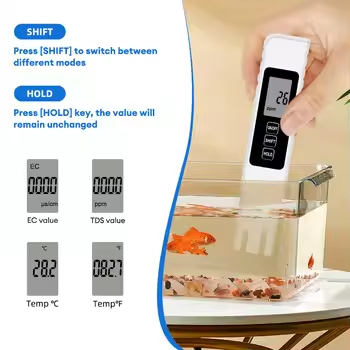
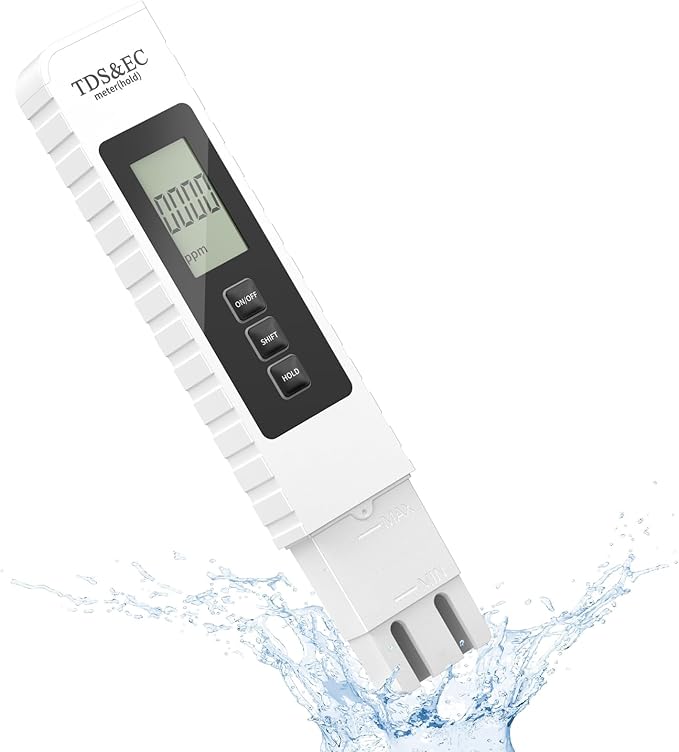
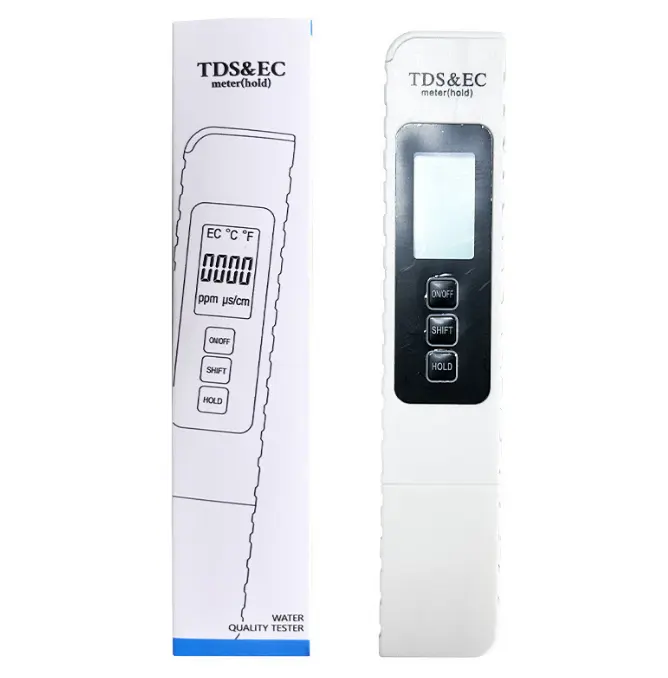
ph and ec meter for water
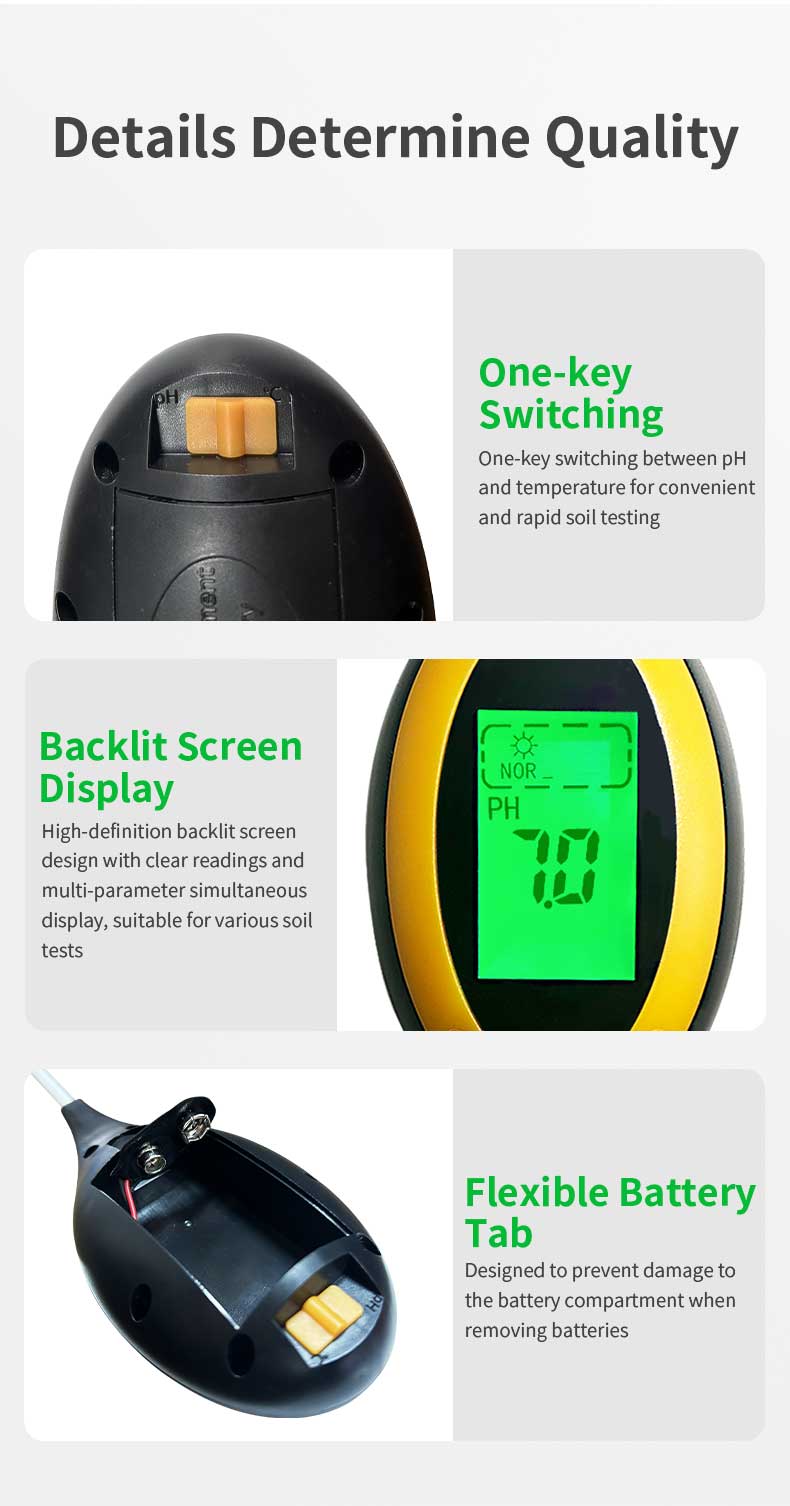
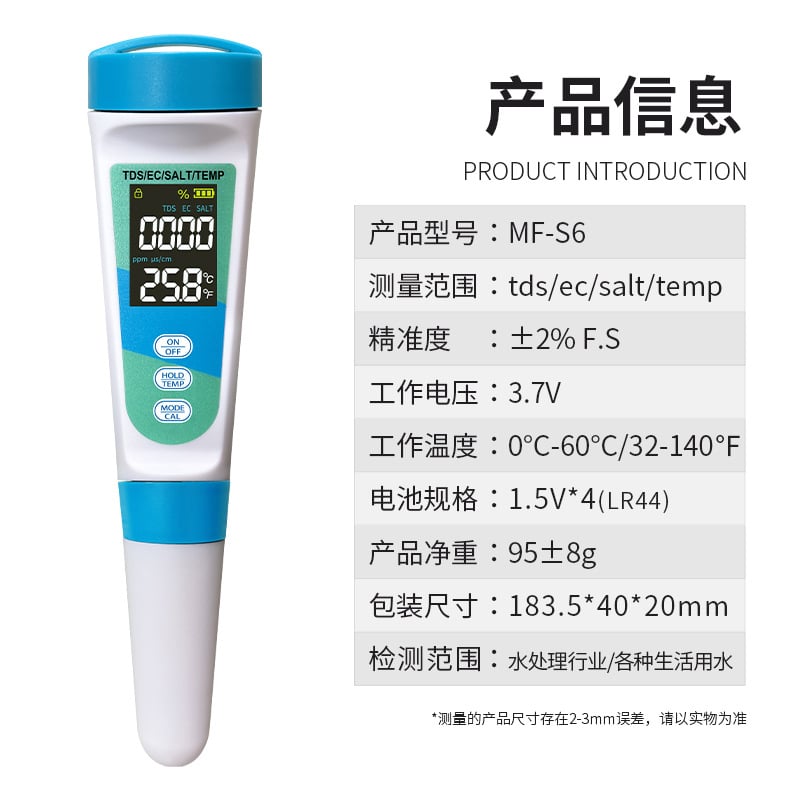
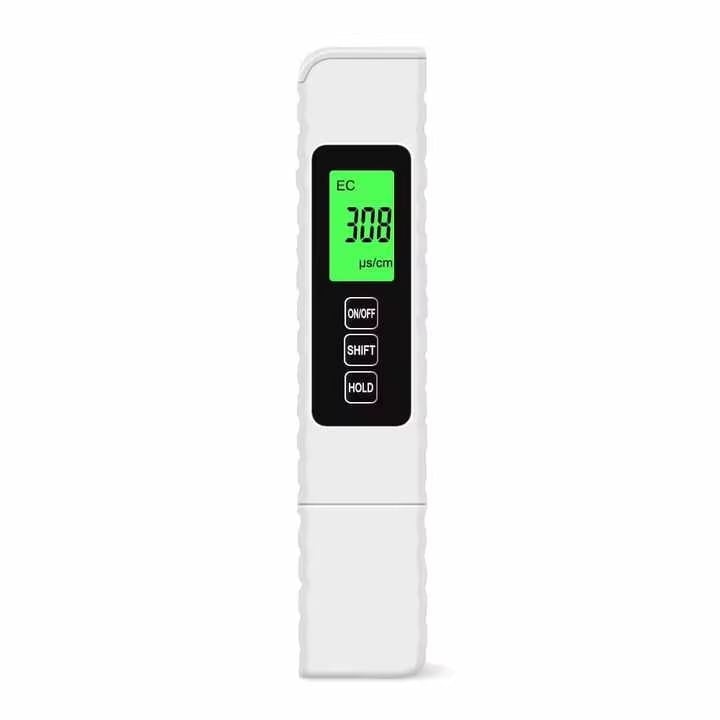
A pH and EC meter for water is an essential testing instrument designed to measure two critical water quality parameters simultaneously. This device combines pH measurement capability with electrical conductivity analysis, making it an indispensable tool for water quality assessment across various industries. The pH and EC meter for water determines acidity or alkalinity levels while evaluating the concentration of dissolved salts and minerals in water samples.
The primary function of a pH and EC meter for water involves providing accurate readings that help users understand water composition and suitability for specific applications. pH measurement ranges typically span from 0 to 14, indicating whether water is acidic, neutral, or alkaline. Electrical conductivity measurement reflects the water's ability to conduct electricity, indicating total dissolved solids and ionic concentration.
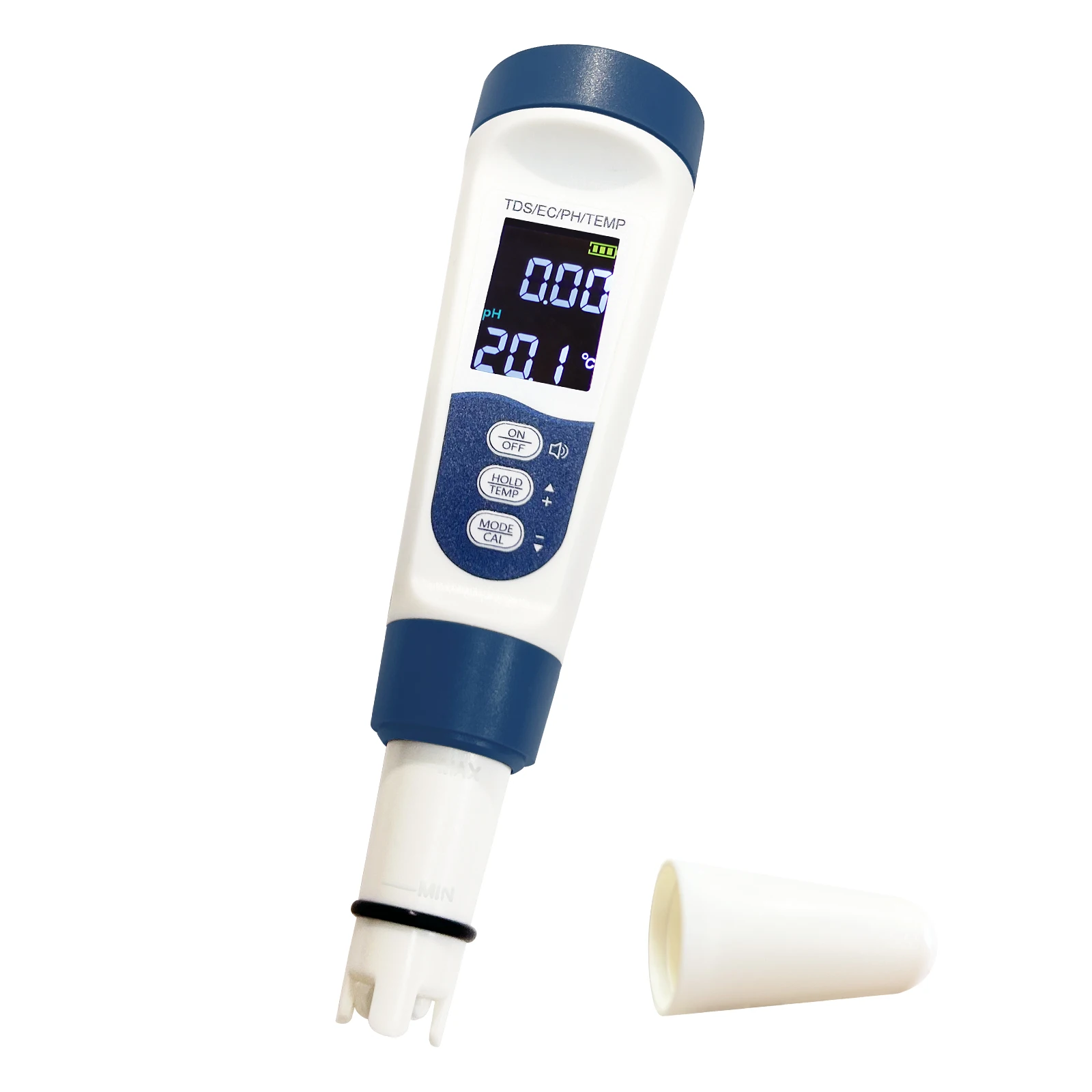
Technologically, modern pH and EC meters feature digital displays, automatic temperature compensation, and calibration systems that ensure precision. The pH and EC meter for water typically includes multiple sensors housed in a single probe, streamlining the measurement process. These devices employ advanced electrode technology and microprocessor-based systems to deliver reliable results within seconds.
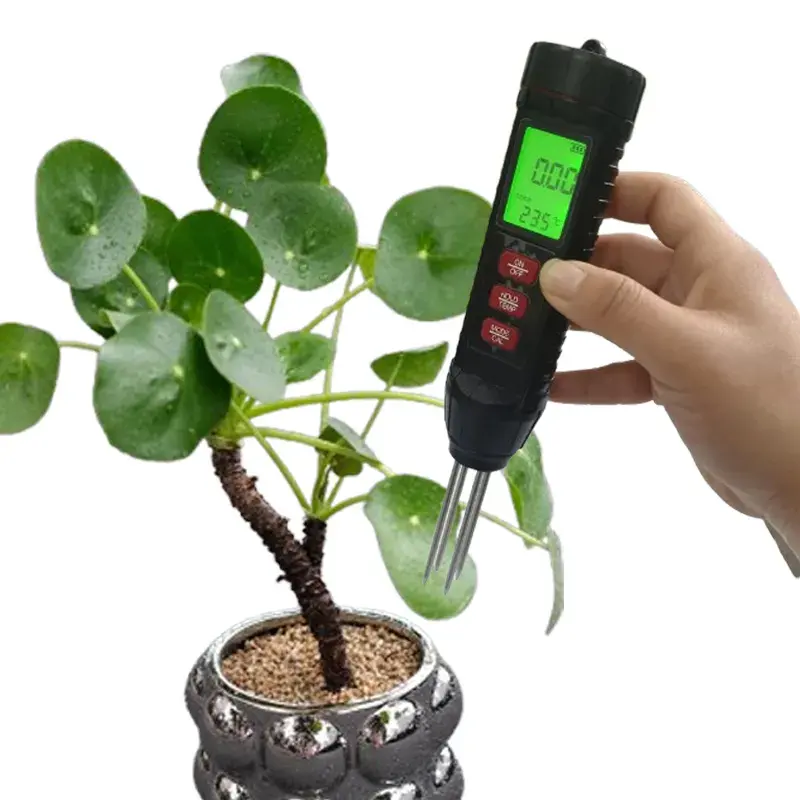
Applications for pH and EC meters span aquaculture, agriculture, laboratory testing, drinking water quality control, wastewater treatment, and hydroponics. Environmental scientists rely on pH and EC meter for water readings to monitor aquatic ecosystems. Food and beverage manufacturers use these instruments to maintain product quality and safety standards during production processes.
 EN
EN