soil detector
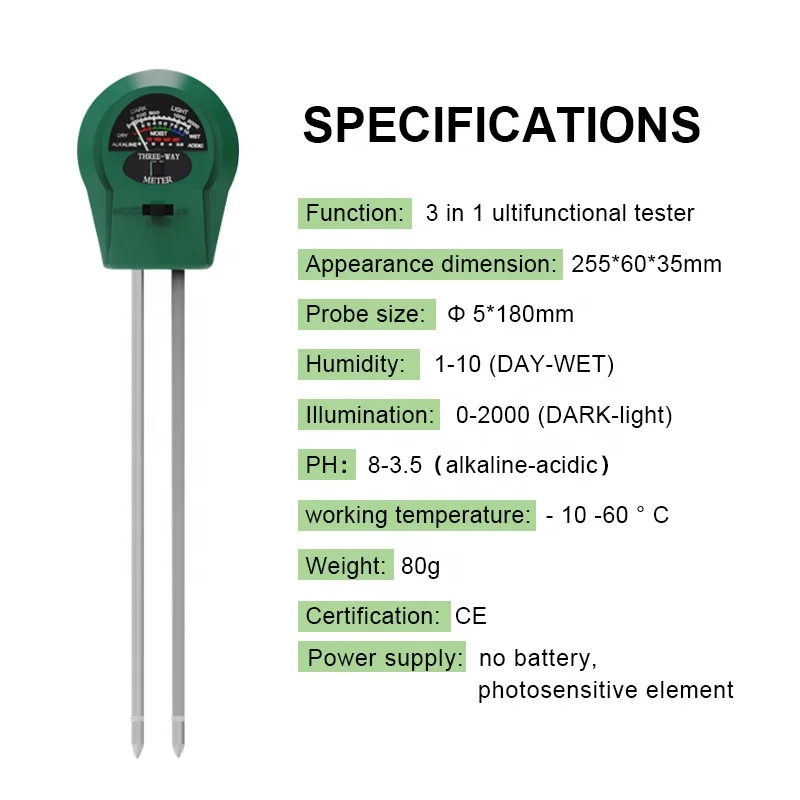
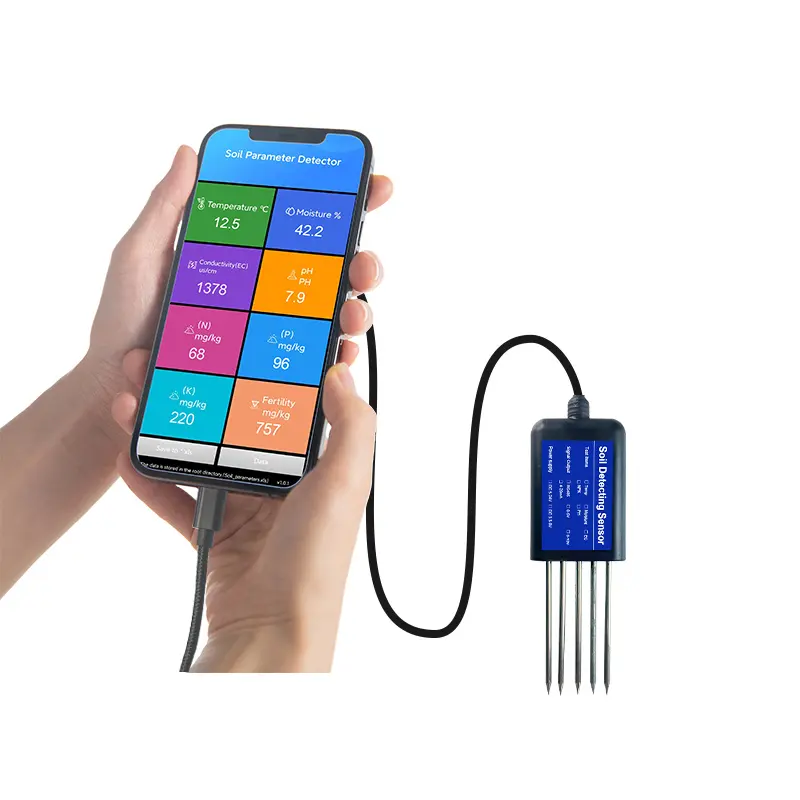
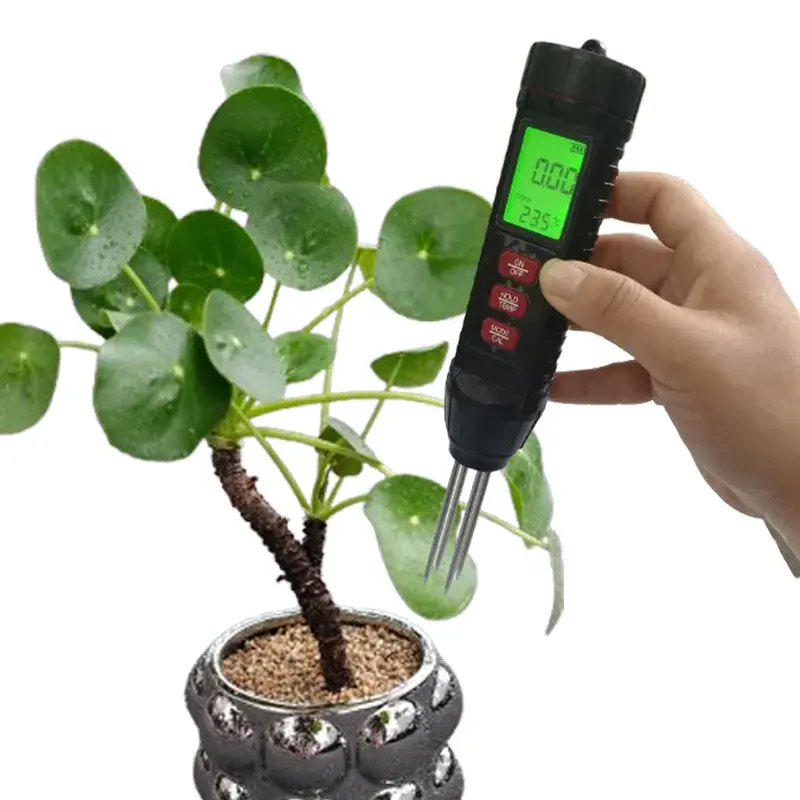
A soil detector is an advanced technological instrument designed to analyze and measure various soil properties with precision and accuracy. This essential tool helps professionals, farmers, and gardeners understand soil composition, moisture levels, pH balance, and nutrient content. The soil detector works by using multiple sensors to collect data from soil samples, providing real-time information that guides better decision-making for agricultural and landscaping projects.
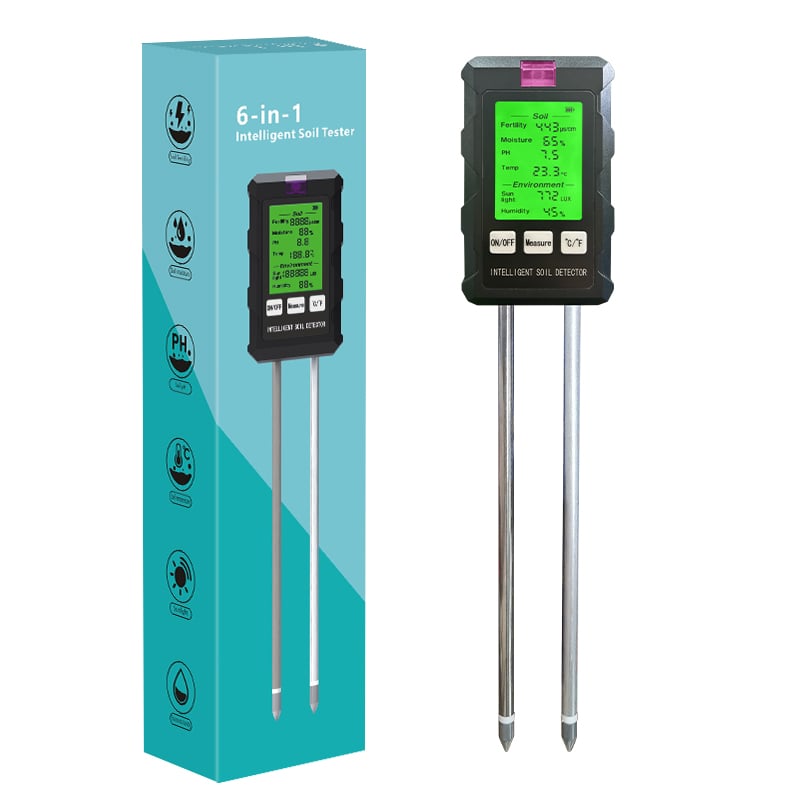
The primary function of a soil detector involves measuring critical soil parameters including moisture content, electrical conductivity, pH levels, and nutrient concentrations. By utilizing these measurements, users can determine soil health and fertility status. Modern soil detectors incorporate digital technology and wireless connectivity, allowing users to collect, store, and analyze data efficiently.
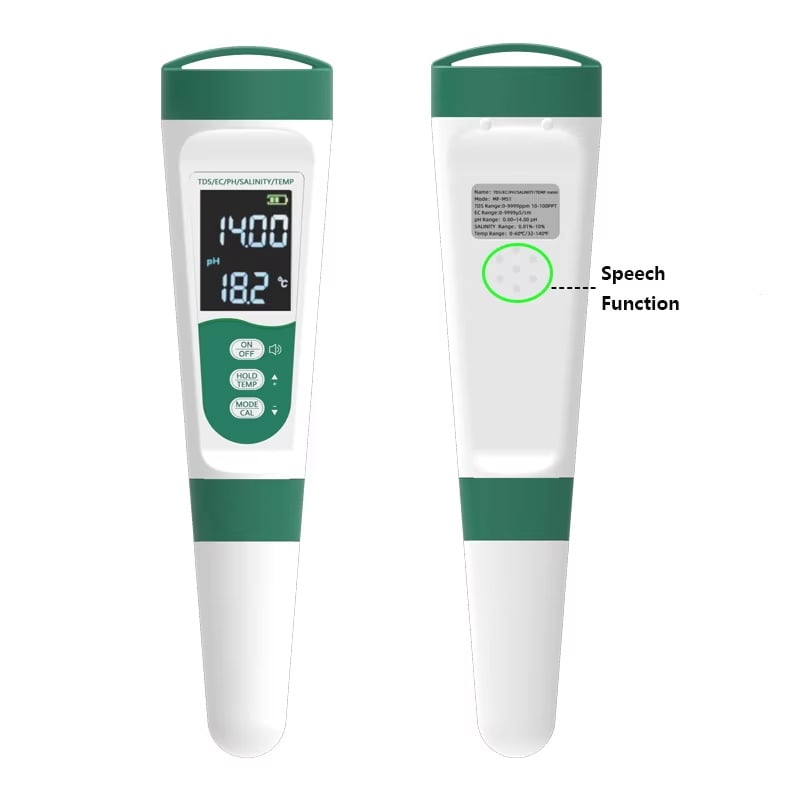
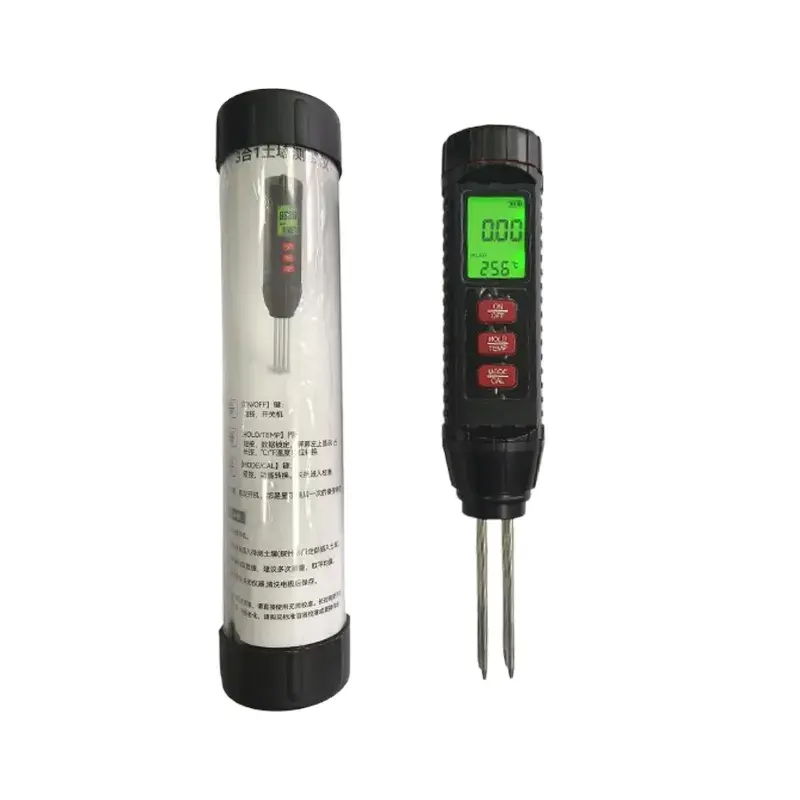
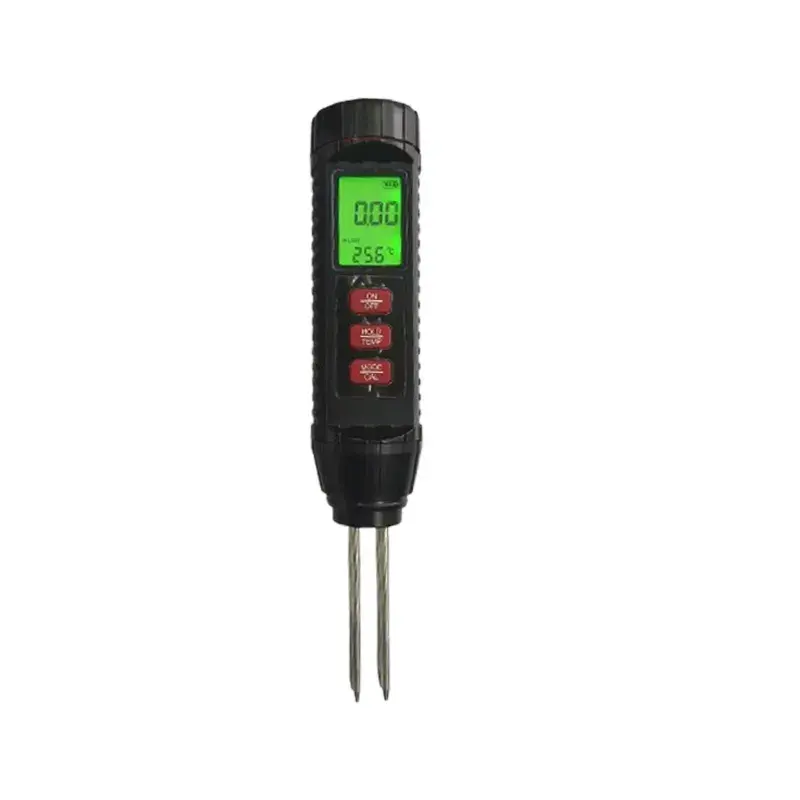
Technological features of a soil detector typically include multiple sensors, data logging capabilities, LCD displays, and smartphone connectivity. Advanced soil detector models offer cloud-based data storage, real-time alerts, and predictive analytics. These features enable users to monitor soil conditions continuously and make informed agricultural decisions.
Applications for a soil detector span numerous industries and purposes. Farmers use soil detectors to optimize crop yields by adjusting fertilizer and irrigation practices. Environmental specialists employ soil detectors for contamination assessment and remediation projects. Landscapers and garden enthusiasts rely on soil detectors to create optimal growing conditions. Research institutions utilize soil detectors for soil science studies and environmental monitoring programs.
 EN
EN