soil hygrometer
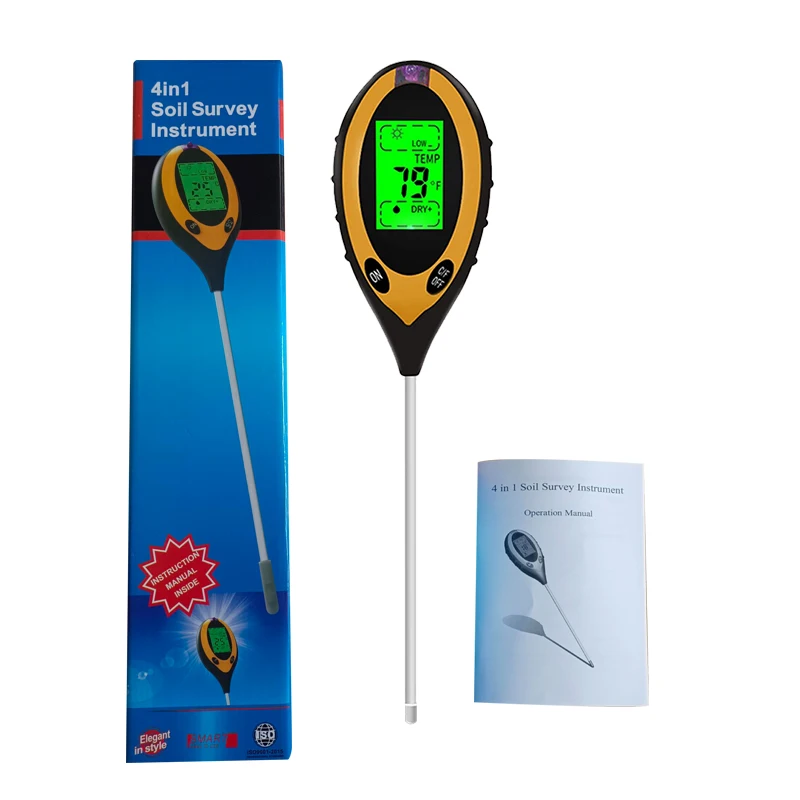
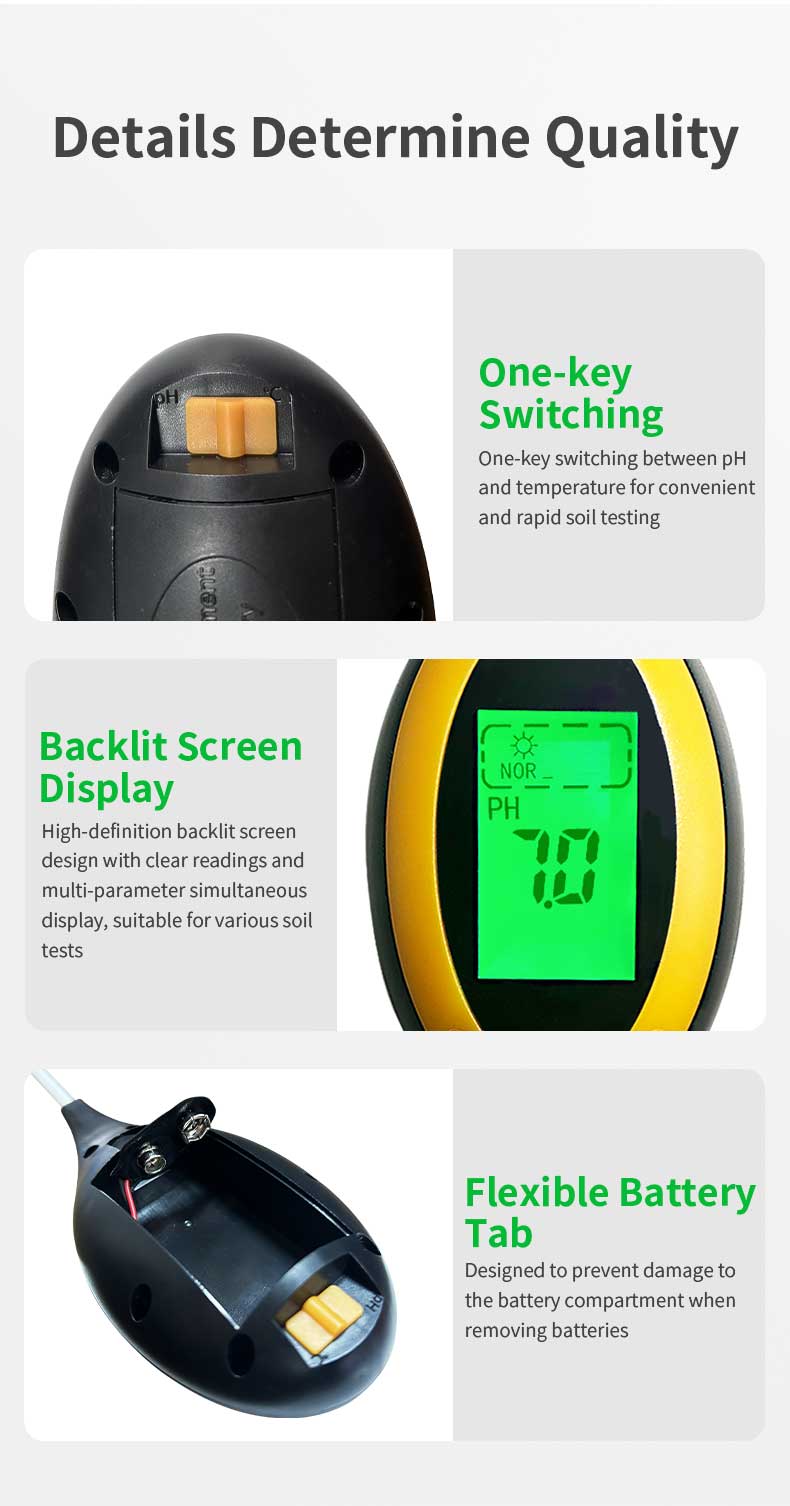
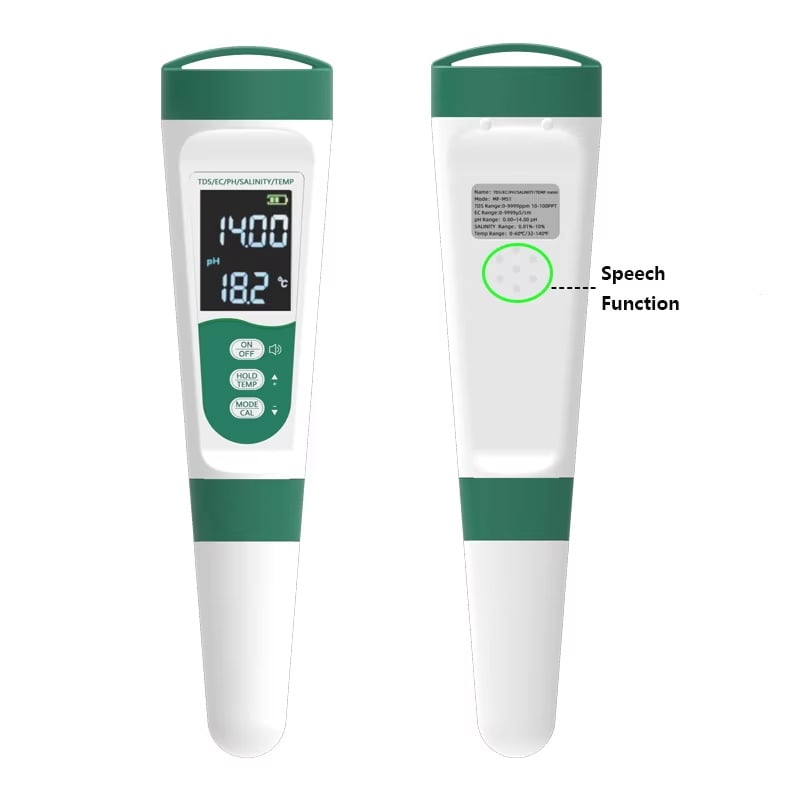
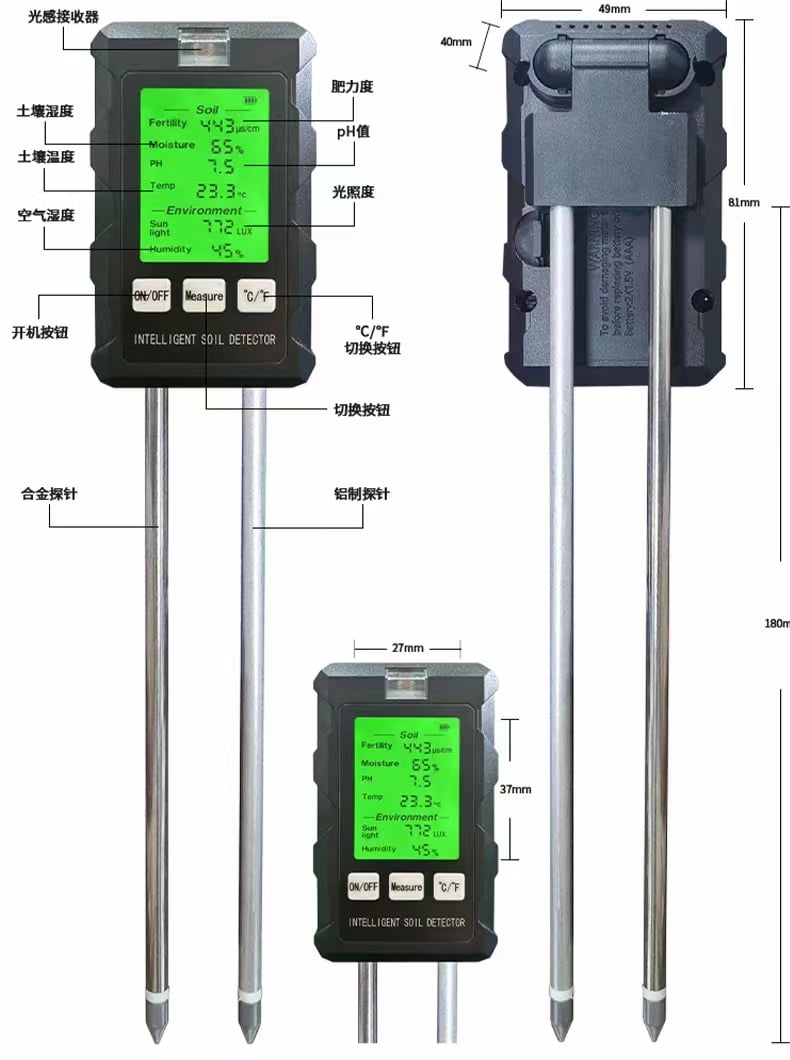
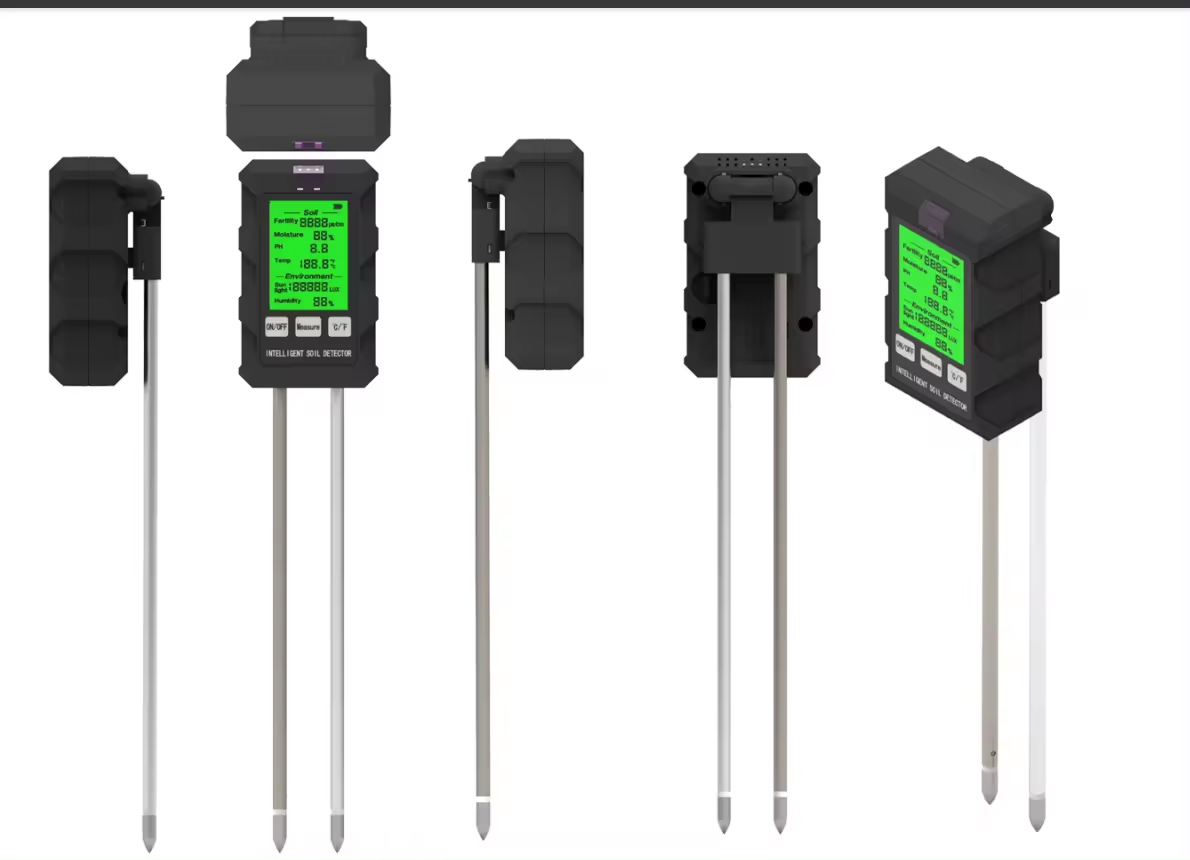
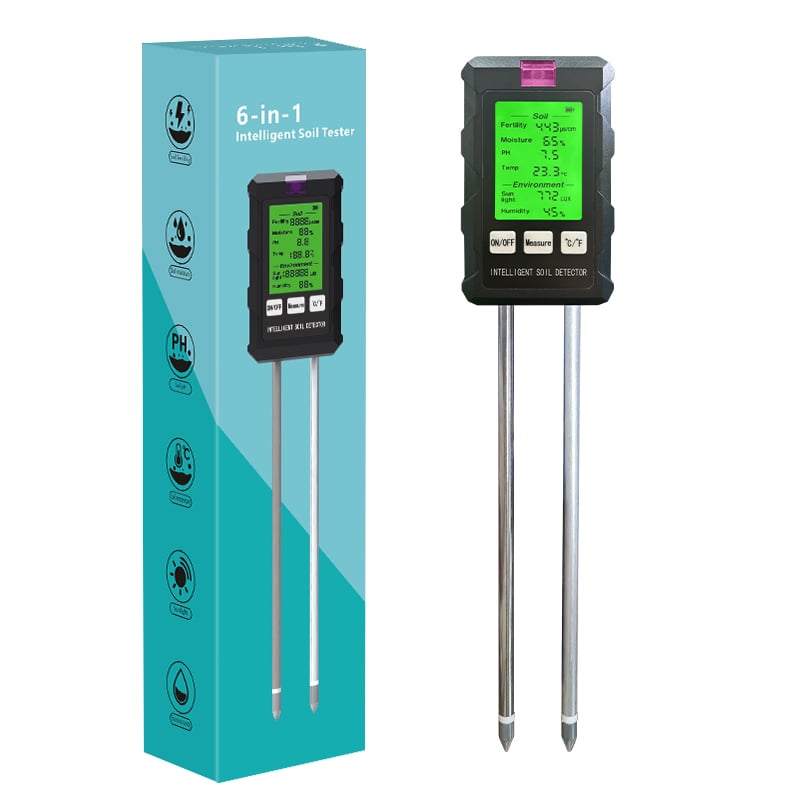
A soil hygrometer is an essential instrument designed to measure soil moisture levels with precision and reliability. This advanced device determines the amount of water present in soil, making it indispensable for agricultural, horticultural, and environmental applications. The soil hygrometer works by detecting moisture content through various technological methods, including capacitive sensors and resistance-based measurements that provide accurate readings in real time.
The primary function of a soil hygrometer is to help users understand soil water availability, which directly impacts plant growth and health. By using a soil hygrometer, farmers and gardeners can optimize irrigation schedules, reduce water waste, and maintain ideal growing conditions. Modern soil hygrometer designs integrate digital displays, wireless connectivity, and data logging capabilities that simplify monitoring across multiple locations.
Technologically, the soil hygrometer employs sophisticated sensor systems that respond to changes in soil moisture density. These sensors convert moisture data into readable measurements, typically displayed as percentages or numerical values. The soil hygrometer's durability comes from its corrosion-resistant materials and weather-sealed construction, ensuring long-term performance in challenging outdoor environments.
Applications for a soil hygrometer extend across residential gardening, commercial agriculture, turf management, landscape maintenance, and environmental research. Scientists and professionals rely on soil hygrometer readings to make informed decisions about resource allocation and crop management strategies. Whether monitoring potted plants indoors or vast fields outdoors, the soil hygrometer provides the critical moisture data needed for successful plant cultivation and environmental stewardship.
 EN
EN