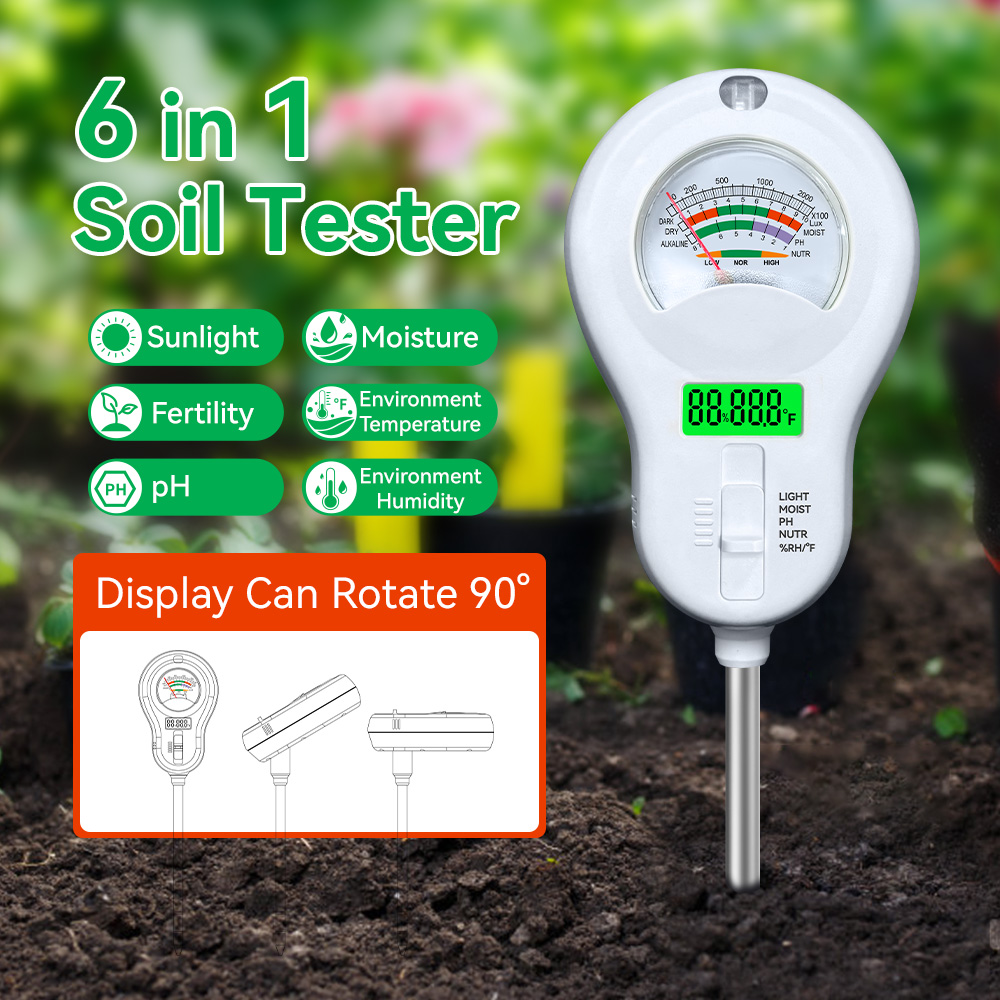
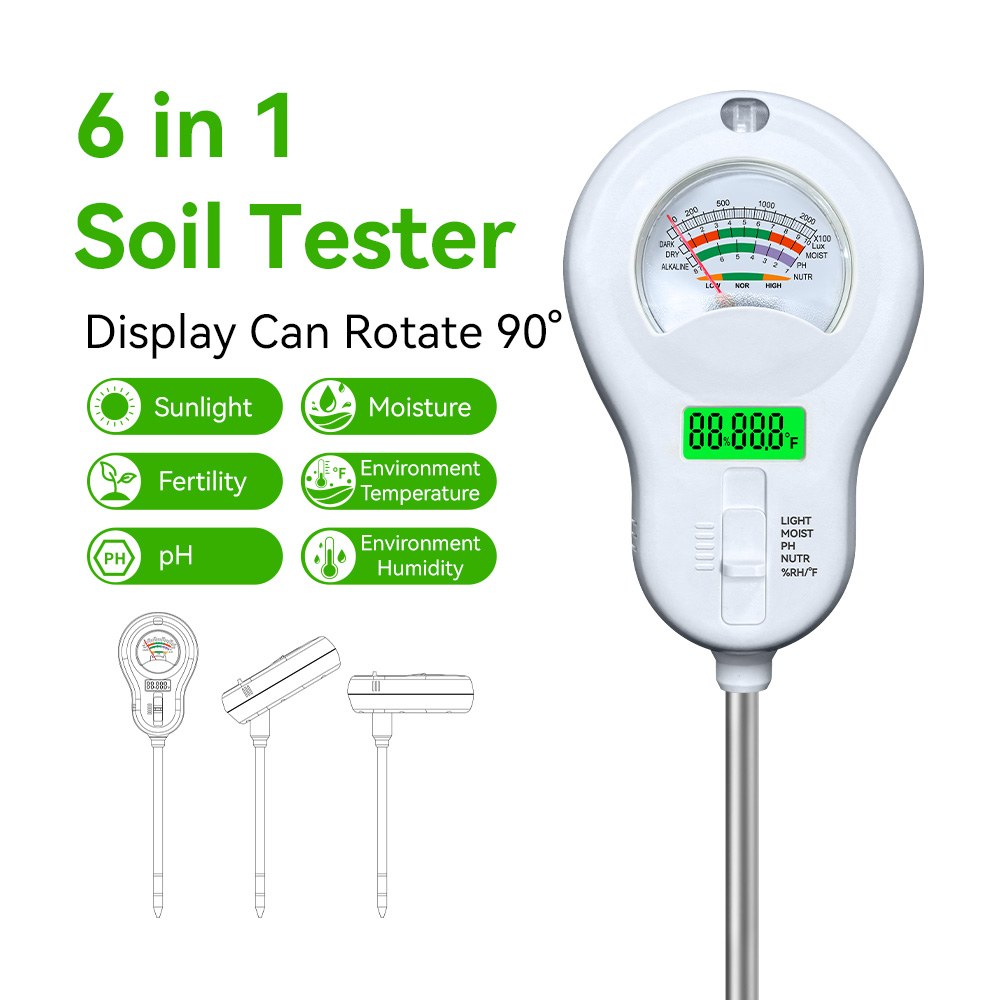
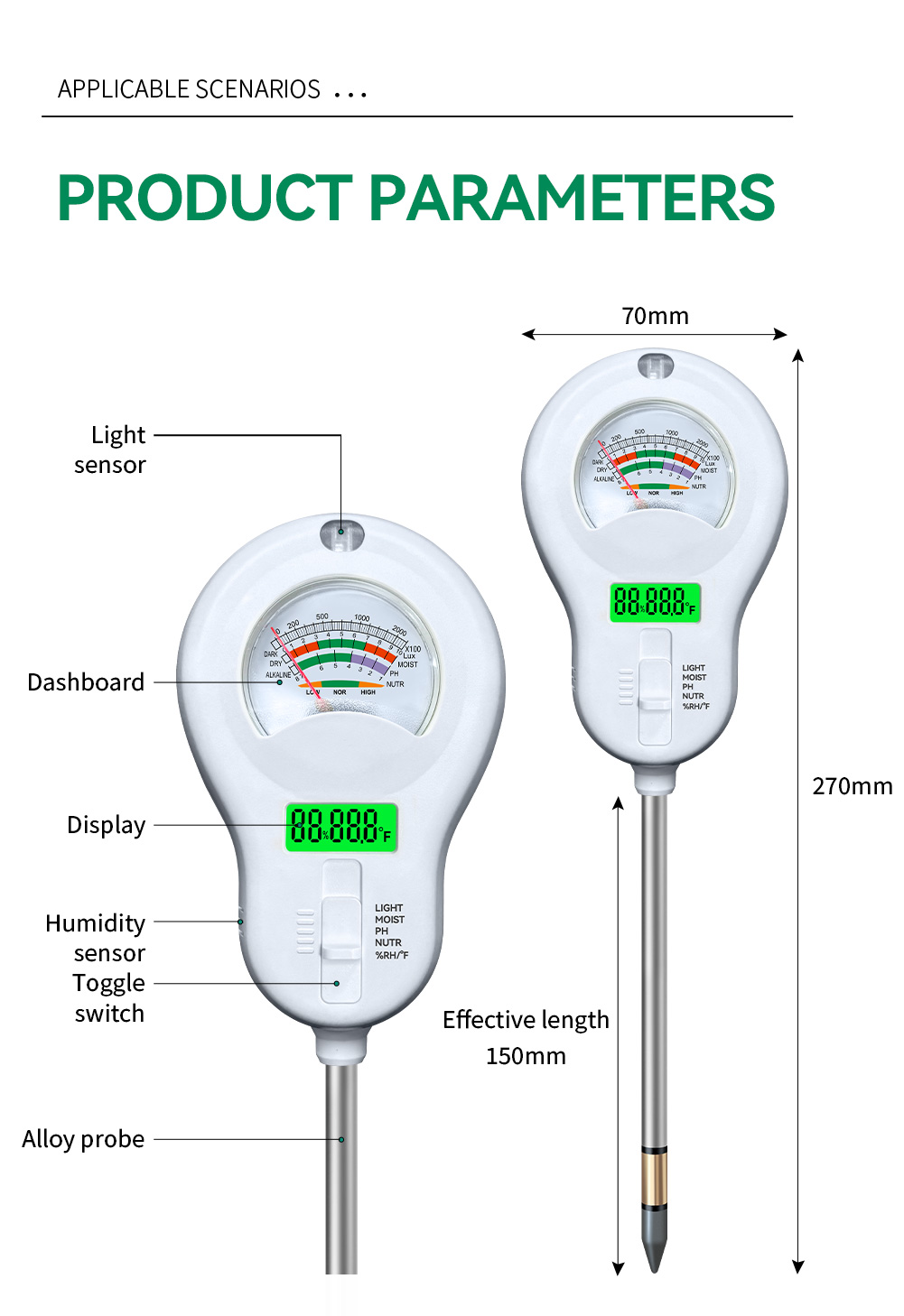
soil temperature gauge
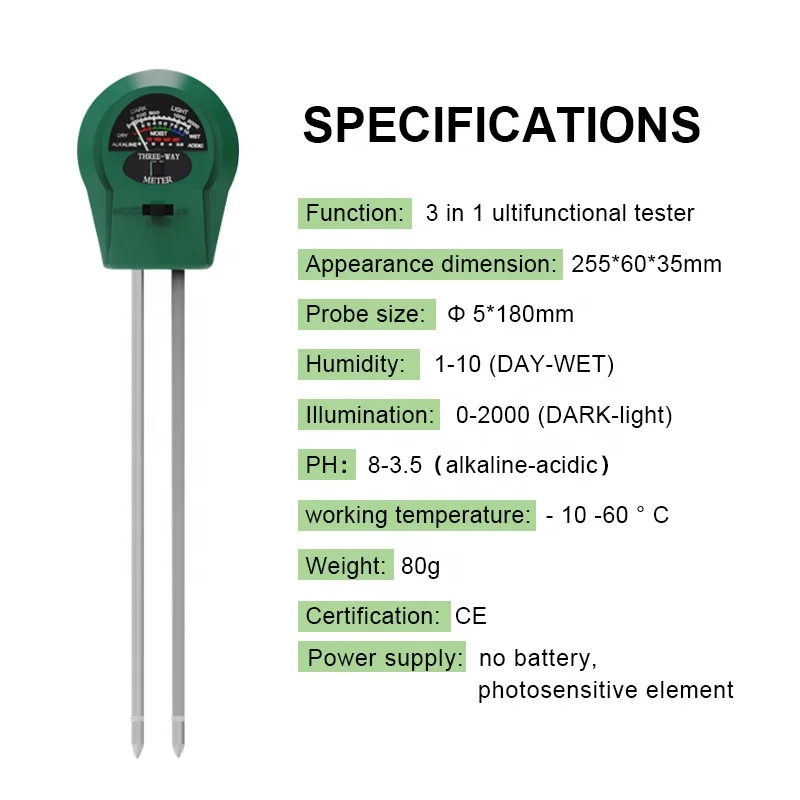
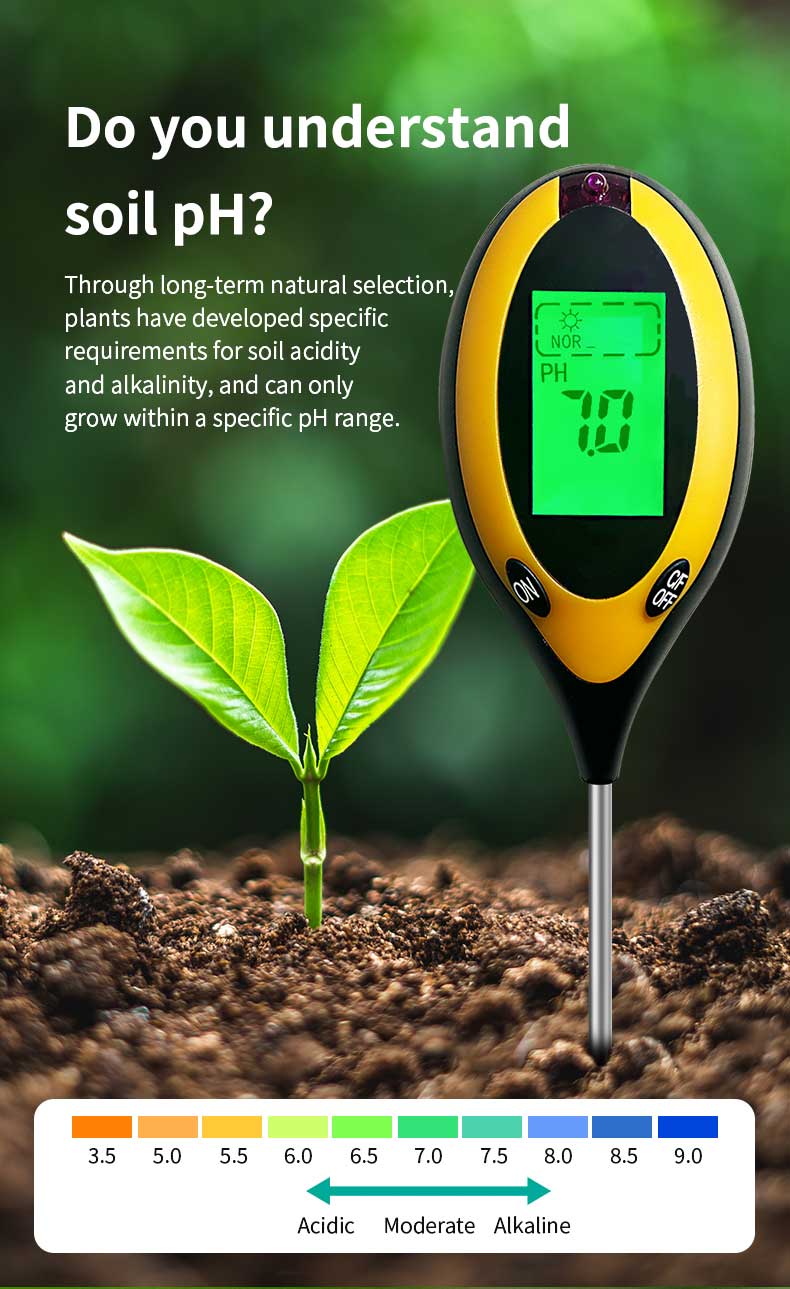
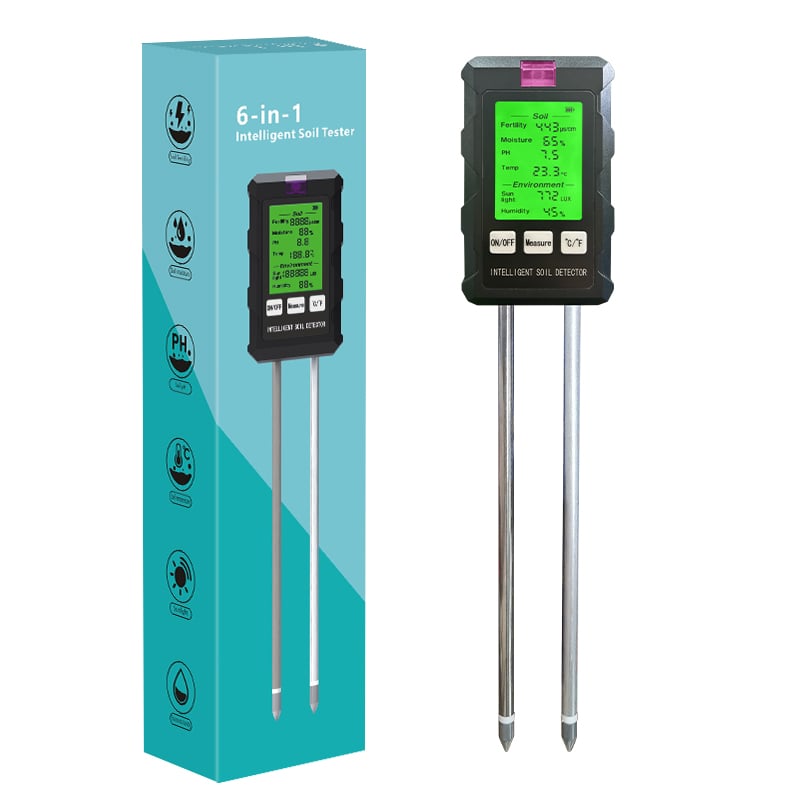
A soil temperature gauge is an essential instrument designed to measure and monitor soil temperature with precision and reliability. This specialized device helps farmers, gardeners, horticulturists, and agricultural professionals track thermal conditions beneath the soil surface, which directly influences crop growth, seed germination, and nutrient availability. The soil temperature gauge functions by inserting a probe into the earth at various depths, providing accurate readings that inform critical farming decisions.
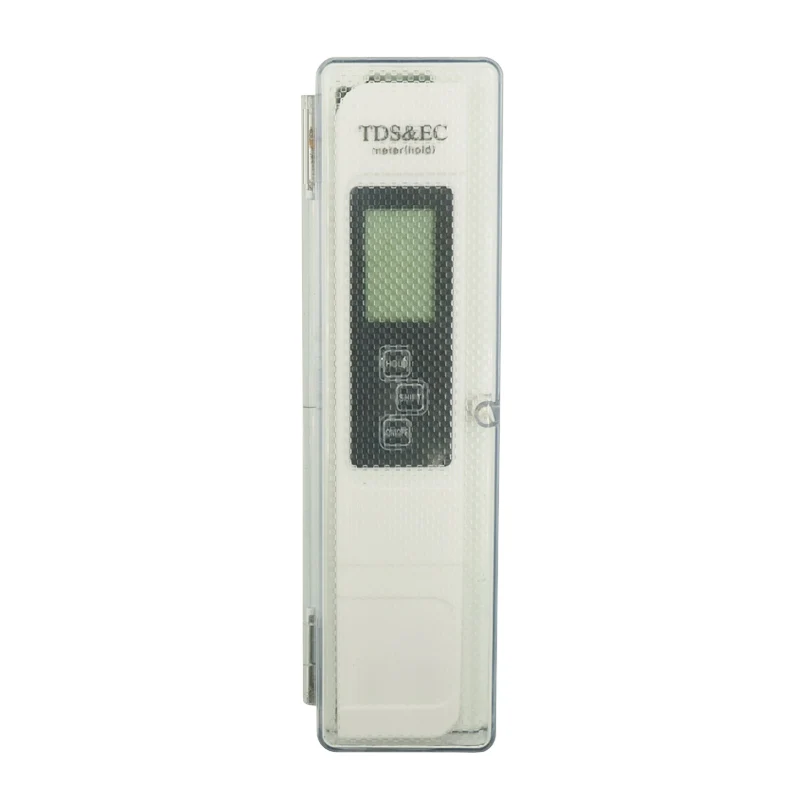
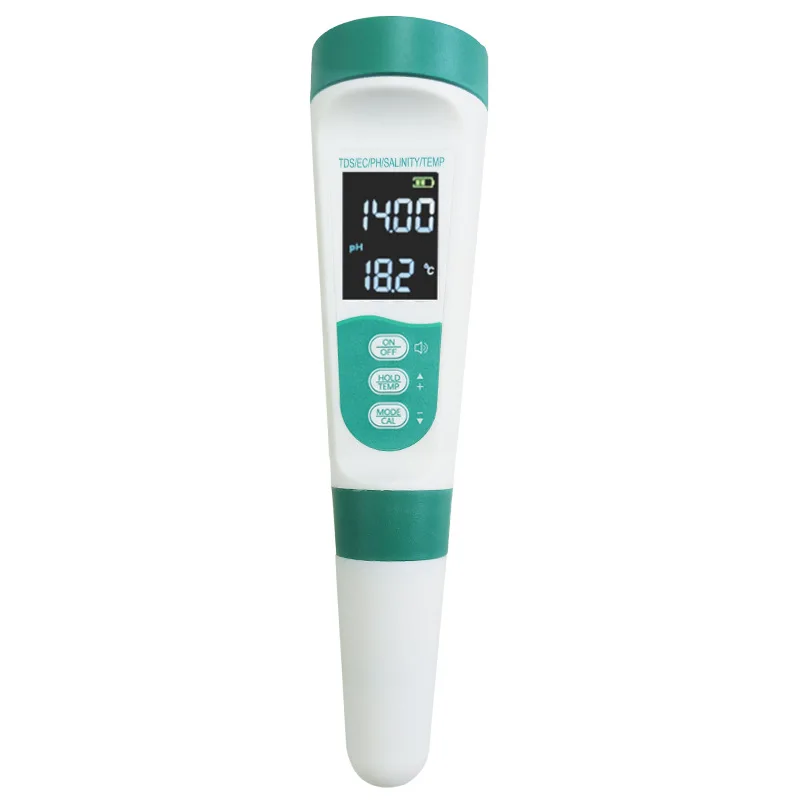
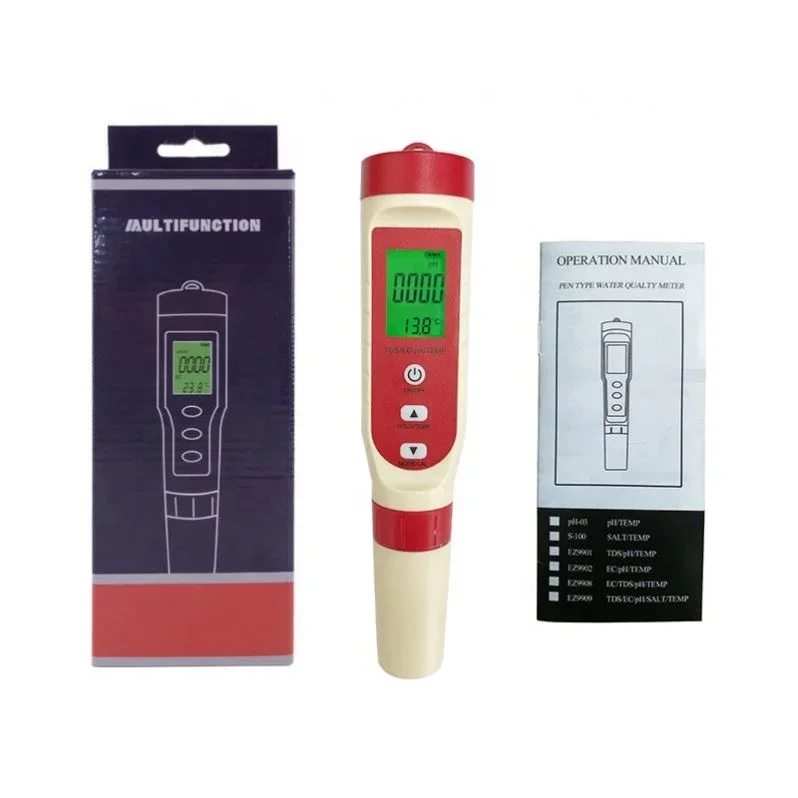
Modern soil temperature gauge technology incorporates digital displays, analog dials, or smartphone connectivity for convenient data collection. These instruments utilize thermistor or thermocouple sensors that detect minute temperature variations, converting them into readable measurements. The soil temperature gauge typically features a long probe shaft that penetrates soil layers, allowing users to assess temperature gradients from shallow surface areas to deeper root zones.
Applications for the soil temperature gauge span multiple sectors. In agriculture, it guides optimal planting times by ensuring soil reaches appropriate temperatures for specific crops. Gardeners use the soil temperature gauge to determine when seeds will germinate successfully. Landscapers employ this tool to time grass installations and plant establishment projects. Environmental scientists utilize the soil temperature gauge for climate monitoring and research purposes. Construction professionals reference soil temperature gauge readings when planning foundation work and soil preparation tasks. Whether you're managing a small vegetable garden or overseeing large-scale agricultural operations, the soil temperature gauge provides invaluable data for success.
 EN
EN